

A few weeks ago, after a lot of talk and consideration, I finally picked up a hardshell rooftent. I collected it on Saturday the 23rd of May from Roof Tent Adventures in Cappoquin, County Waterford. I’d first called in to see their stock back in March, and ever since then I’d been thinking about it in the background, letting it settle in my mind until it felt like the right time. After much debate, I chose a hardshell model, mainly for one reason: simplicity.
After a long day, the last thing I wanted was something that felt like a job before the night could begin. I wanted something quick, something quiet, something that would let the trip begin almost as soon as the vehicle stopped moving. I also liked the idea of seeing the tent in person before it was fitted. I’d heard enough stories of tents arriving missing parts, or arriving damaged, or arriving in a way that made getting help feel impossible. Maybe there were slightly cheaper options online, but supporting local felt like the better choice. It felt like the safer one too. And in the end, it was. The first time I opened it properly, after Sean gave me a quick demo while we were fitting it, I was surprised by how little time it took.
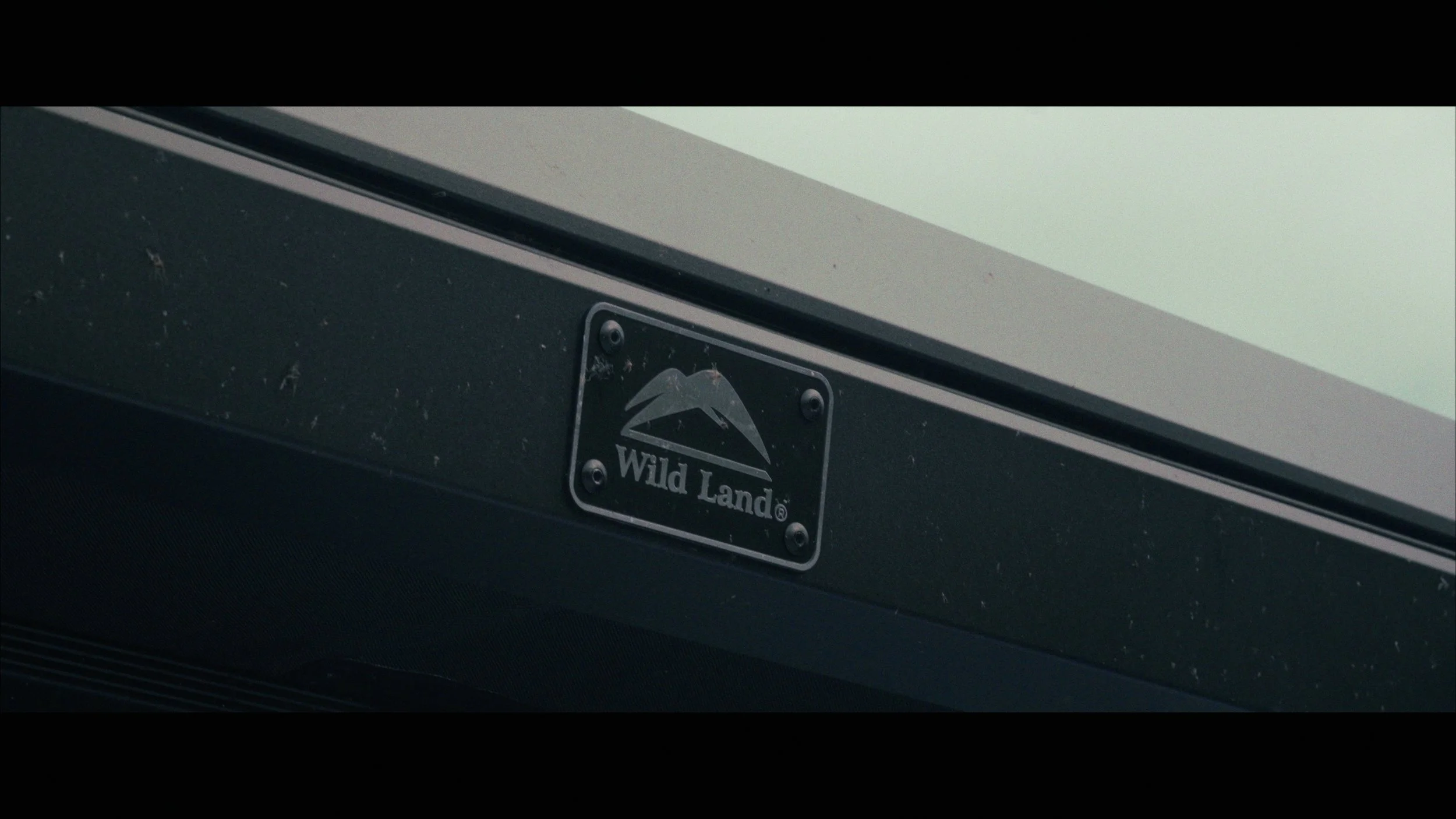
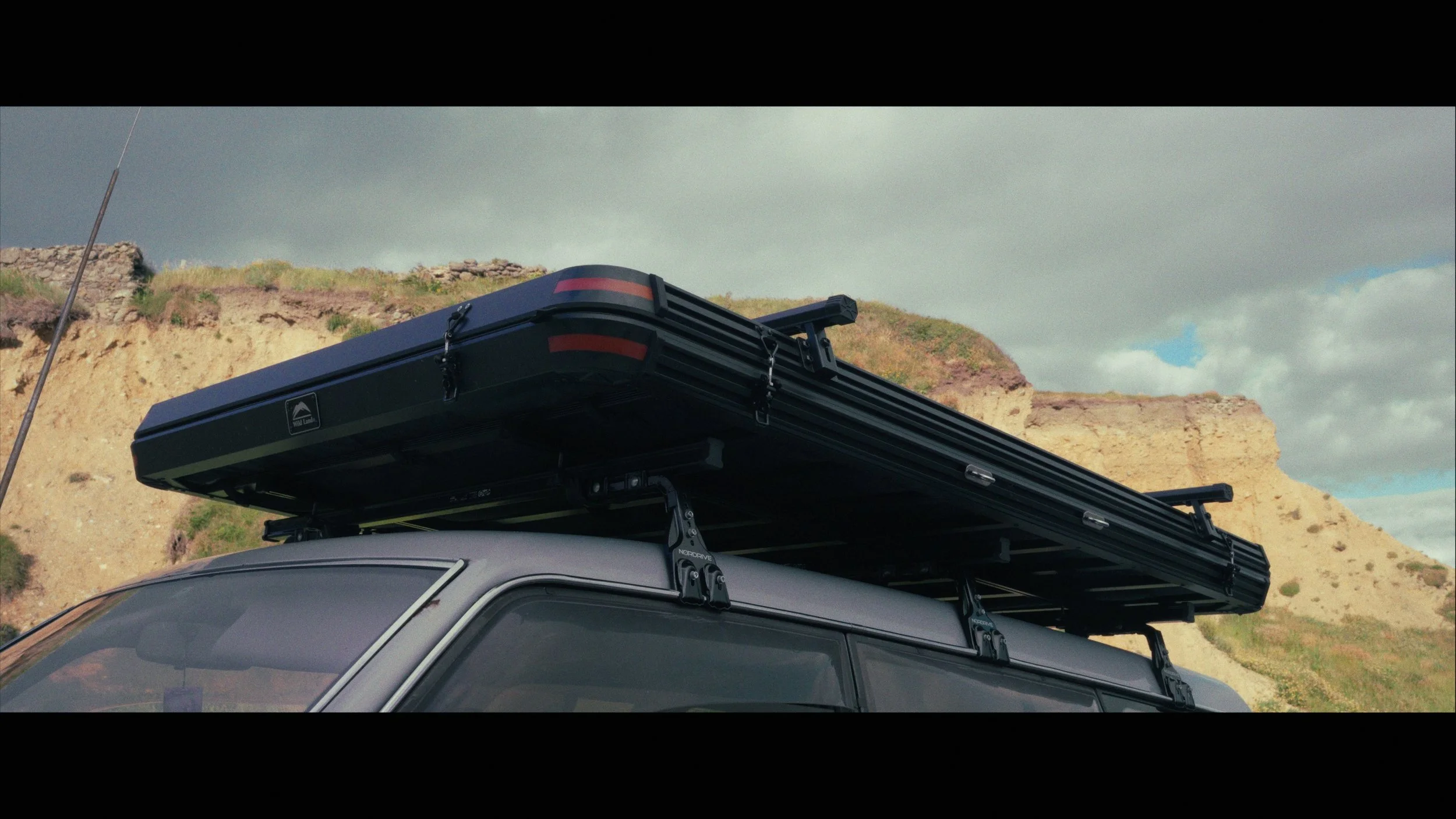
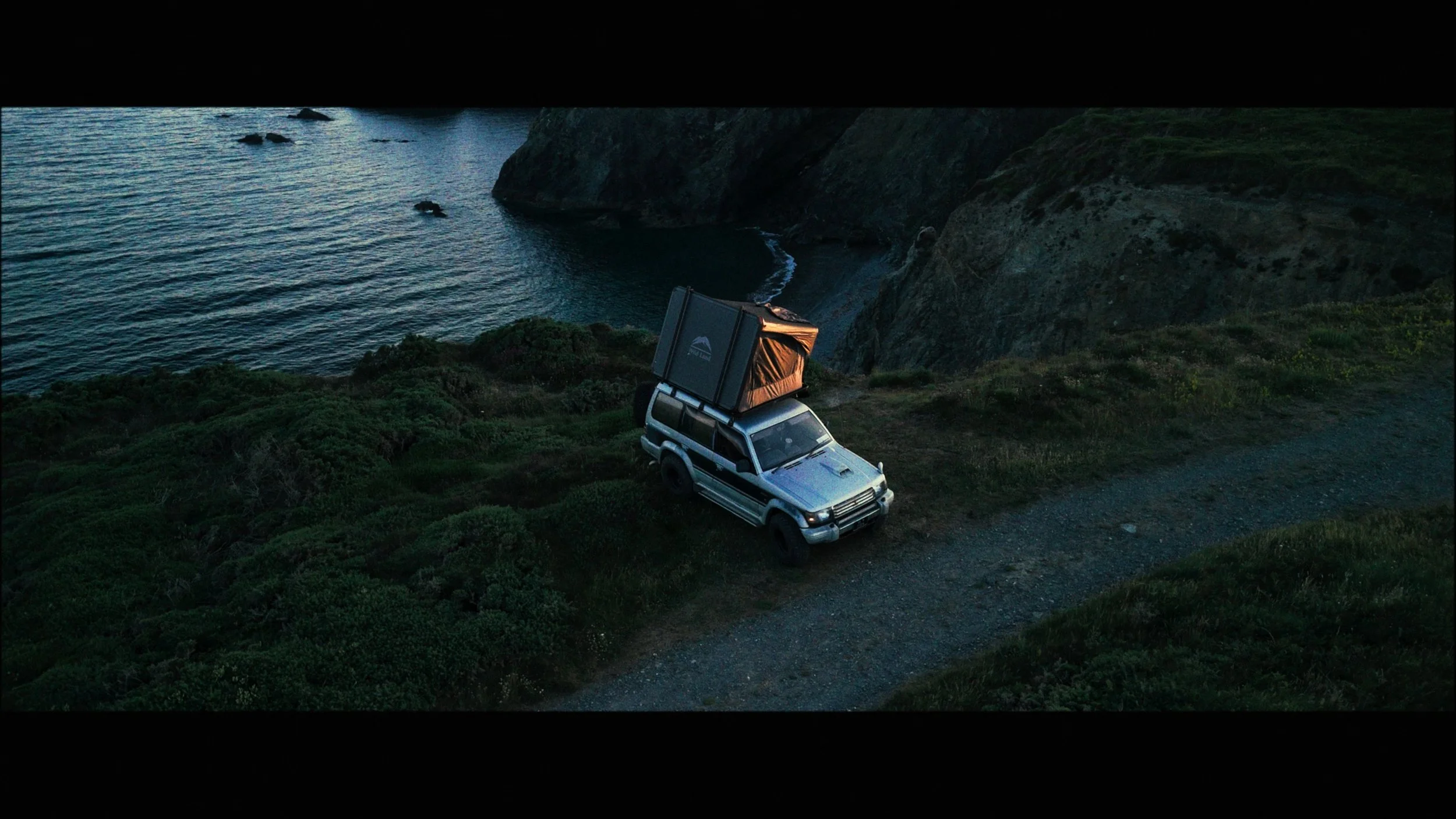
Less than five minutes. No frustration, no wrestling with covers, no faffing around in the evening light. Just unlatch it, lift it on the hydraulic rams, lock out the porch, and you're done. This particular model is the Wild Land Desert Cruiser 140 Pro. It’s a little different from the usual clamshell roof tents, because instead of giving you a narrow wedge-shaped space, it opens into something much more generous. It feels less like a sleeping pod and more like a small room raised above the world. There’s a large front opening, oversized side windows, good airflow, and a view that becomes part of the experience the moment you wake up somewhere worth waking up in.
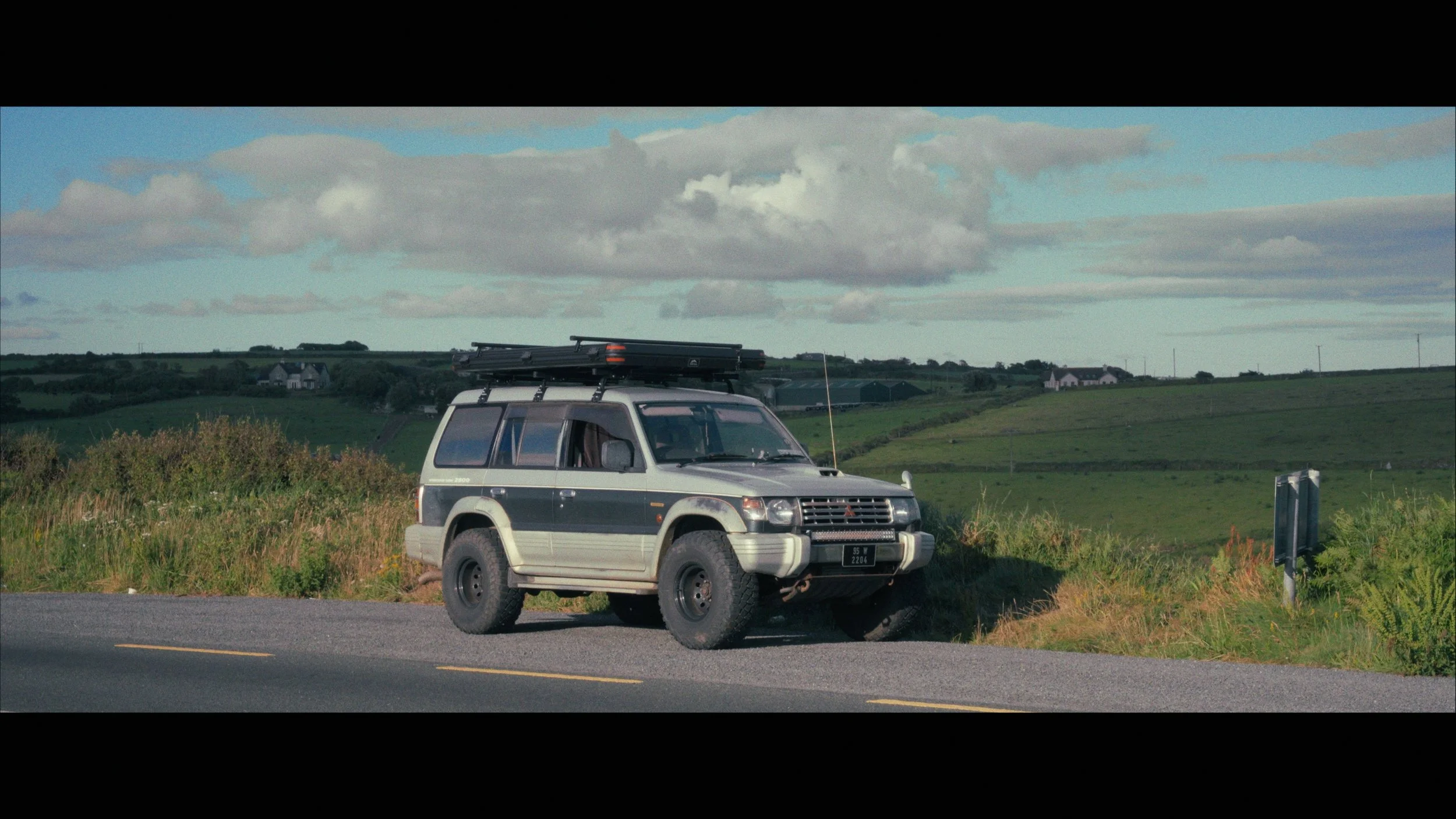
Inside, there’s an LED strip built in accompanied by a 70mm mattress. It’s not the sort of mattress you'd tolerate for a night — it’s the sort you could actually live with for a few days. The shell itself is made from honeycomb aluminium, so it feels solid without being heavy. It also comes with two detachable aluminium roof bars, which means you can still carry gear on top of it if you need to. All of that now sits on the roof of my 1995 4M40-powered Pajero, which is handling the extra weight well enough, even if I do find myself occasionally thinking about the laws of physics a little more than I used to.
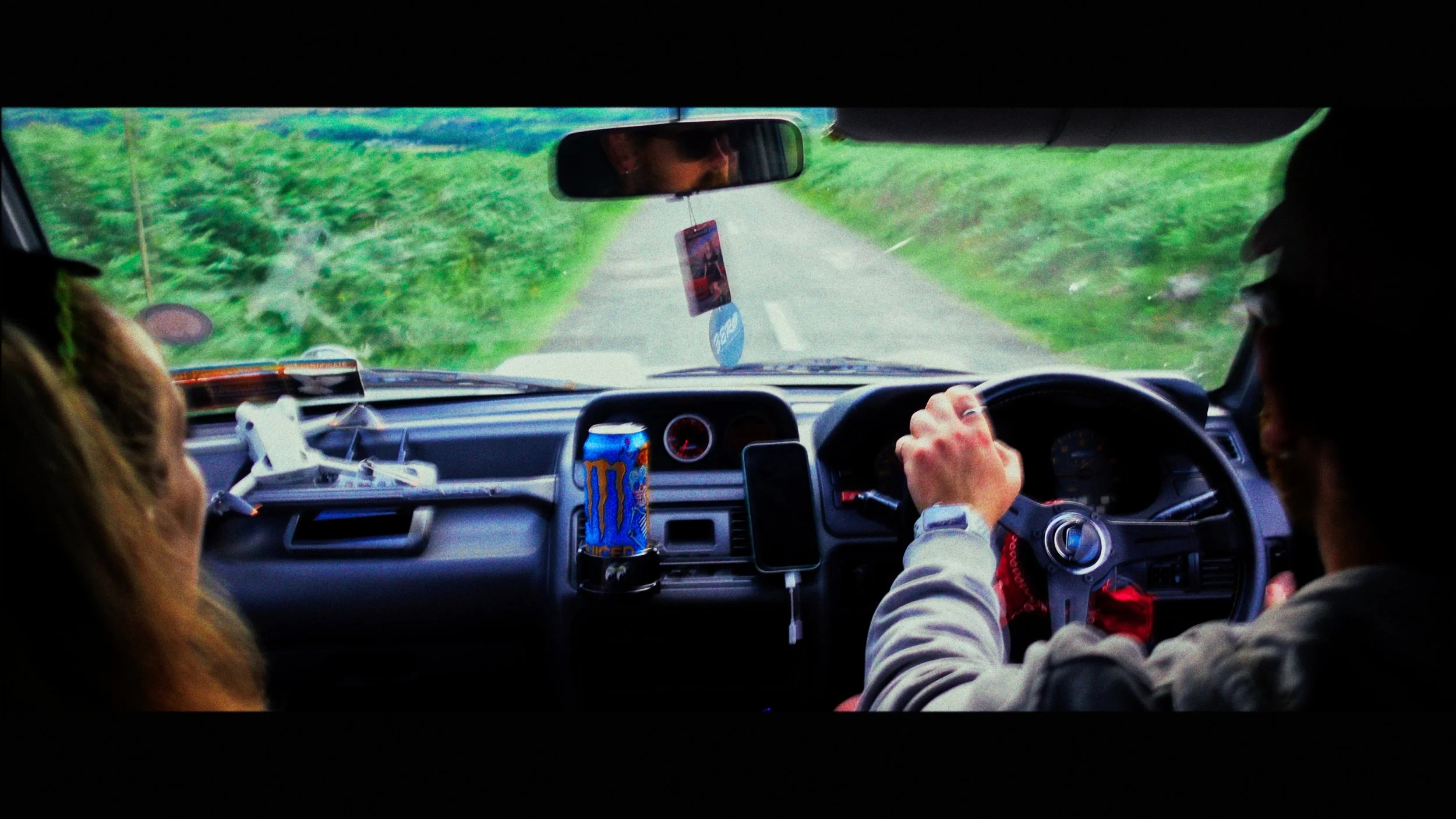
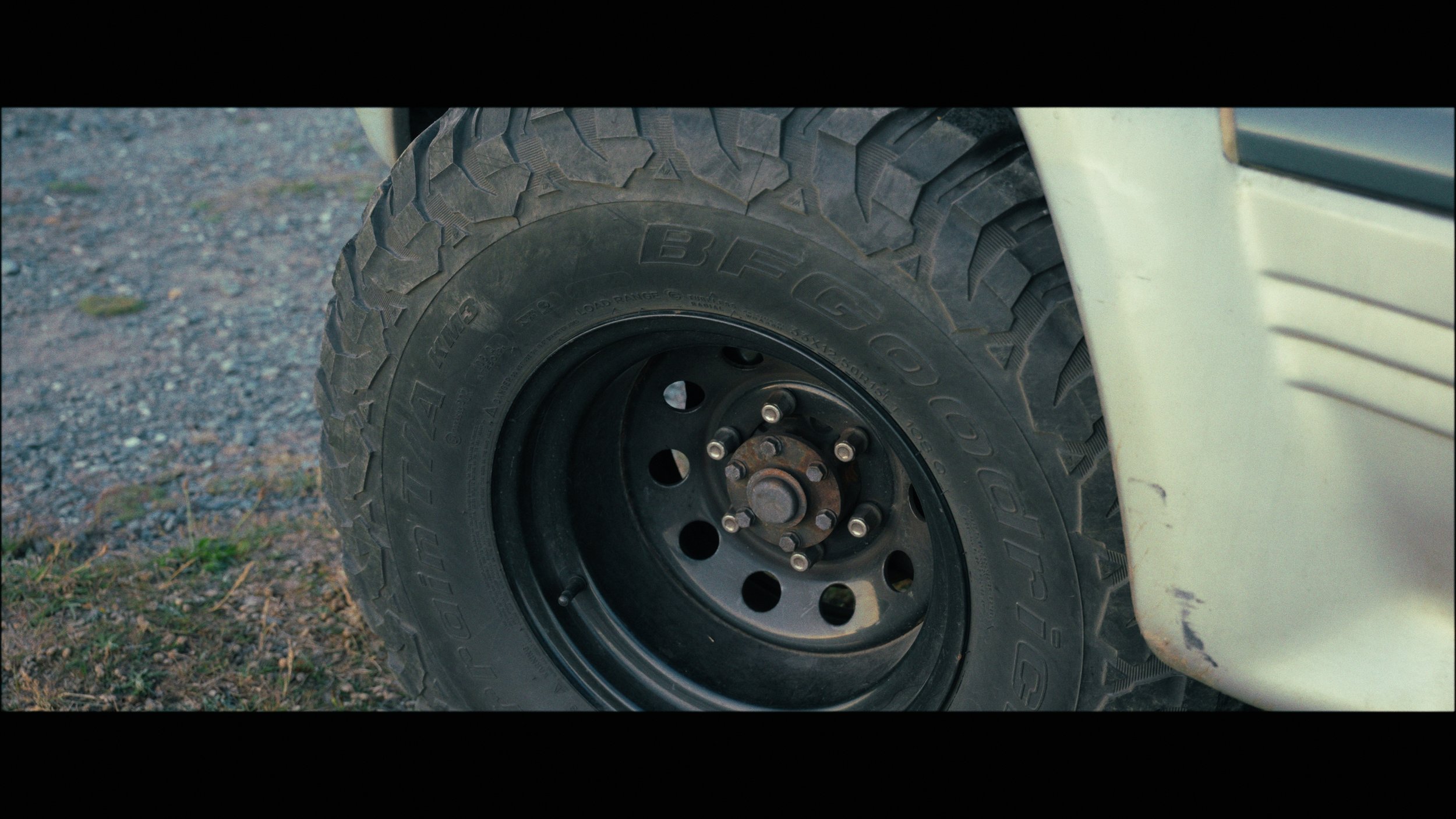
The first trip came around on the June bank holiday weekend, and I headed into the Wicklow Mountains on Friday evening. I’ve spent so much time there lately that I’m starting to feel like I should be paying rent. My first stop was Clonroche, where I met Sean in his Pajero. The wheels and tyres on mine used to be his, and that’s the kind of detail that seems to follow these vehicles around — passed from one story to the next, and carrying a little bit of their own history with them. After a quick catch-up and a fuel stop, we pointed both jeeps toward Glenmalure.
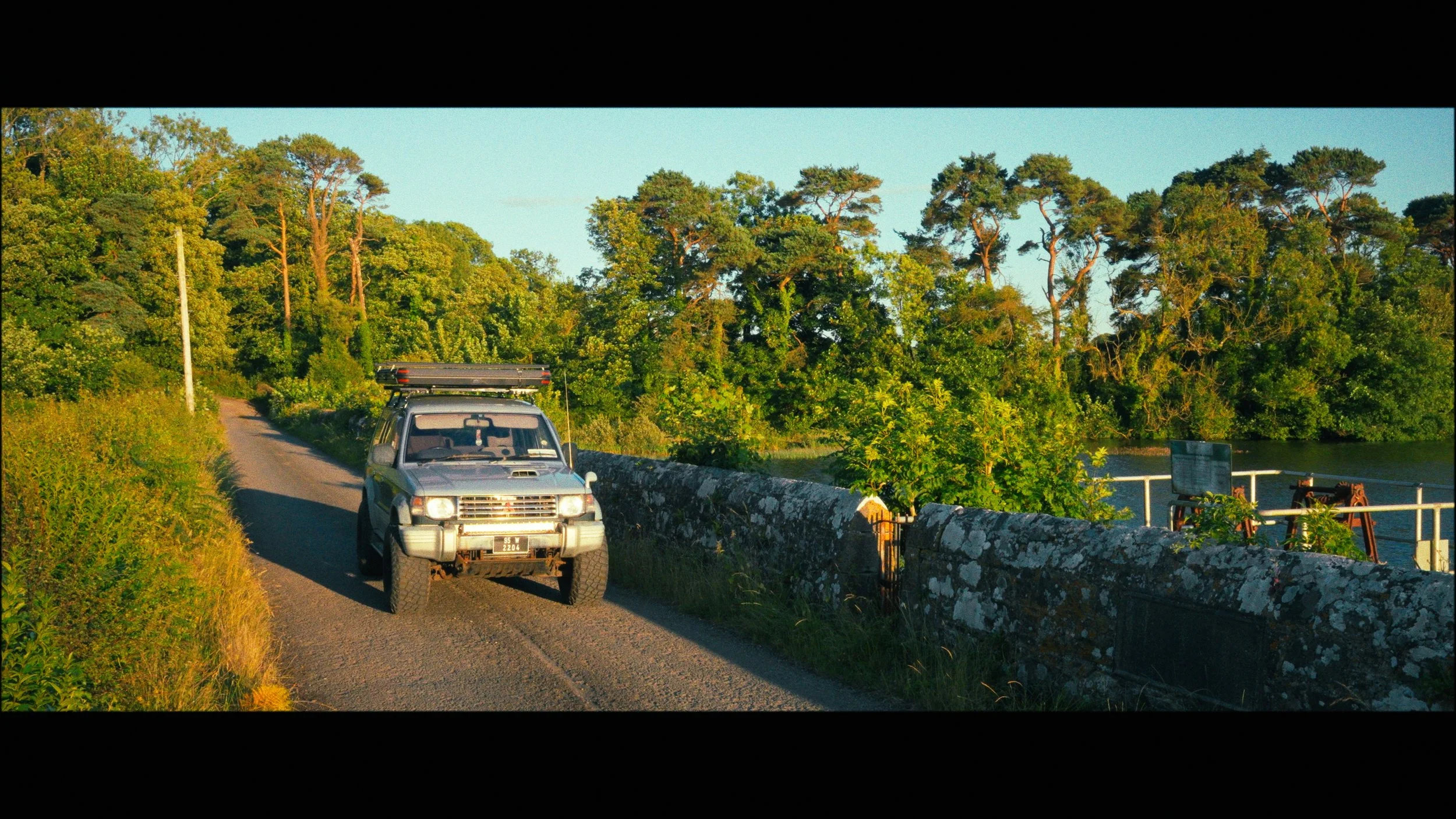
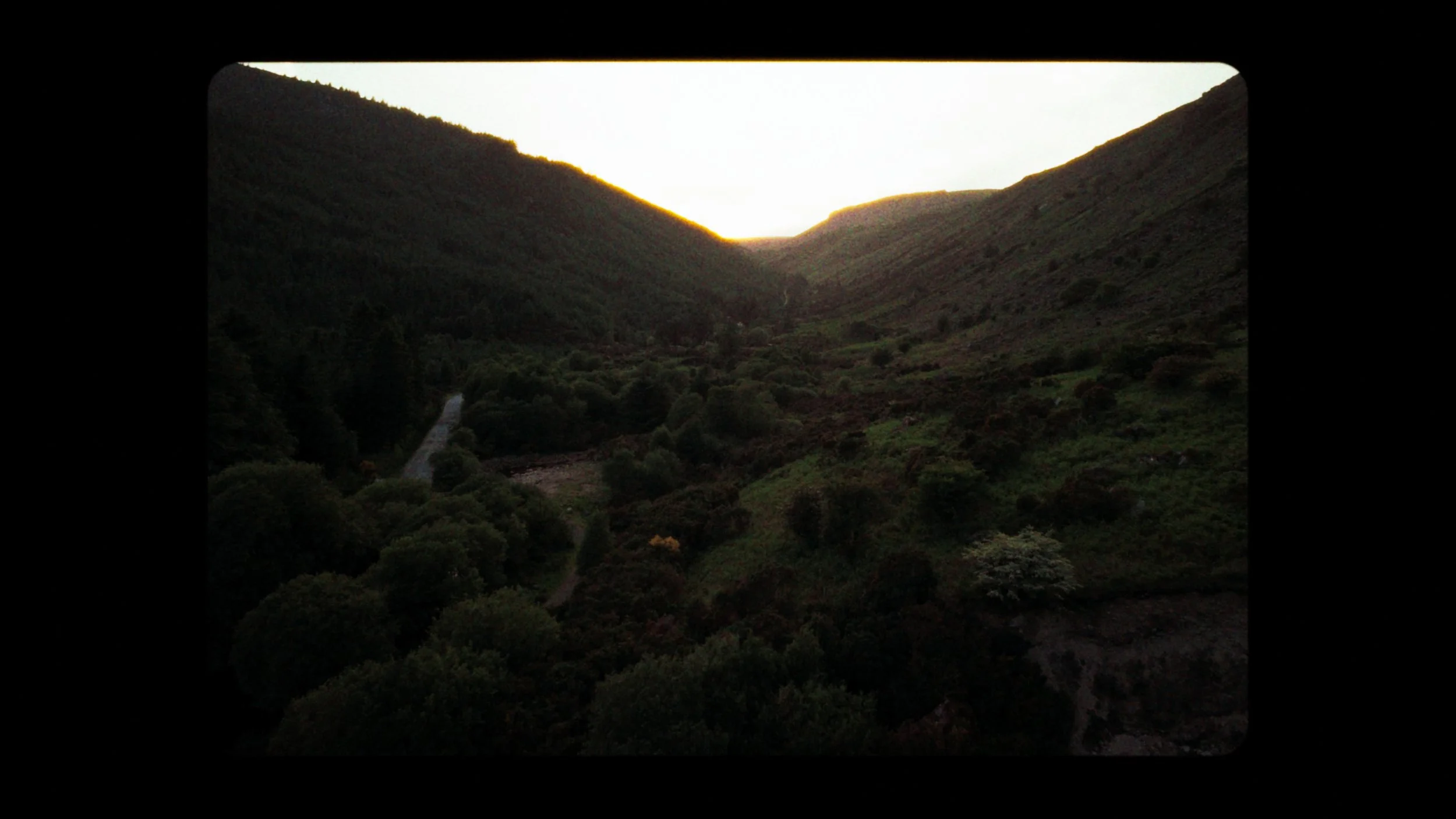
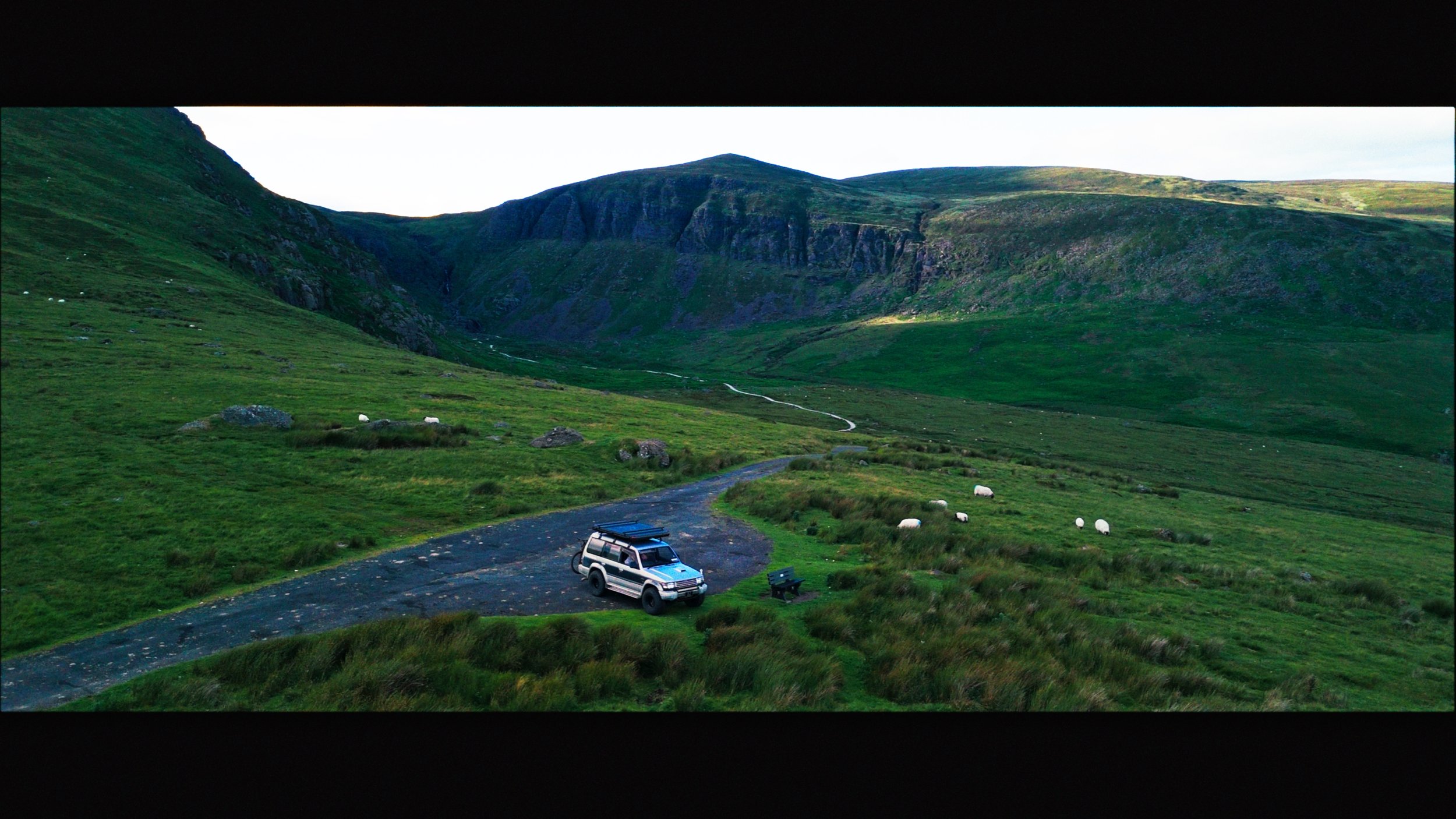
It’s a place that had been sitting in the back of my mind for a while. There are old remnants of a disused mine up there, and the whole area has a reputation for testing both a driver and a vehicle. We took the scenic route through Ferns, Carnew, and Aughrim, and it turned out to be exactly the right decision. The light was softening into golden hour, and everything looked calm in that way the countryside sometimes does when the day is beginning to let go. By the time we rolled into Glenmalure, the sun was lowering behind the hills as we dropped down into the valley.
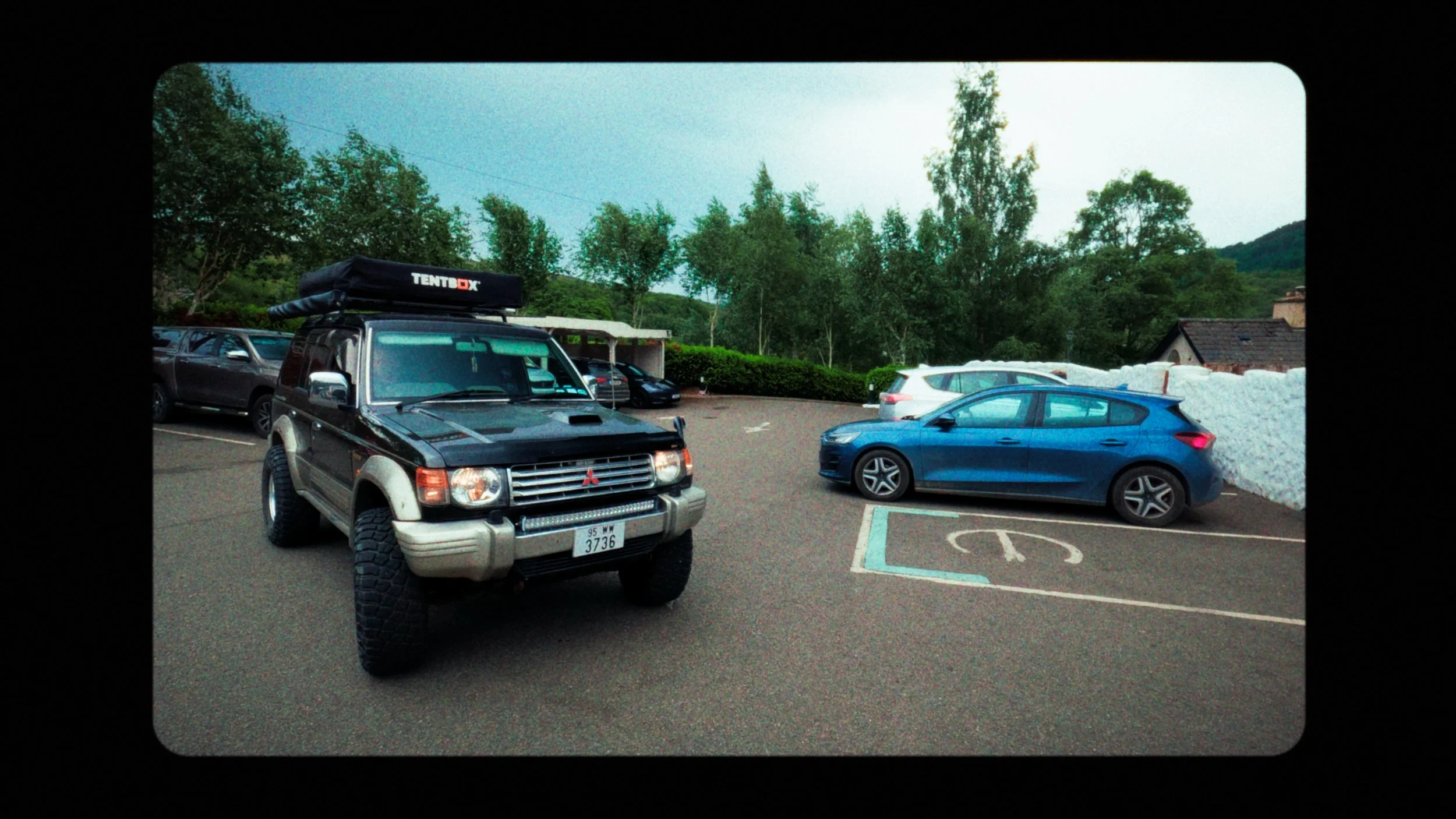
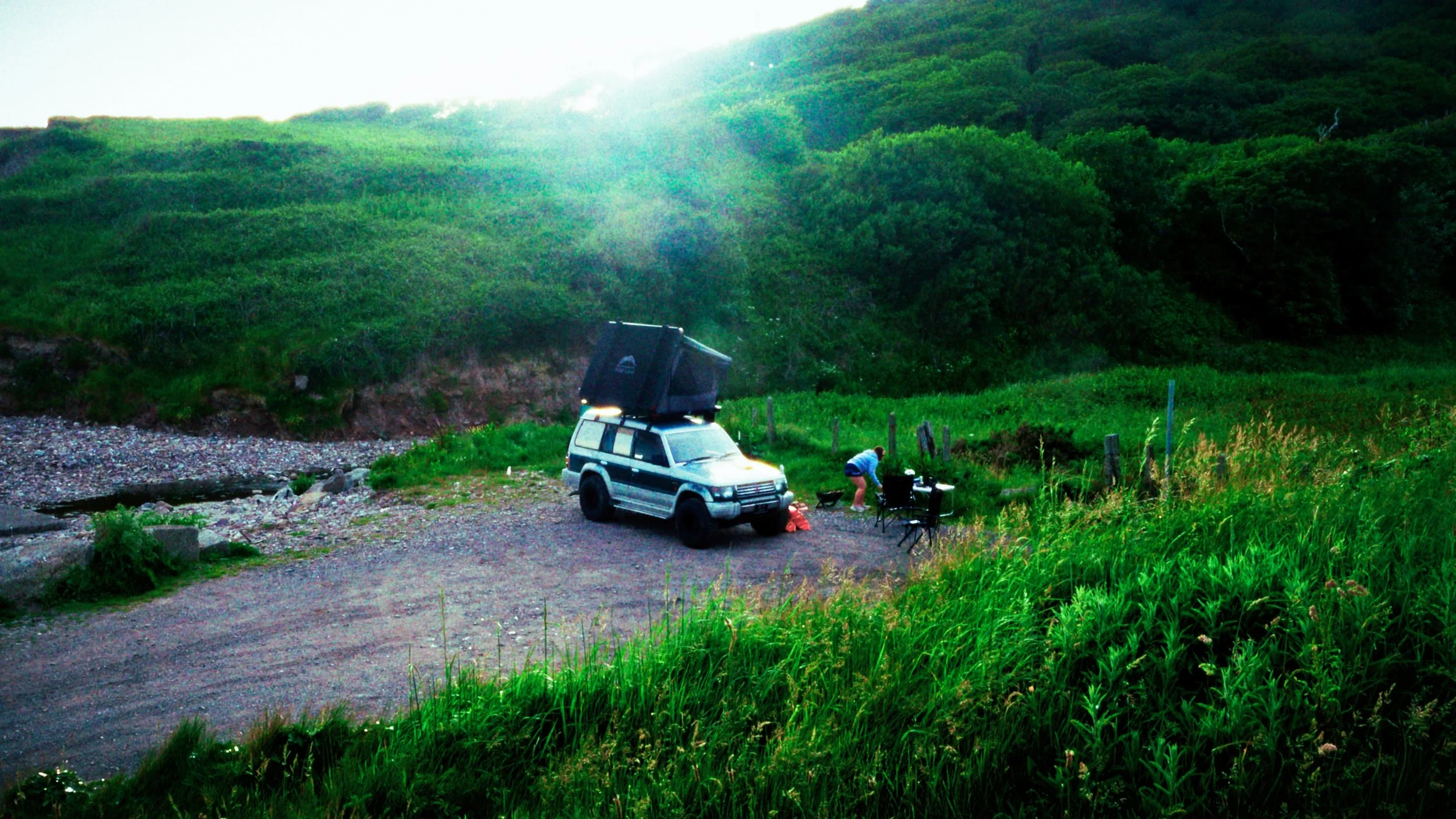
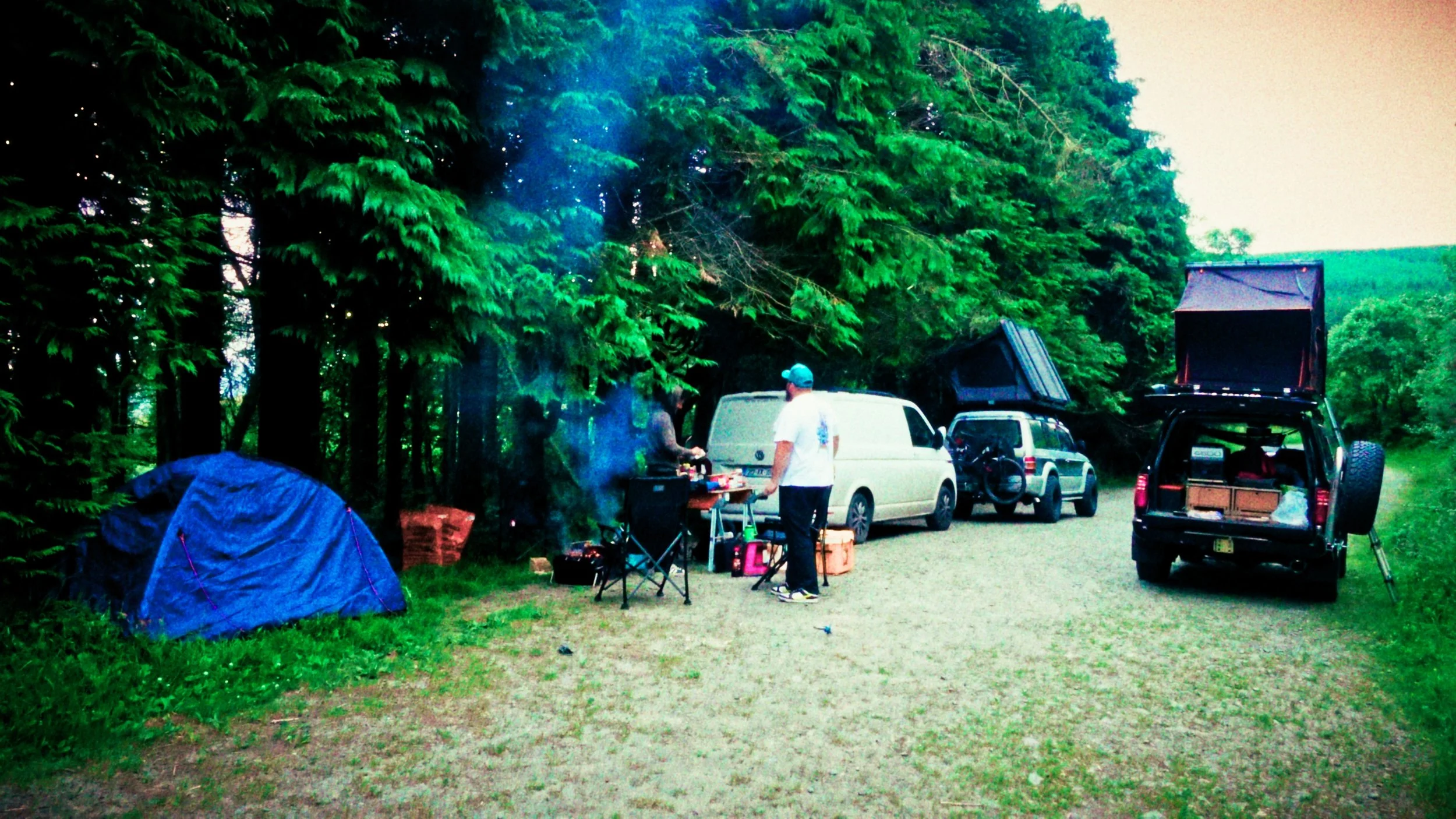
We stopped beside the old mines for a look around while we waited for Tiernan and Pip to arrive in the 80 Series, and once they turned up, the crew was complete for the night. After a bit of catching up, we moved further up the road and found a spot to settle in — a flat car park beside a water crossing, simple enough and good enough for the night. There were already a few groups around, so we were late enough arriving, but we still found our place.
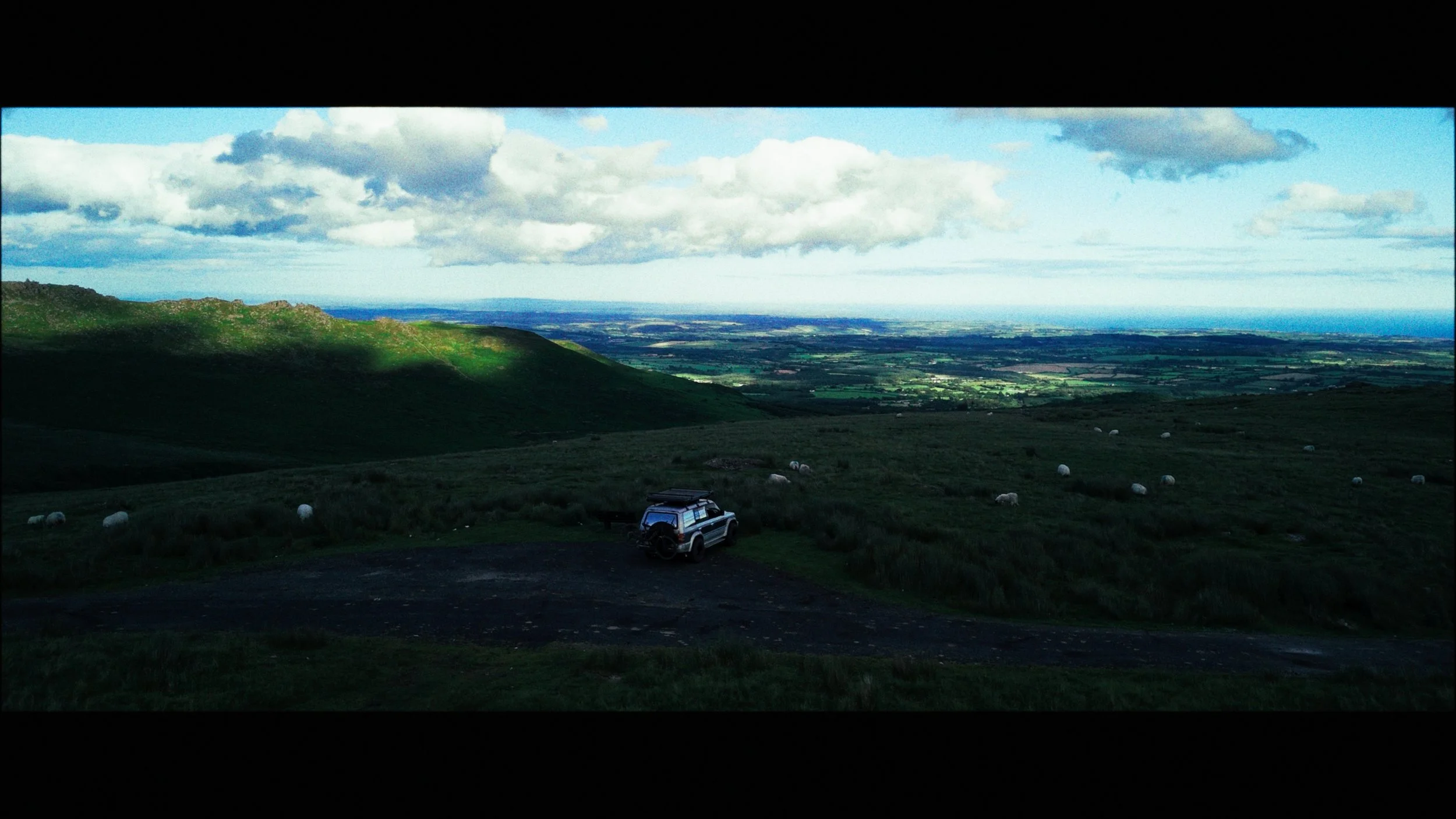
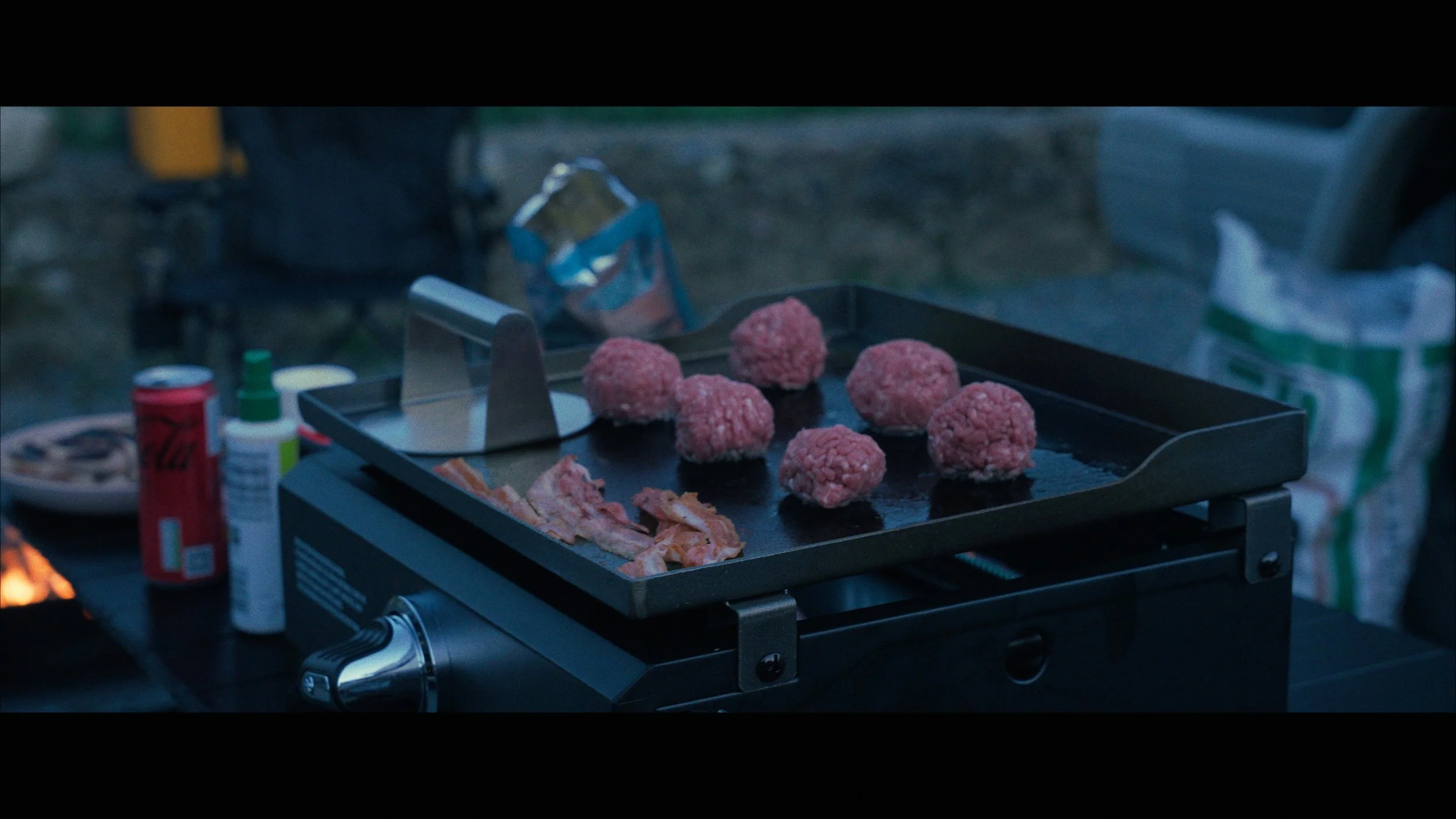
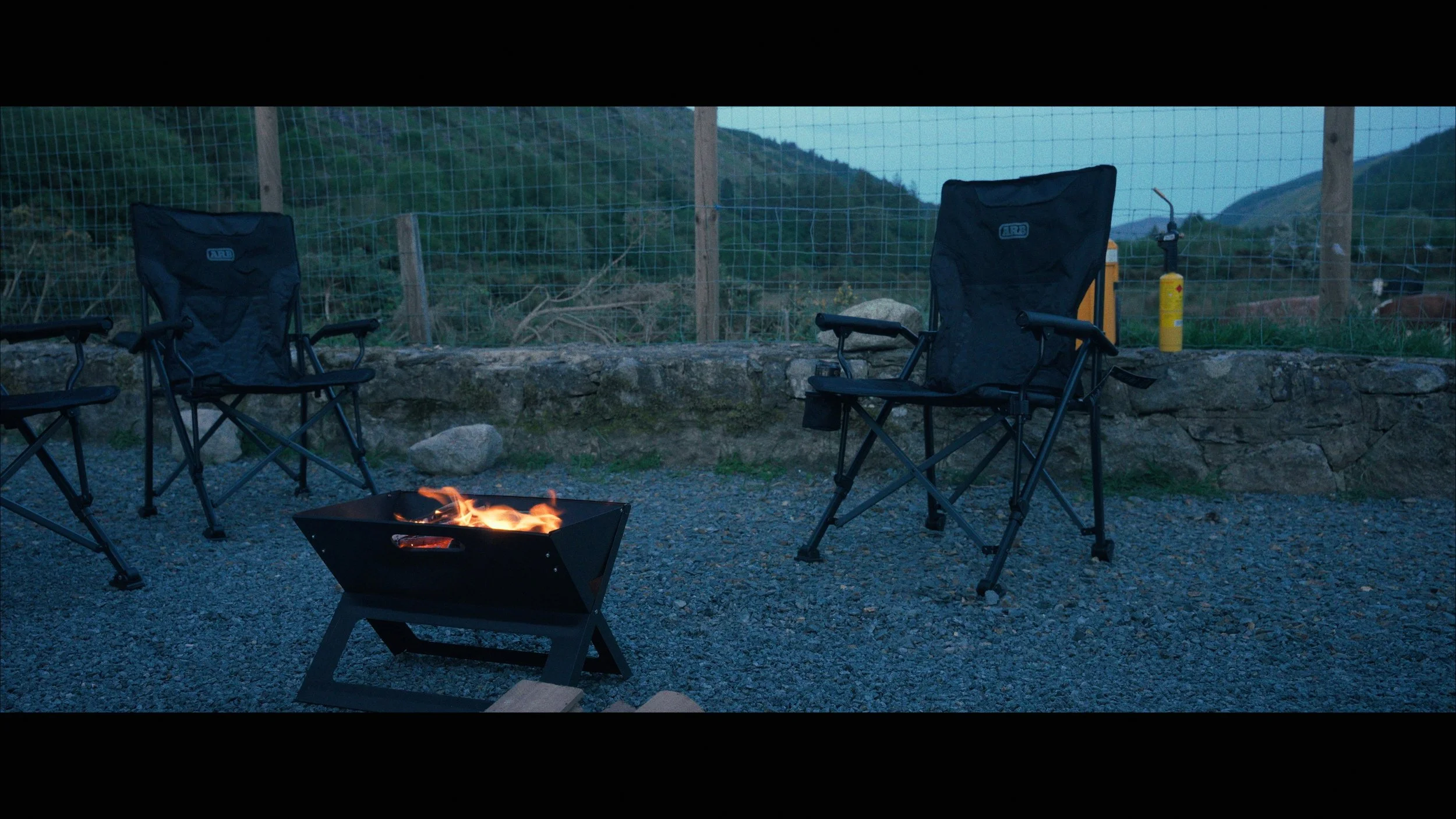
As the sun slipped away, the midges came out with a vengeance. For a while, they absolutely had us. Eventually, the fire pit was lit, food got sorted, and the evening softened into the kind of night these trips always seem to become. A few drinks became more than a few, and before long I was climbing into the tent for a solid nights sleep. I woke up to birds, to cows in the field beside us, and to the sound of a lad from Dublin shouting at his border collie for trying to herd sheep. Soon enough, we were packed up and back on the road, heading for Laragh to meet a group of Land Rover and 4x4 owners.
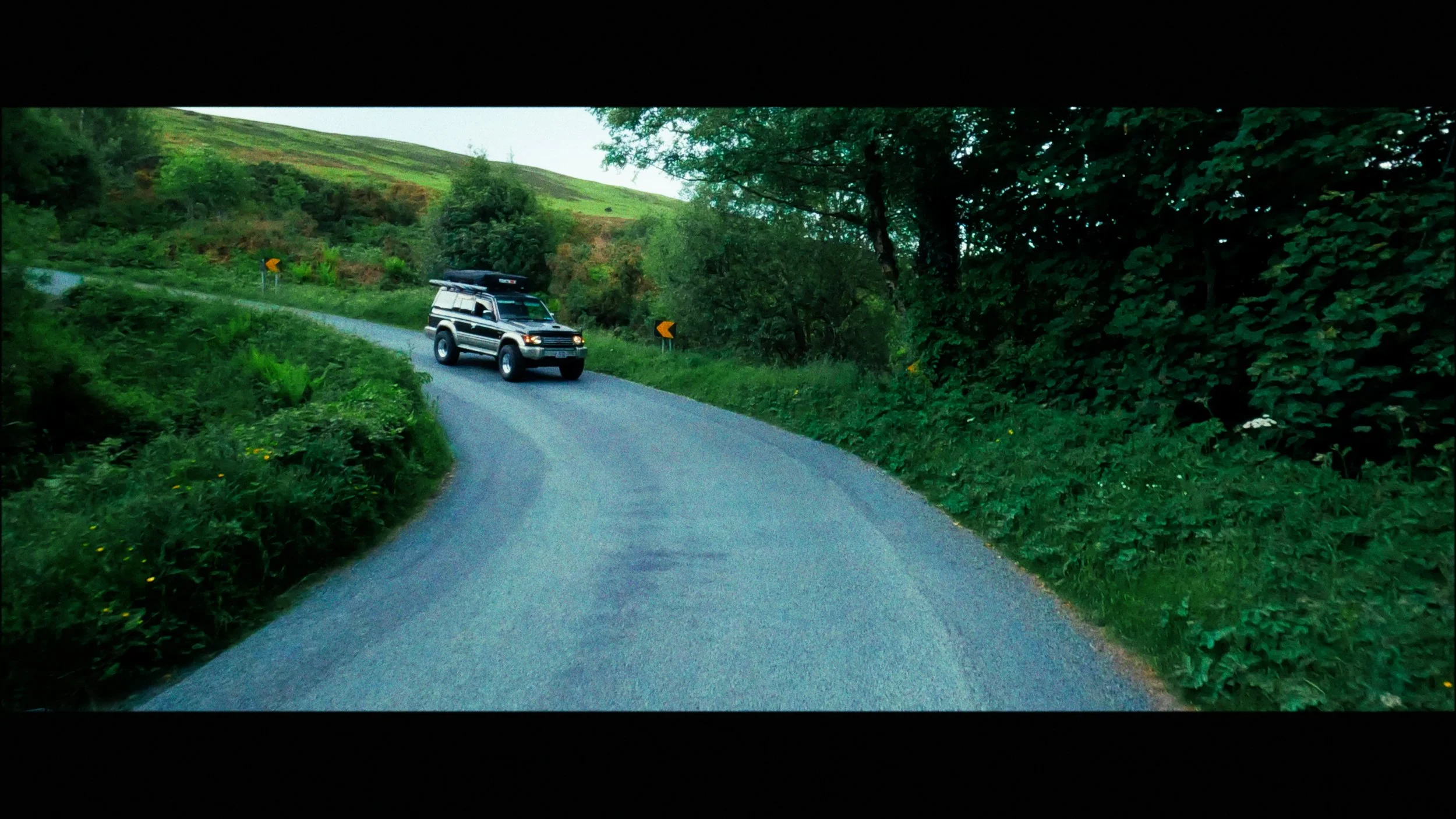
From there, we crossed over the Sally Gap. By then, the weather had changed. Light rain, a bit of wind. But we were in the right vehicles for it, and it only gave the landscape a different kind of beauty. Wicklow has a way of doing that — it looks great in the sun, but it also looks beautifully wild in the rain. We stopped in Blessington for food and a break before splitting off and heading home. We had another event the following day, so rest wasn’t really part of the plan. But for a first trip, I would consider it a great success.
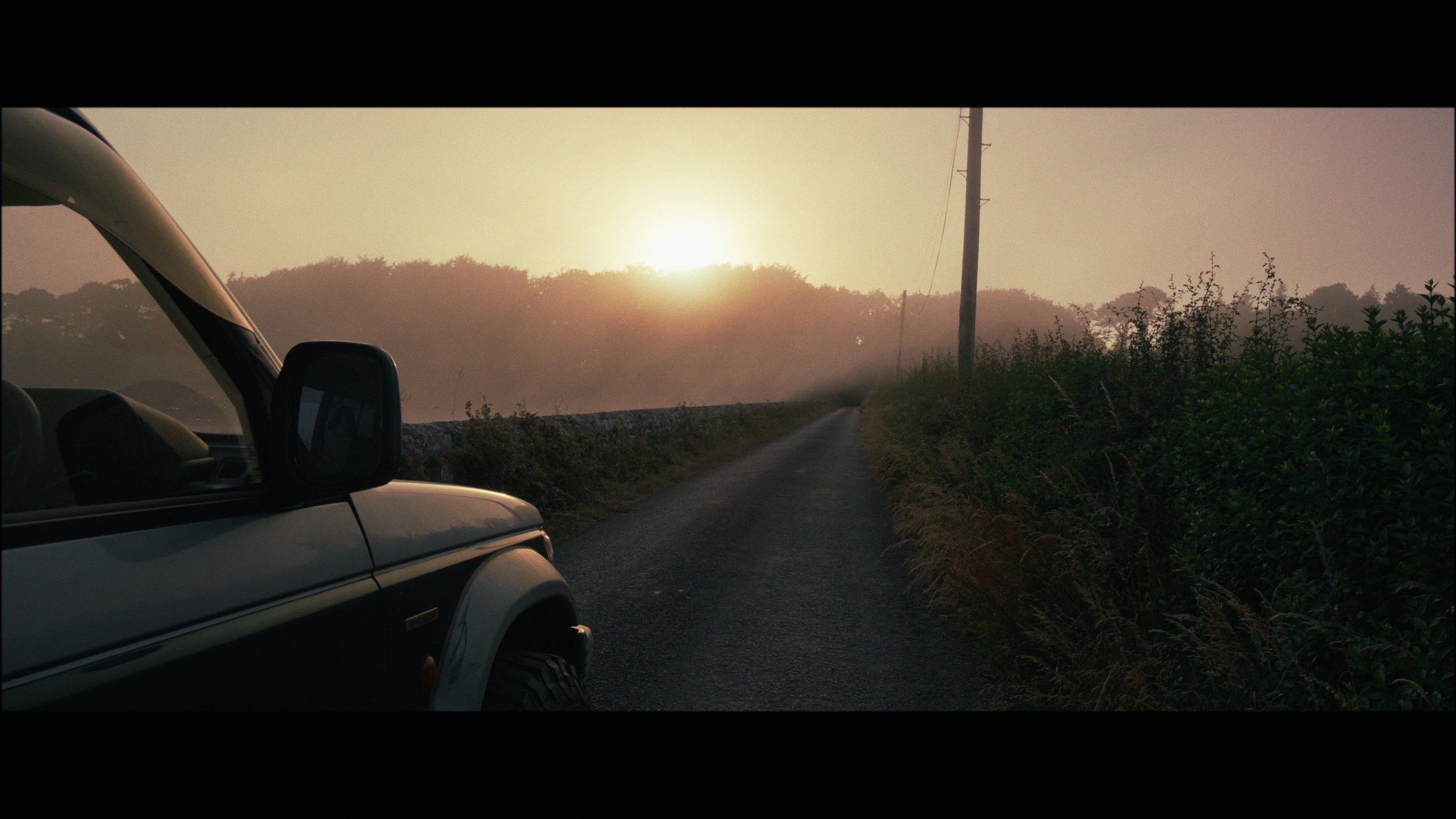
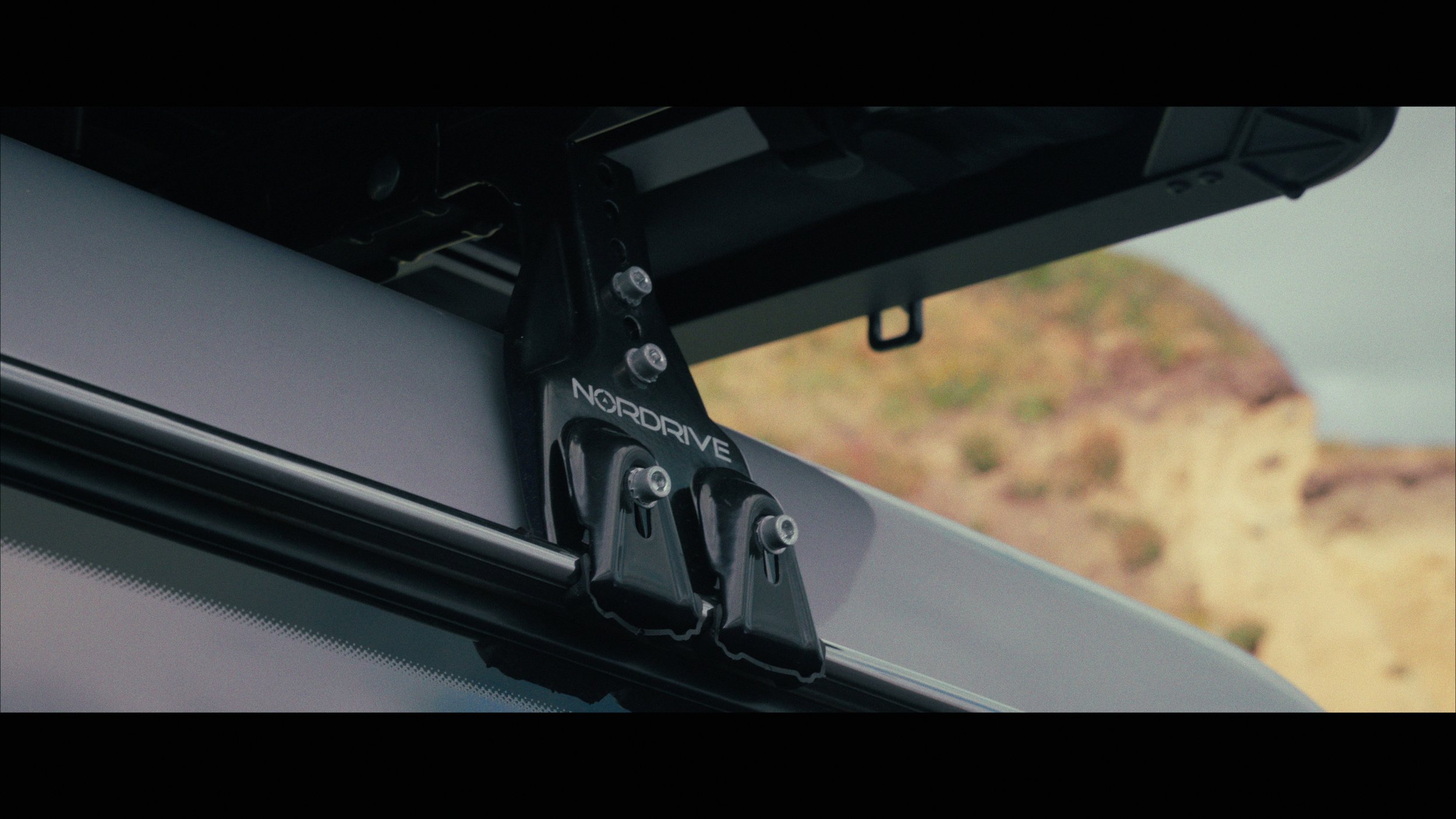
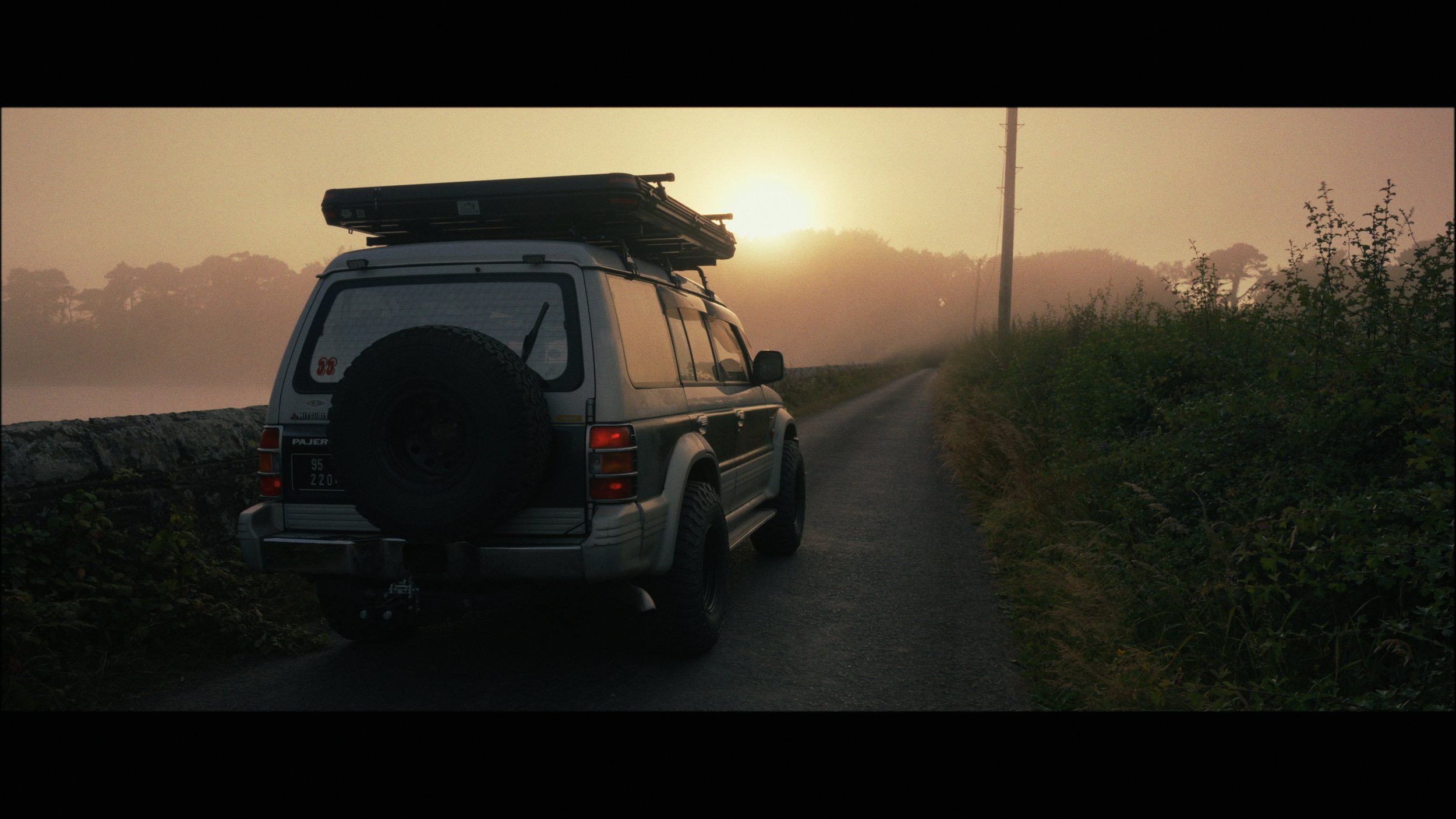
After those first few nights, I started noticing a couple of things about the setup. The roof bars I’d been using were ones I’d bought off Derrick, and while they did the job, they weren’t quite ideal for the way I was using the Pajero. Because of the slight slope of the roofline, they never sat completely level, which left some tight clearances, especially around the sunroof. Nothing was wrong, exactly, but it never quite sat right with me either. The fixing system was also a knob-style setup, which makes sense if you’re taking bars on and off regularly. But when they’re carrying a rooftop tent full-time, it starts to feel like something you keep thinking about at the wrong moments. Any time I was out on the road for a while, I’d find myself pulling in just to check they were still tight. That’s not really the feeling you want when you’re meant to be enjoying a trip.
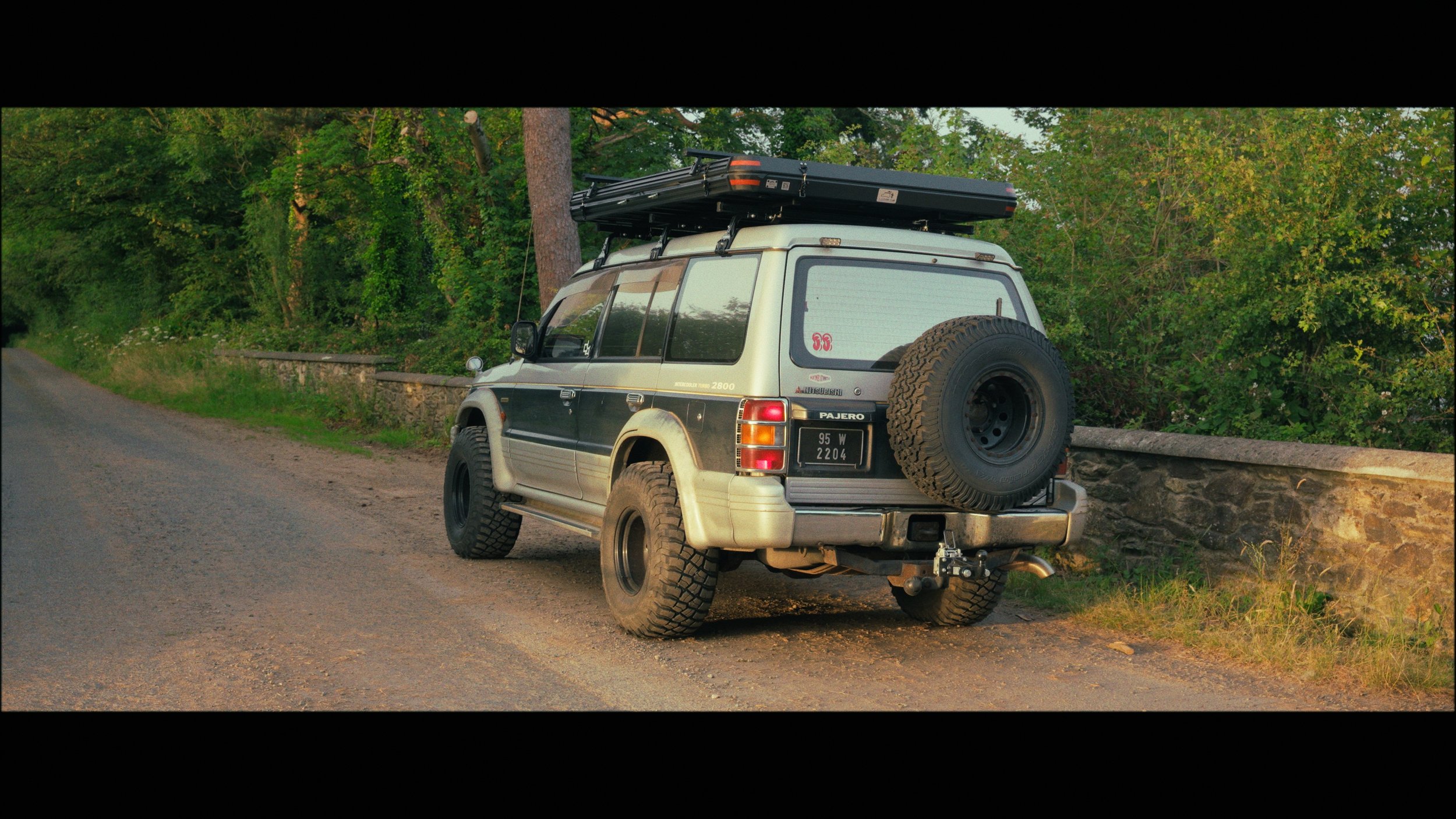
At a Friends of Fallen Friends event, I ended up chatting to another Pajero owner from Waterford who was running Nordrive roof bars. Straight away, I could see the difference. They felt better made, and more importantly, they were height adjustable. That made all the difference for getting everything sitting properly on the Pajero’s roofline. So I didn’t hesitate. I ordered a black set, and about a week later, with help from Dave, we got them fitted. The wind noise dropped noticeably too, which was a welcome plus.
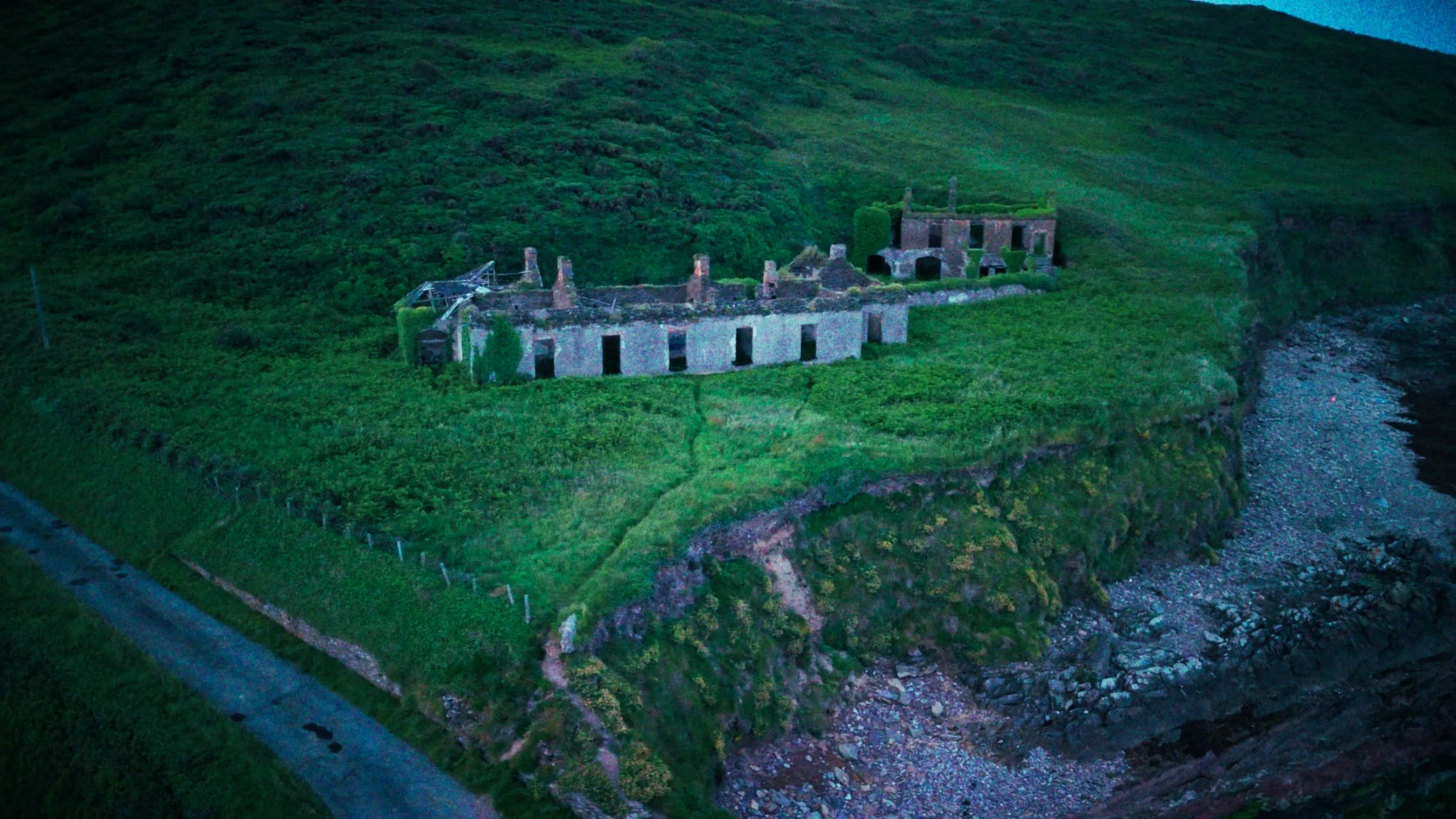
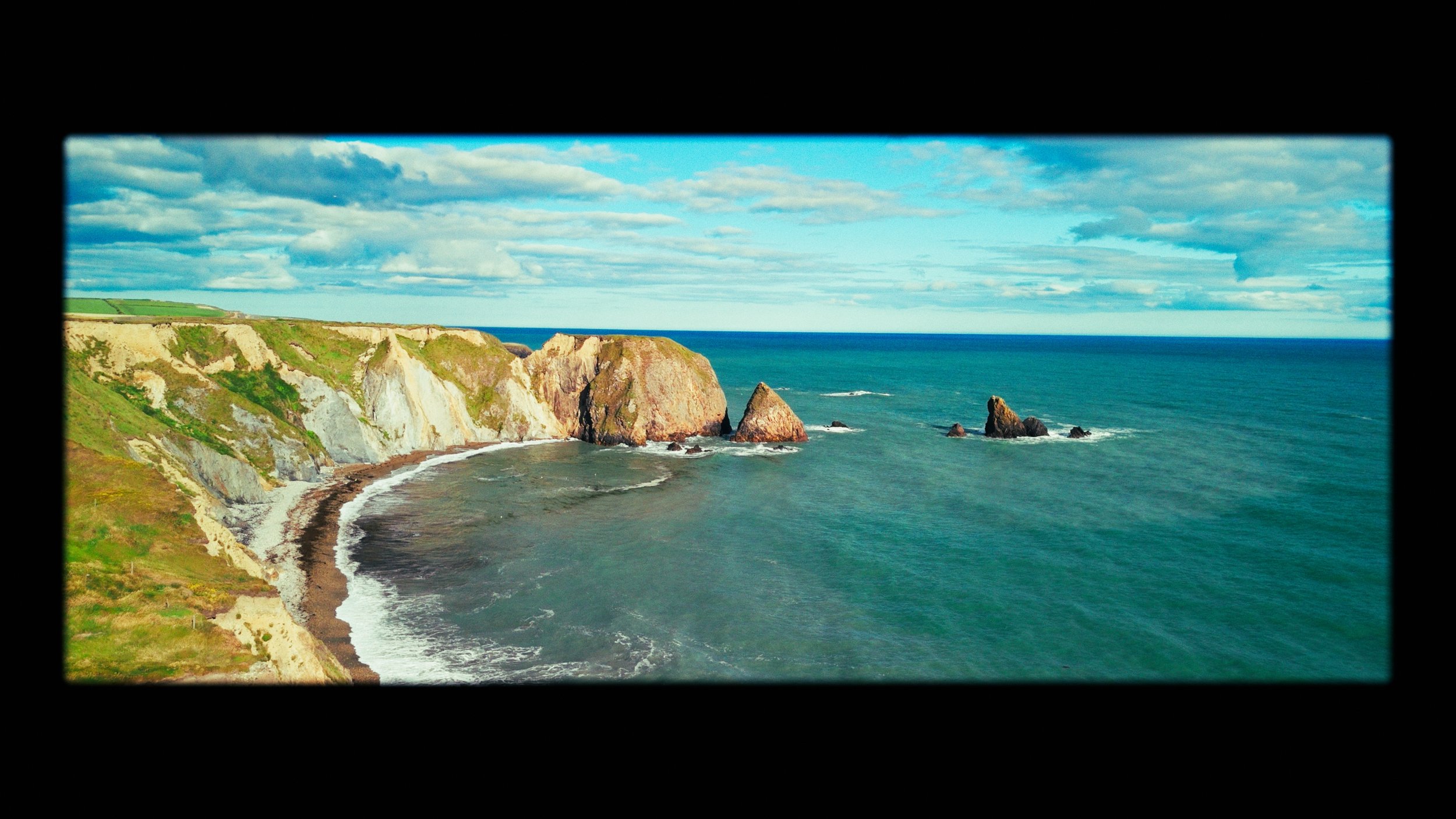
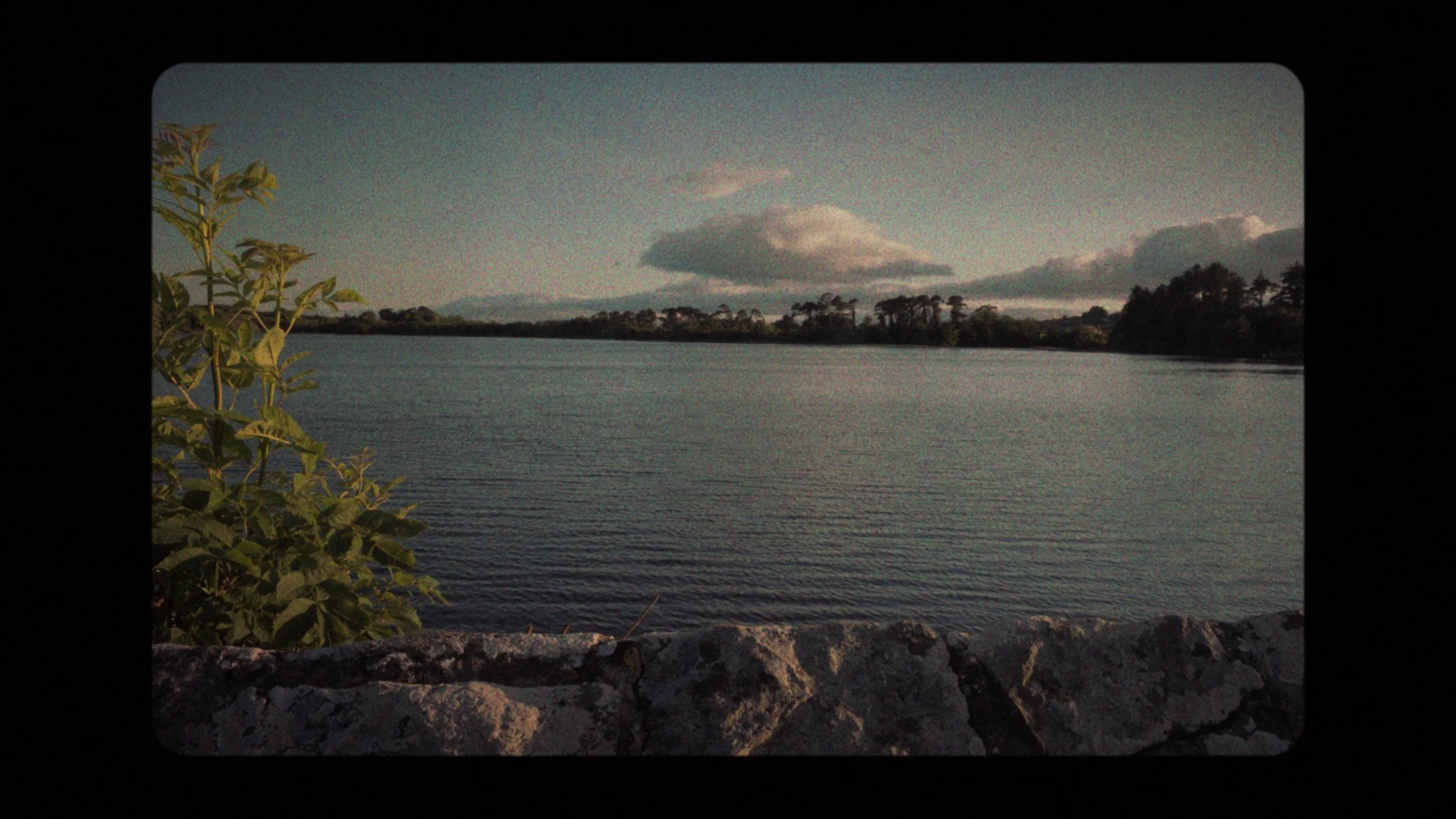
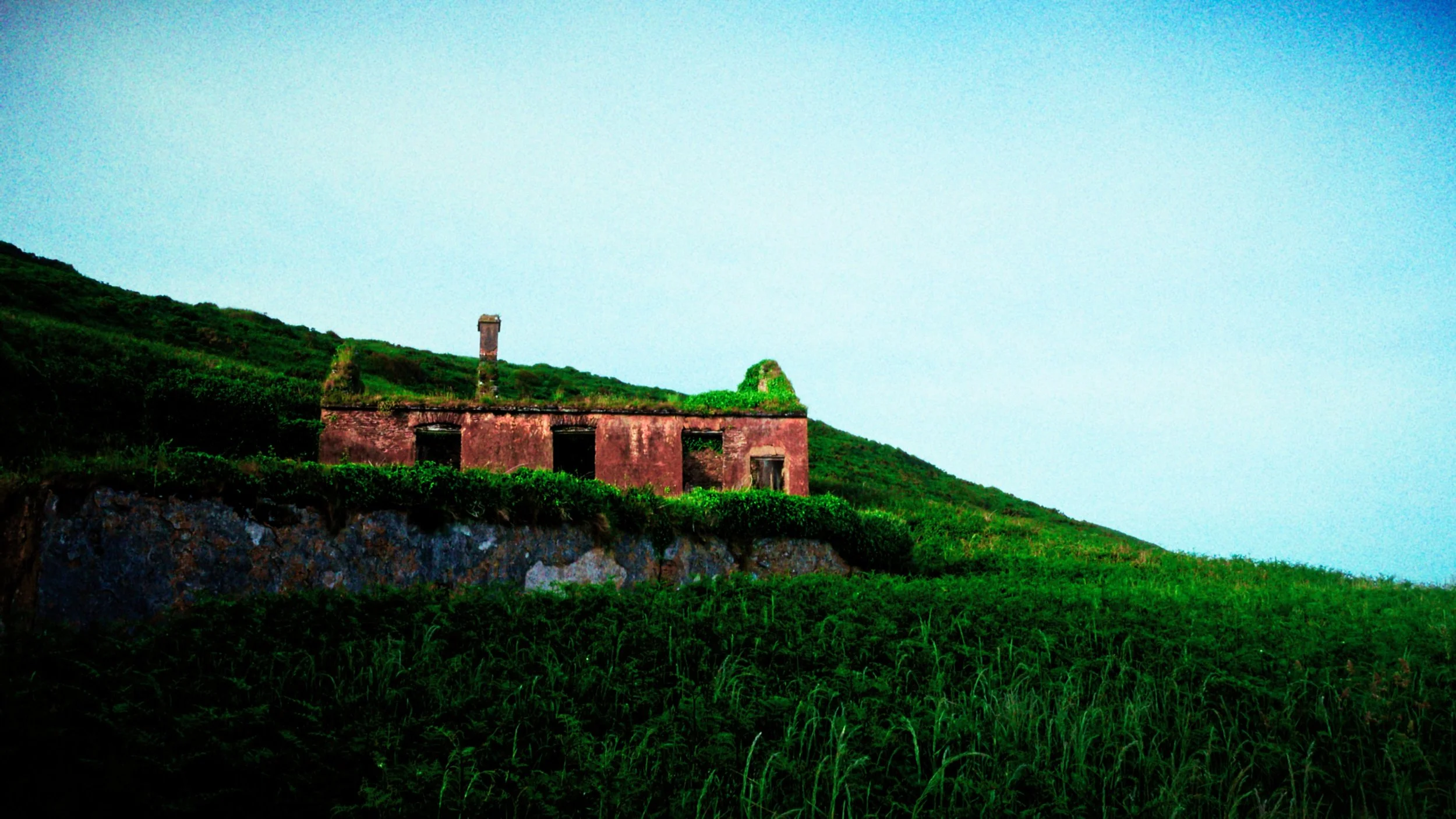
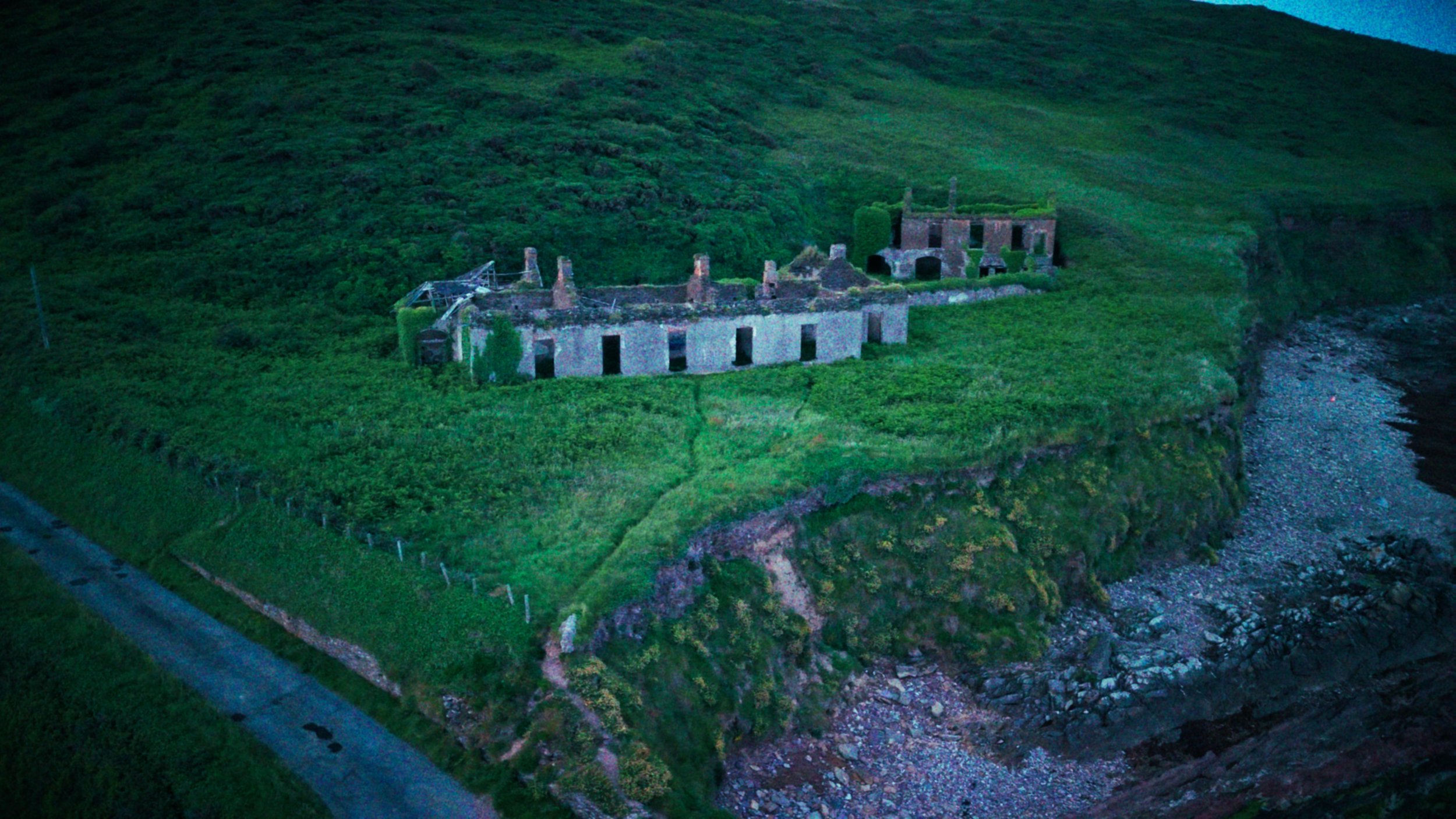
Not long after that, I headed out again, this time a little closer to home. I spent the weekend on a secluded beach along the west Waterford coast. It was only my second trip with the tent, but the first time bringing my partner along, so I was curious to see how the whole setup would feel with the two of us in it. We arrived, unpacked, and settled in. After that, I wandered off with the rod to try my luck at a bit of bass fishing, more in hope than expectation. Up above the campsite, there were some old ruins I’d known about for a while, so I went up for a look. It was the remains of an old house, roof gone long ago, sitting quietly above the coastline like something left behind by time.
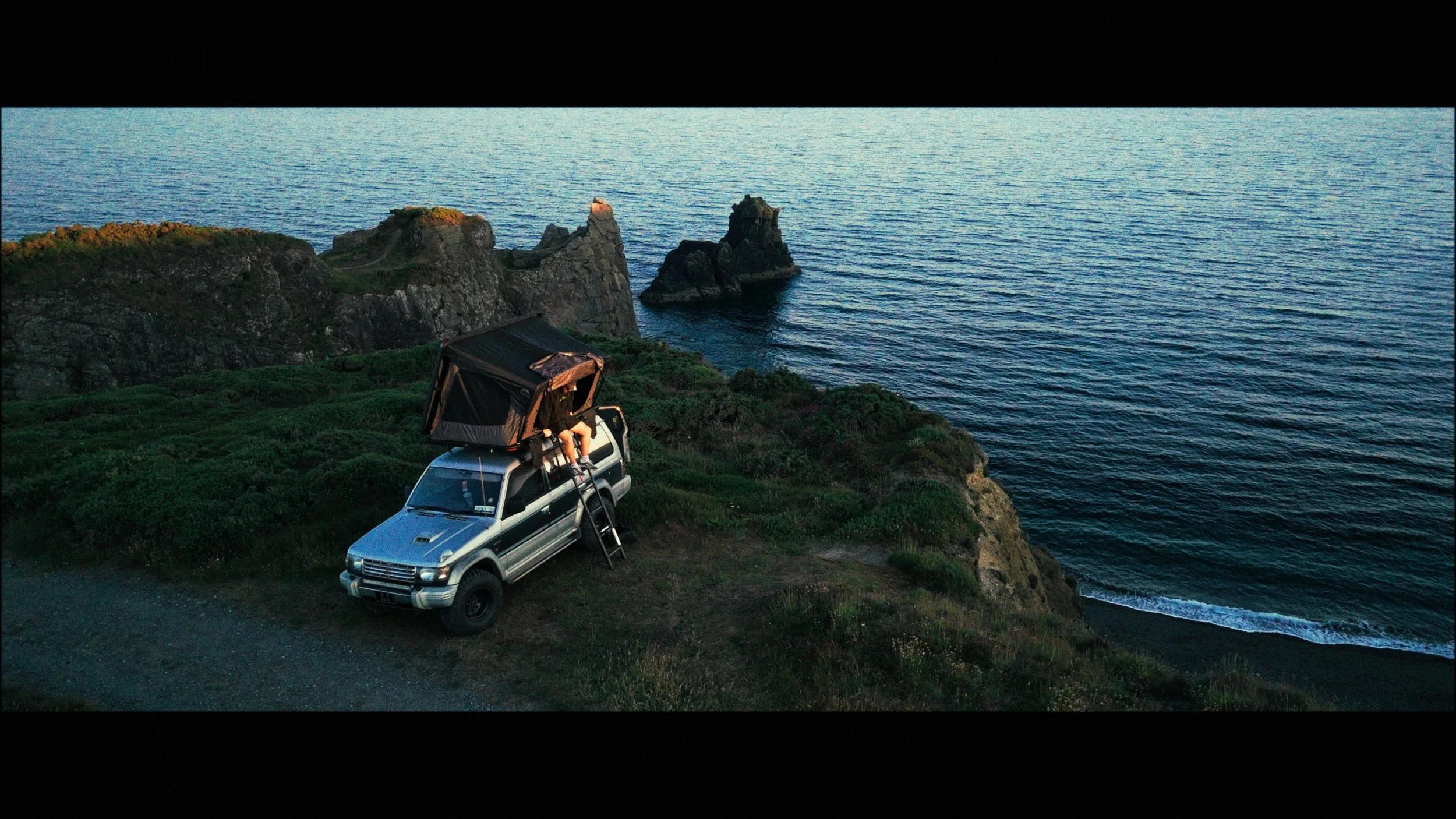
Back at camp, we cooked, ate, and watched the sun fall out over the water. No hurry. No noise. Just a soft evening and the kind of stillness that makes everything else feel far away. When night finally came, we climbed into the tent and settled in. The next morning was the moment it really made sense. Waking up to waves breaking gently on the rocks below, and looking straight out over the sea from the tent, was hard to beat. It was calm, clear, and quiet. The tent was more than comfortable for the two of us, with enough space to stay for more than just one night without ever feeling cramped.
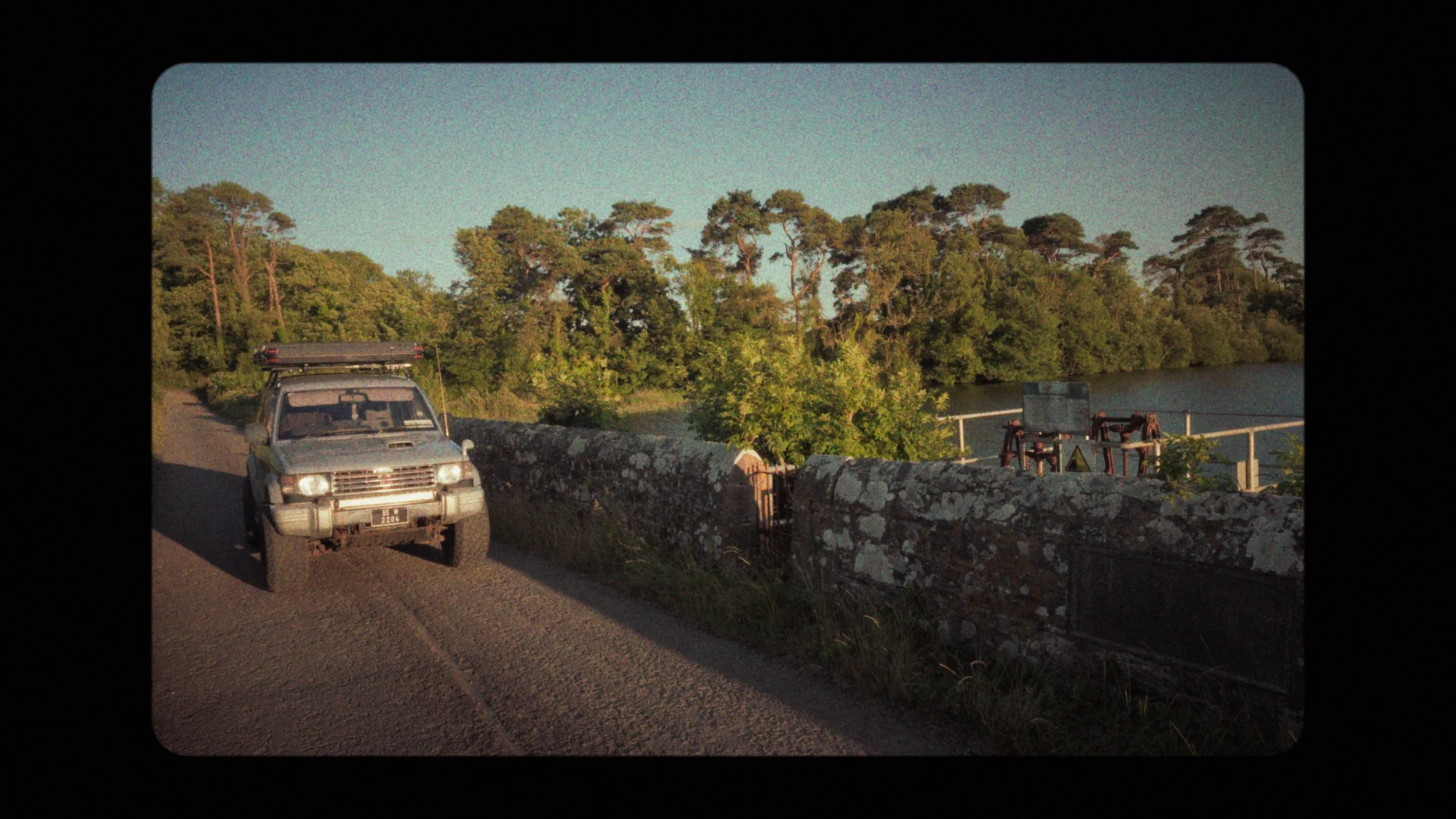
That trip made one thing clear: the freedom a setup like this gives you is real, and once you’ve felt it, it’s hard not to want more of it. I didn’t buy this tent just to go camping in the usual sense. I bought it because I wanted to use it. I wanted something that made leaving easier, staying easier, and going further feel possible without much thought.
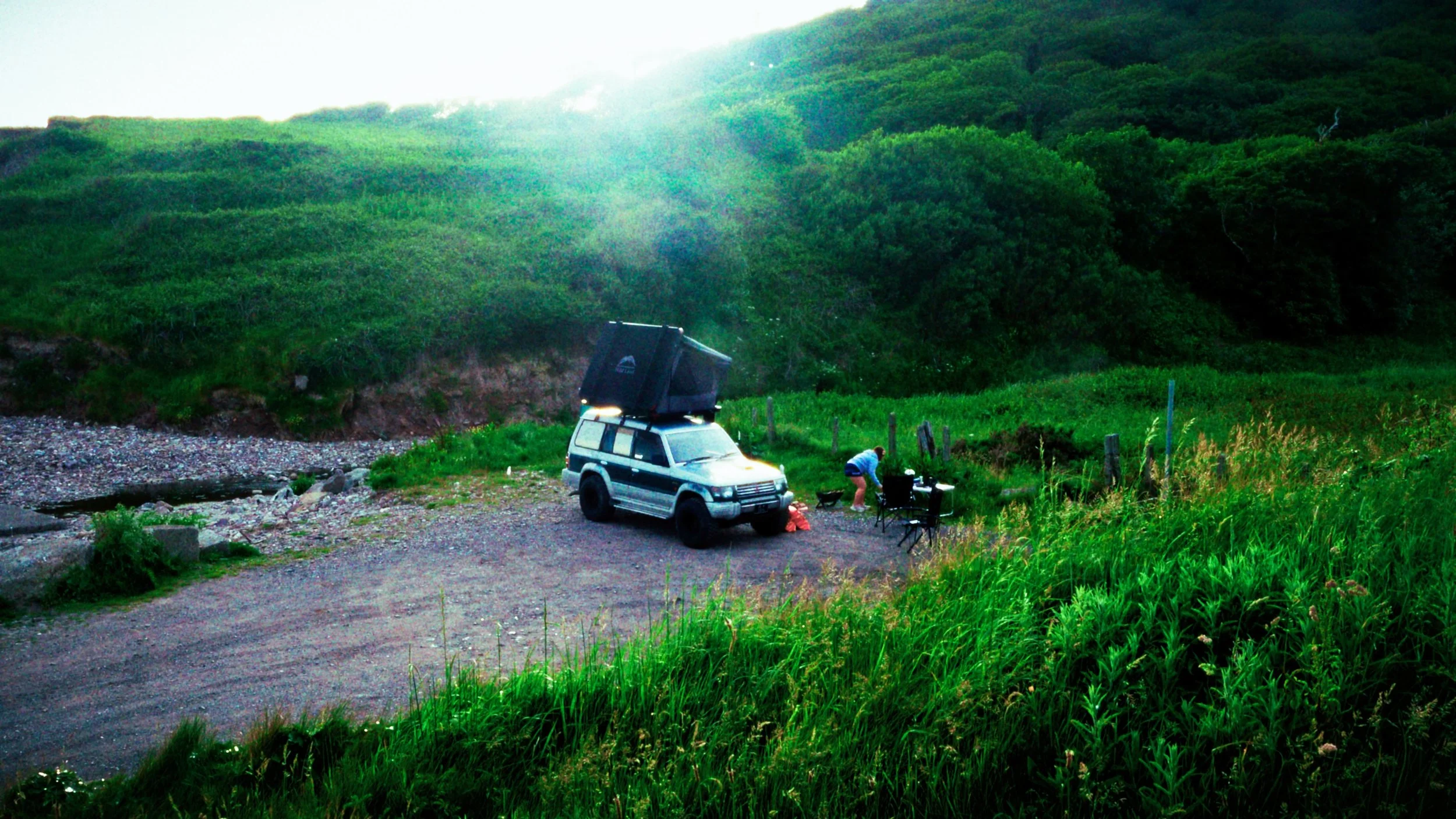
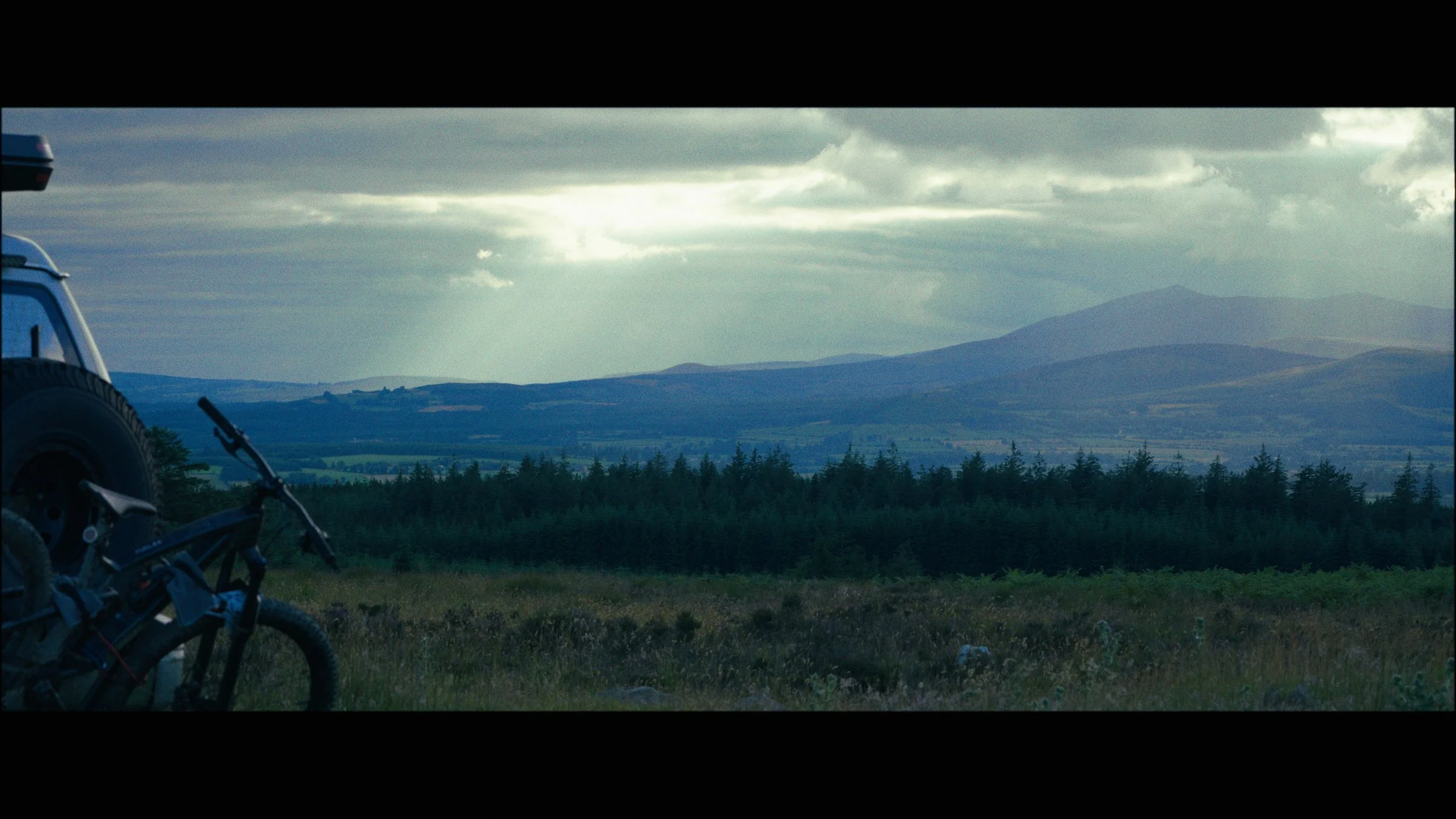
A couple weeks later, I put that to the test again. I loaded up the mountain bike, strapped it to the back of the Pajero, and headed for the Ballyhoura mountain bike trails in County Limerick. Peter and I had been riding our local trails whenever we could, but Ballyhoura had been coming up in conversation for a while. It’s one of those places you mean to visit, keep talking about, and somehow keep putting off. The drive is only about two hours, but that becomes four hours of road time if you do it as a day trip. With the rooftop tent, there was no need to rush it. We could go down the night before, ride properly, stay the night, and let the trip breathe a little.
I’d also been trying out a tow-bar extension I’d picked up recently. It let me mount the bike carrier further out, so it could sit behind the spare wheel on the rear door. Without it, the spare would have made carrying the bike impossible. It was a small change, but one that made the setup feel more complete. So after a few trips, a few nights in it, and a few miles of real use, the question became simple: what do I think of the tent now?
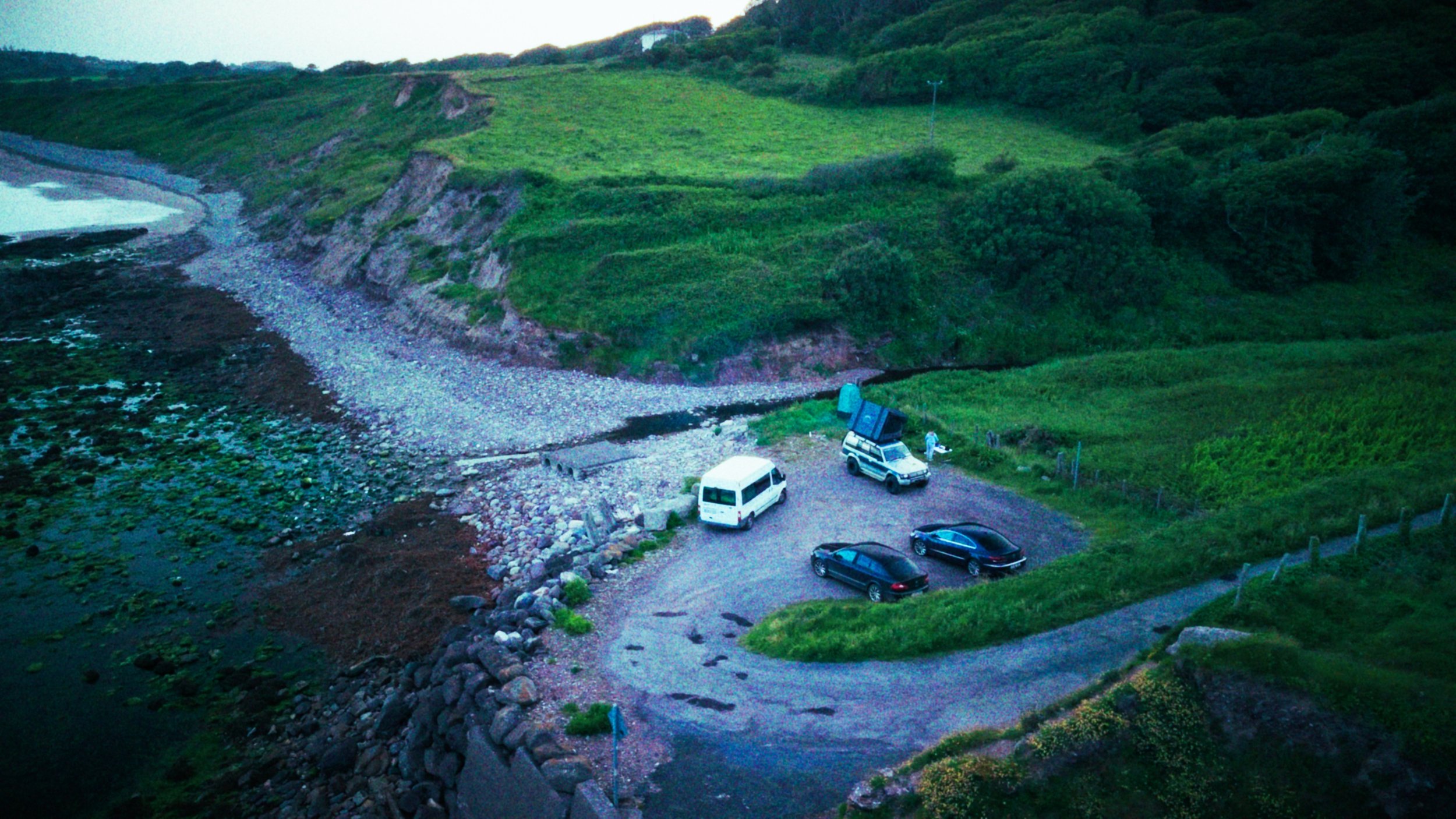
Honestly, I understand the appeal. At first, I wasn’t sure it would be worth it. It’s not cheap, and things like this can easily become novelty purchases — exciting at first, but not something you actually reach for often. But for me, it’s been the opposite. What it’s really given me is flexibility. I don’t have to plan in quite the same way anymore. If I want to head somewhere, stay the night, and turn it into something more than just a drive, I can. I don’t need to book ahead or make arrangements. I can just go. For the way I use the Pajero — road trips, off-road driving, weekends away, and now trips like this — the hardshell tent makes sense.
Could I have bought a softshell for less? Of course. And for plenty of people, that would be the better choice. But for me, it’s the quick setup that matters. Being able to stop, open it in a couple of minutes, and settle in, especially when the weather turns or the evening is already getting away from me, is what makes it worthwhile. If it felt like effort every time, I know myself well enough to say I’d probably use it less.
As for what comes next, there are still a few ideas floating around. The main one is a freestanding awning — just a bit more living space, especially for wetter trips. Somewhere to cook, sit, and stay out of the wind without having to retreat straight into the tent. After that, it’s really just about going out and using it more. Different places, longer trips. That’s the part I’m looking forward to now.
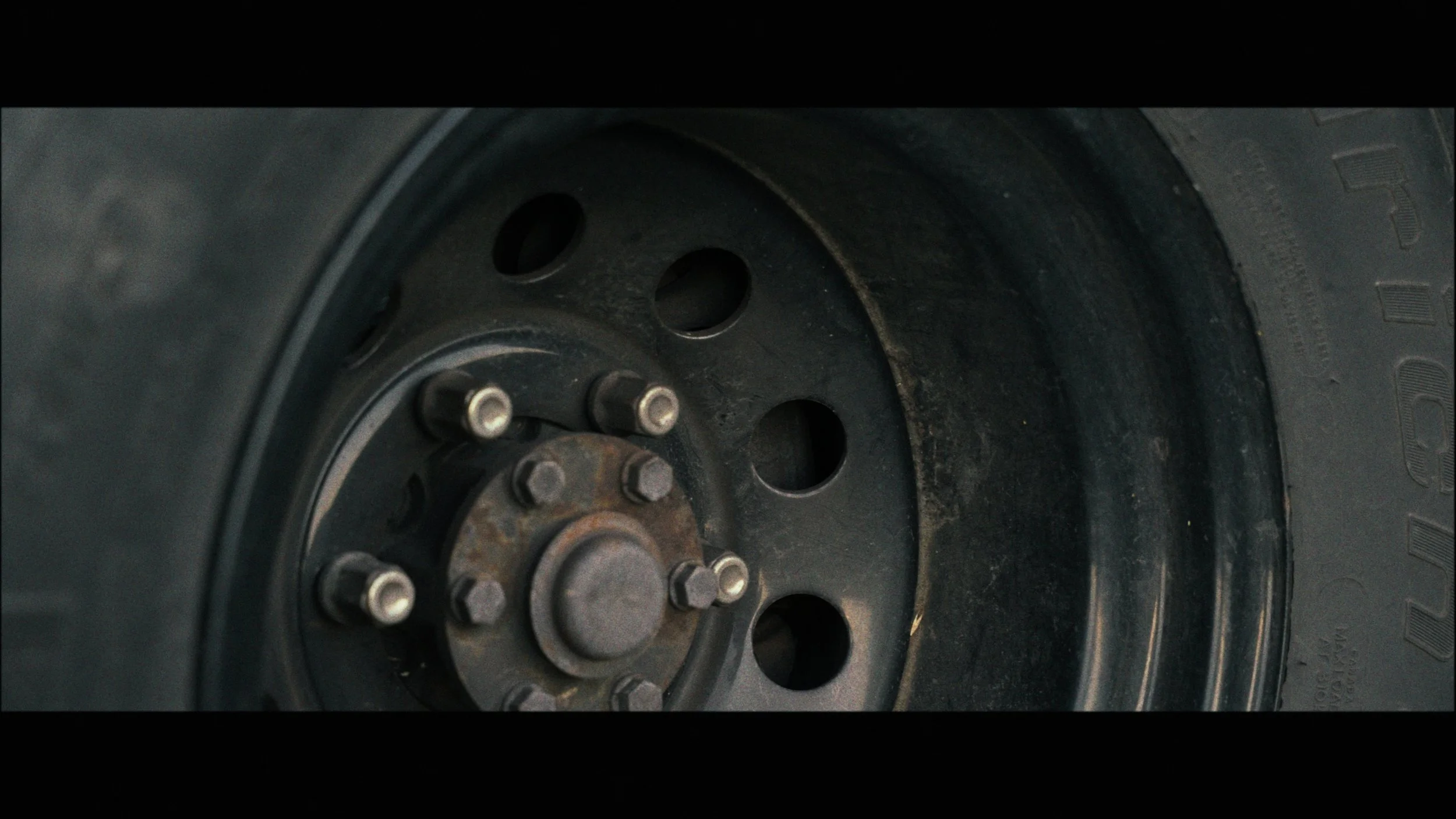
I also get asked quite a bit about the wheel, tyre, and suspension setup on the Pajero, so before I finish up, I’ll mention that too. I’m running modular steels in 15x10 -35, wrapped in BFGoodrich Mud-Terrains. They’ve been solid on-road and off-road, even if they’re not doing my fuel economy any favours. Like a lot of my automotive choices, they were bought for the look first and the performance second. Suspension-wise, it’s completely stock, apart from a set of shocks that replaced the original thirty-plus-year-old ones.
Thanks for watching.
Mind yourself.
