

Spin Theory - Russbourough House
Mornings in Wicklow are rarely bland.
There’s no big cinematic sunrise breaking over the hills, no golden light catching the edges of everything to make it feel like a moment—it’s just grey, slightly damp, and a bit cold, especially for May. The kind of morning where the roads are still holding onto last night’s rain and the whole place feels like it hasn’t woken up yet. It’s quiet as well, eerily quiet, you can hear a car coming long before it actually arrives. And eventually, they do.
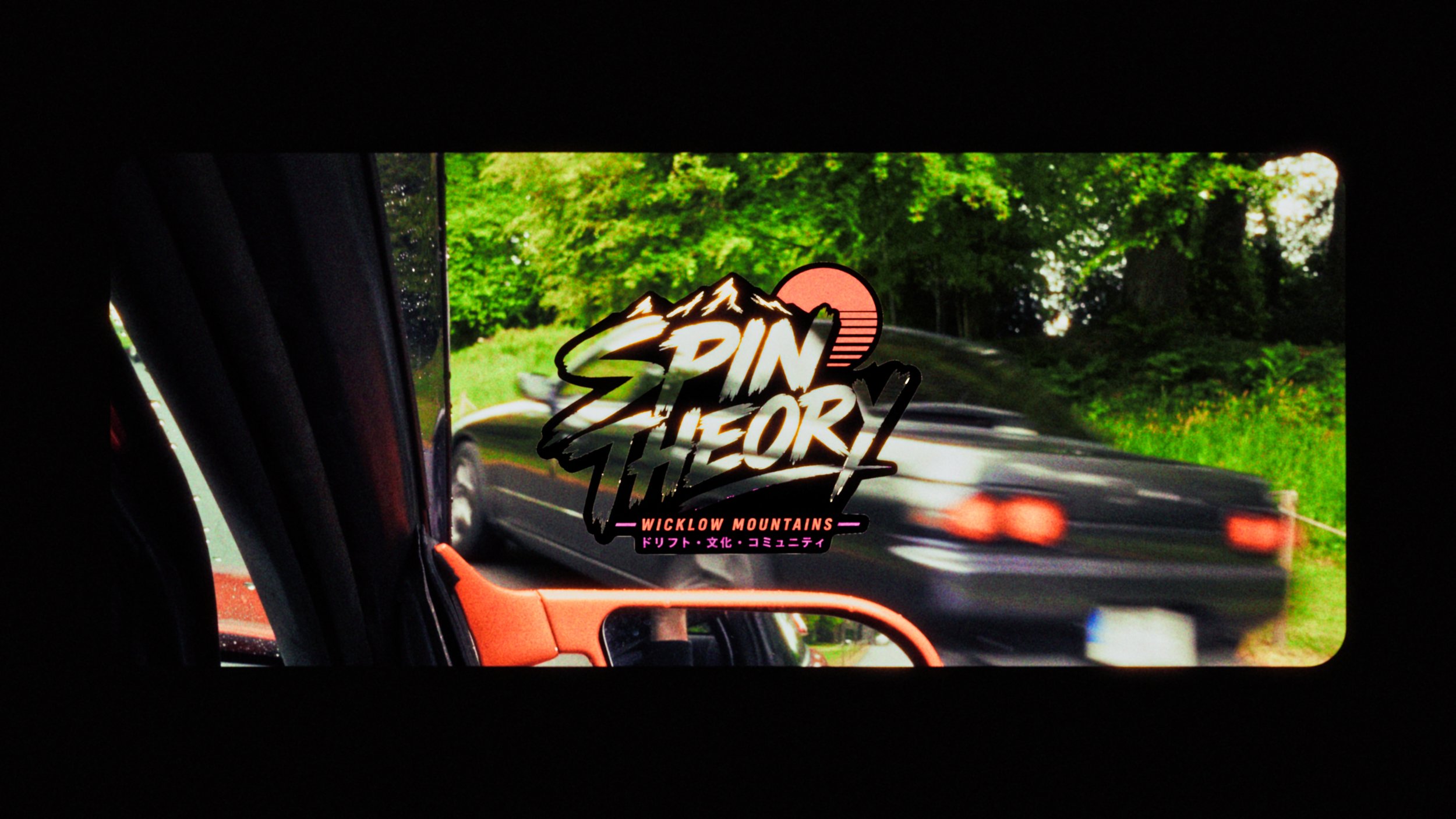
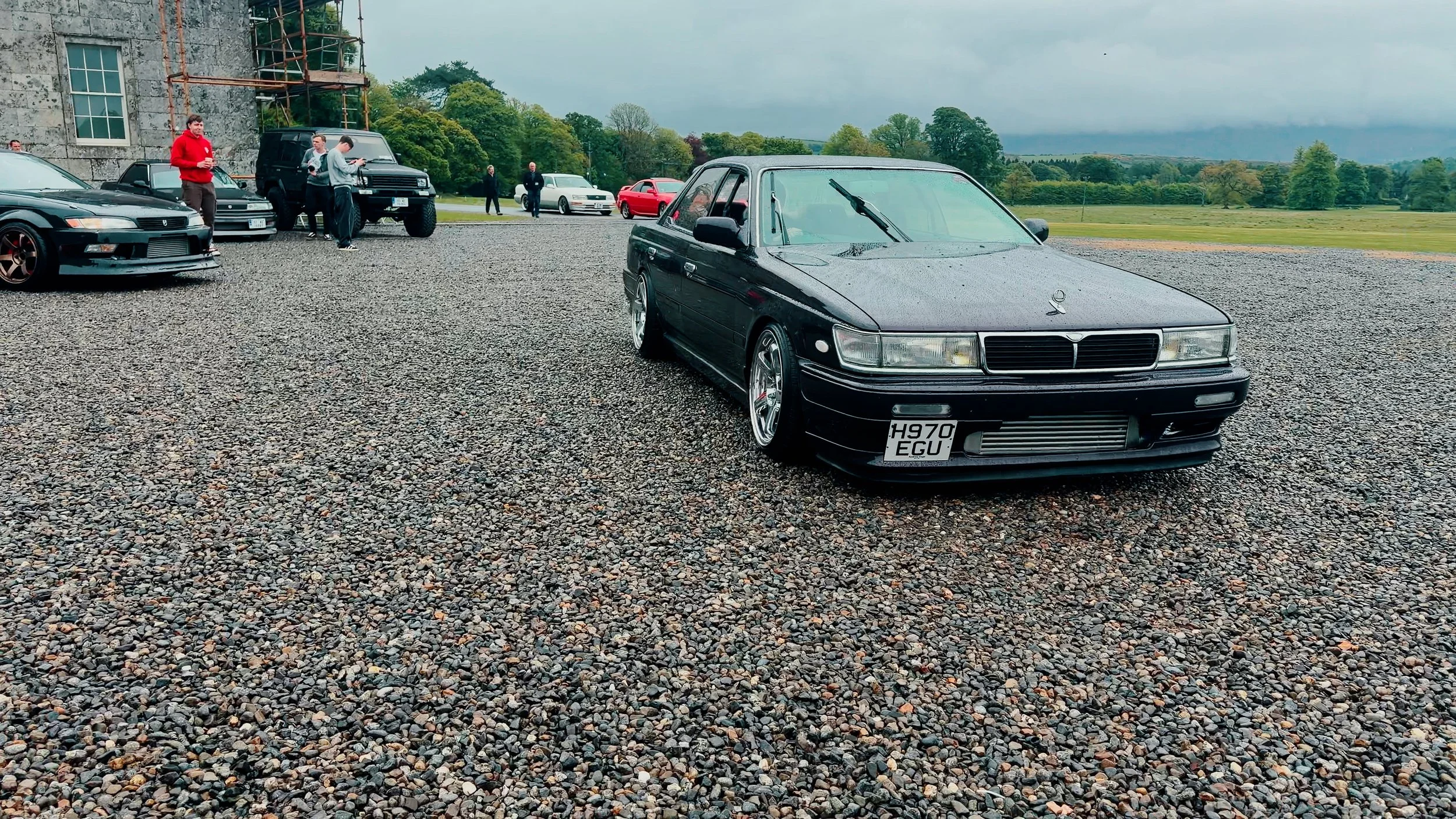
They don’t show up all at once. Instead, it’s staggered—one car appearing down the road, then another a few minutes later, and then a small gap before the next group rolls in, each with their own sound, their own presence, their own slightly different take on what a Japanese car from the 80s, 90s or early 2000s is supposed to be. Some of them sound aggressive, like they’re trying to make a point before they’ve even parked. Others are quieter, more restrained, almost understated in a way that only really makes sense if you know what you’re looking at.
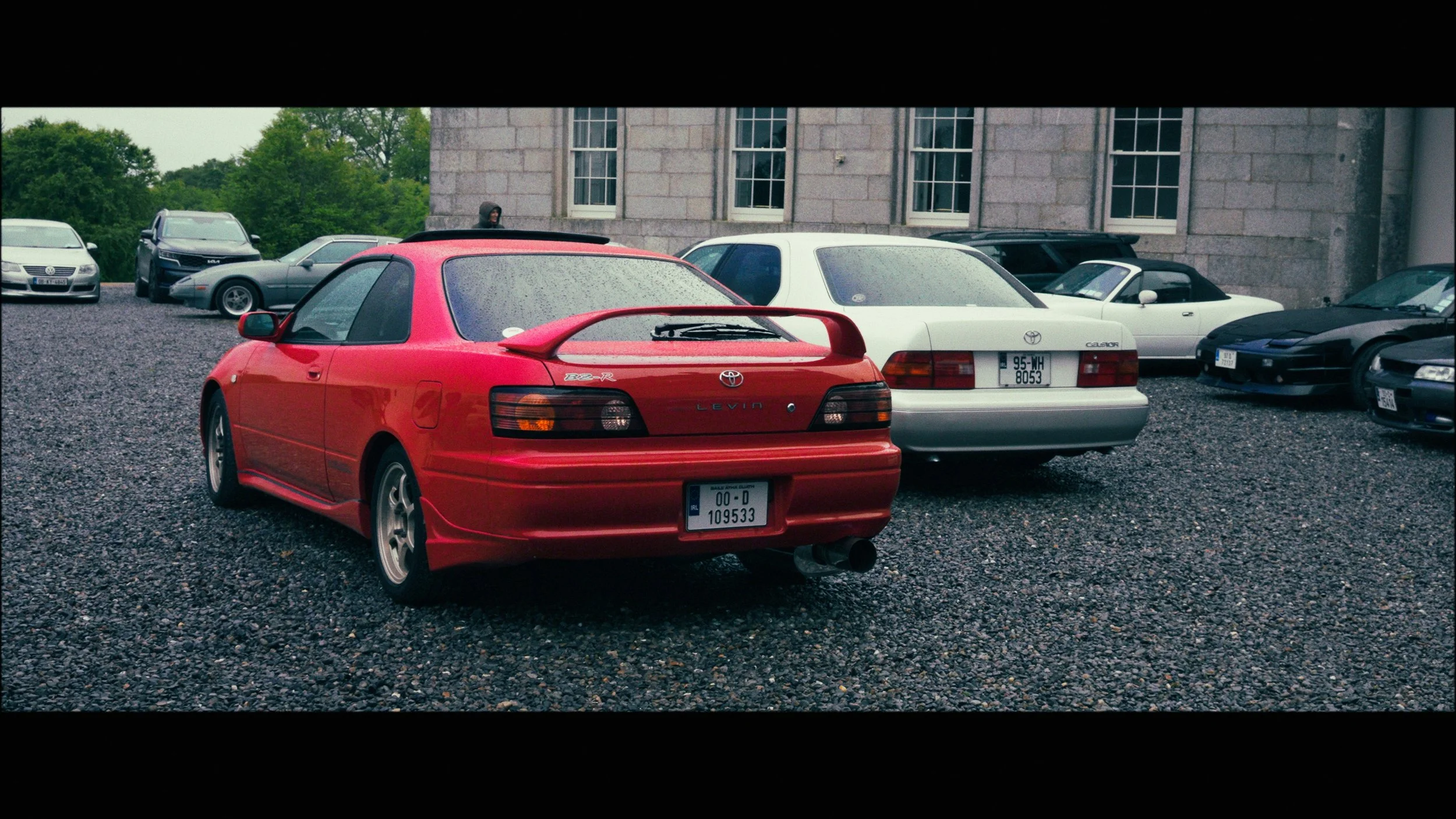
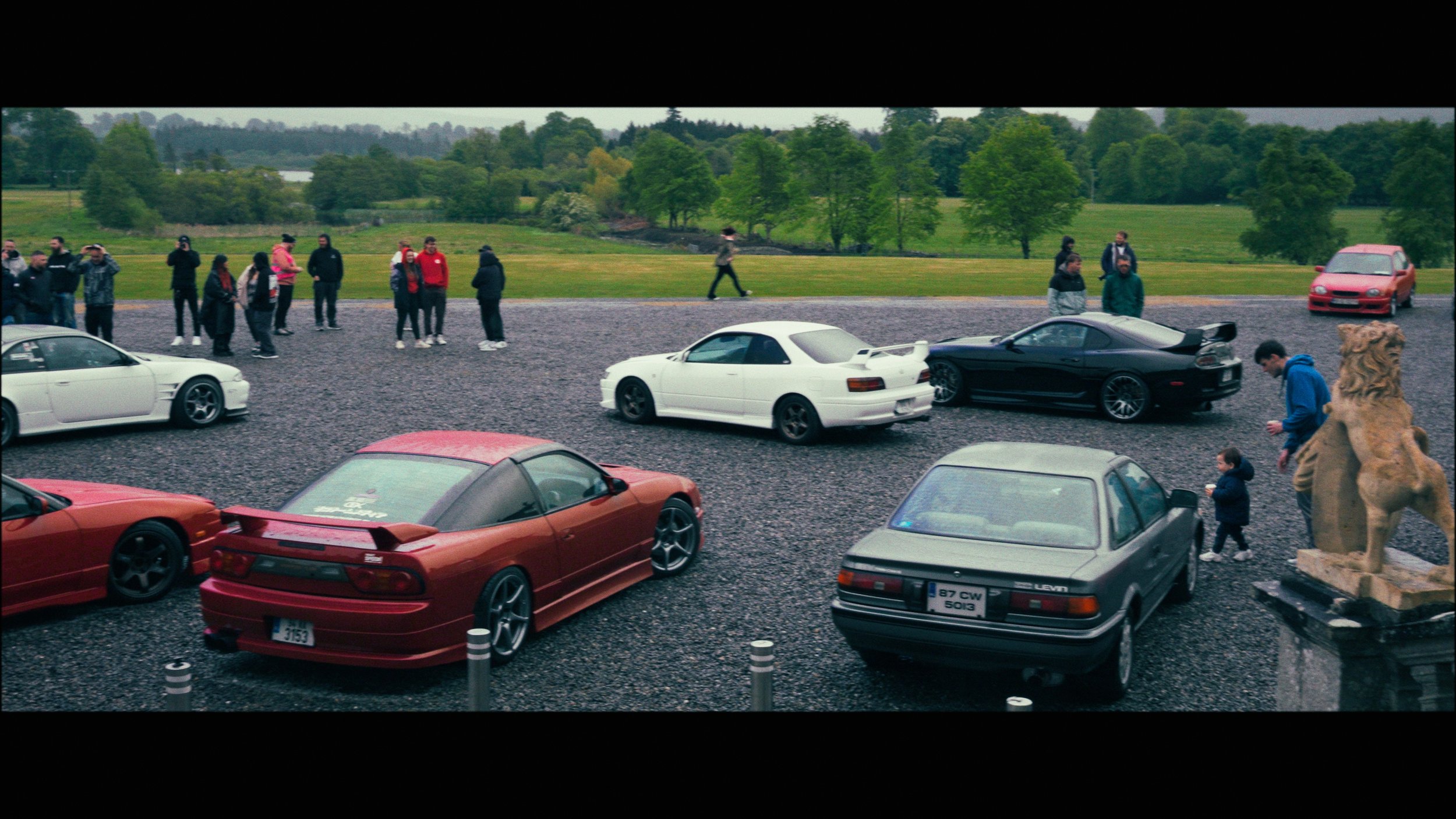
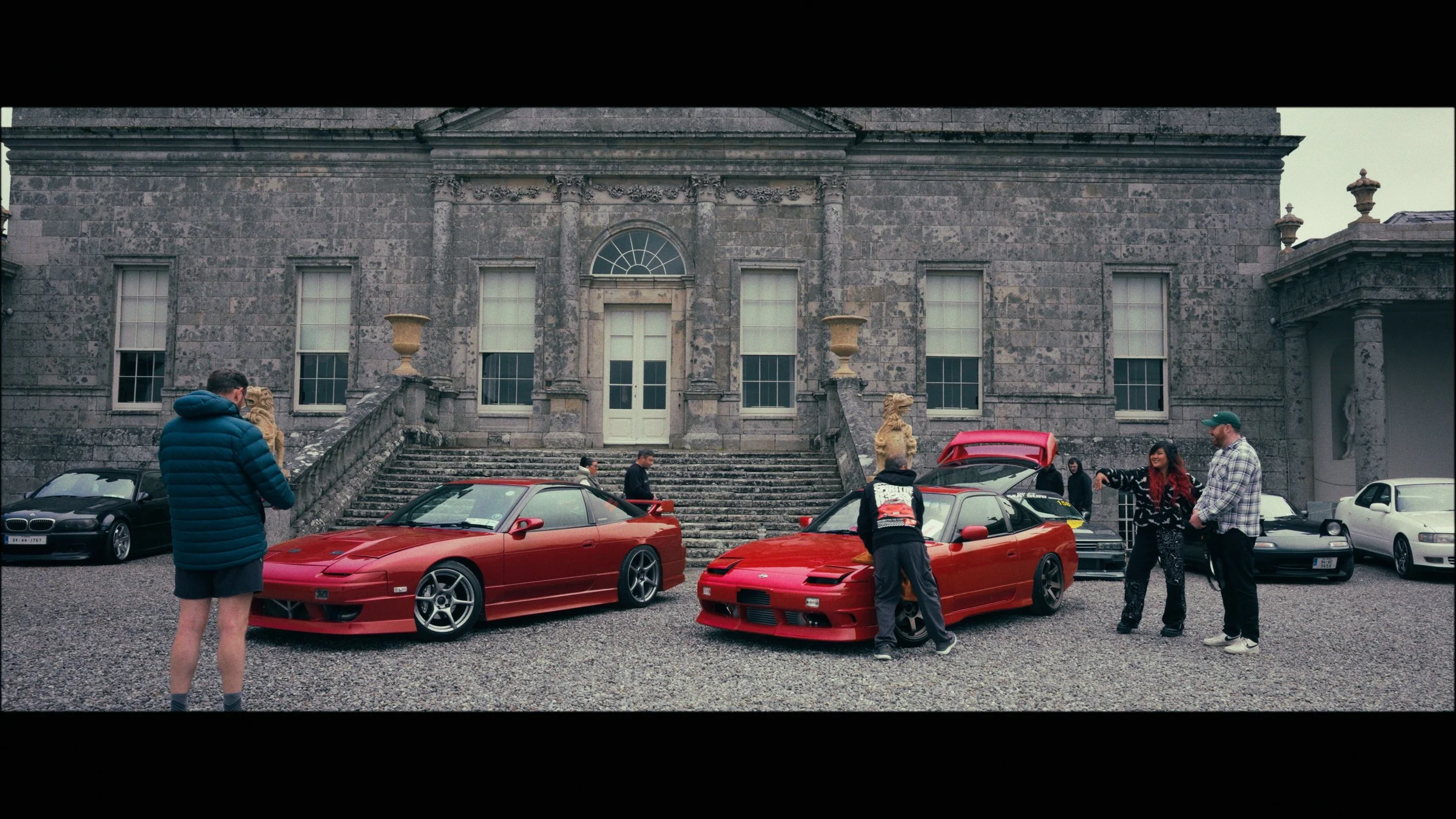
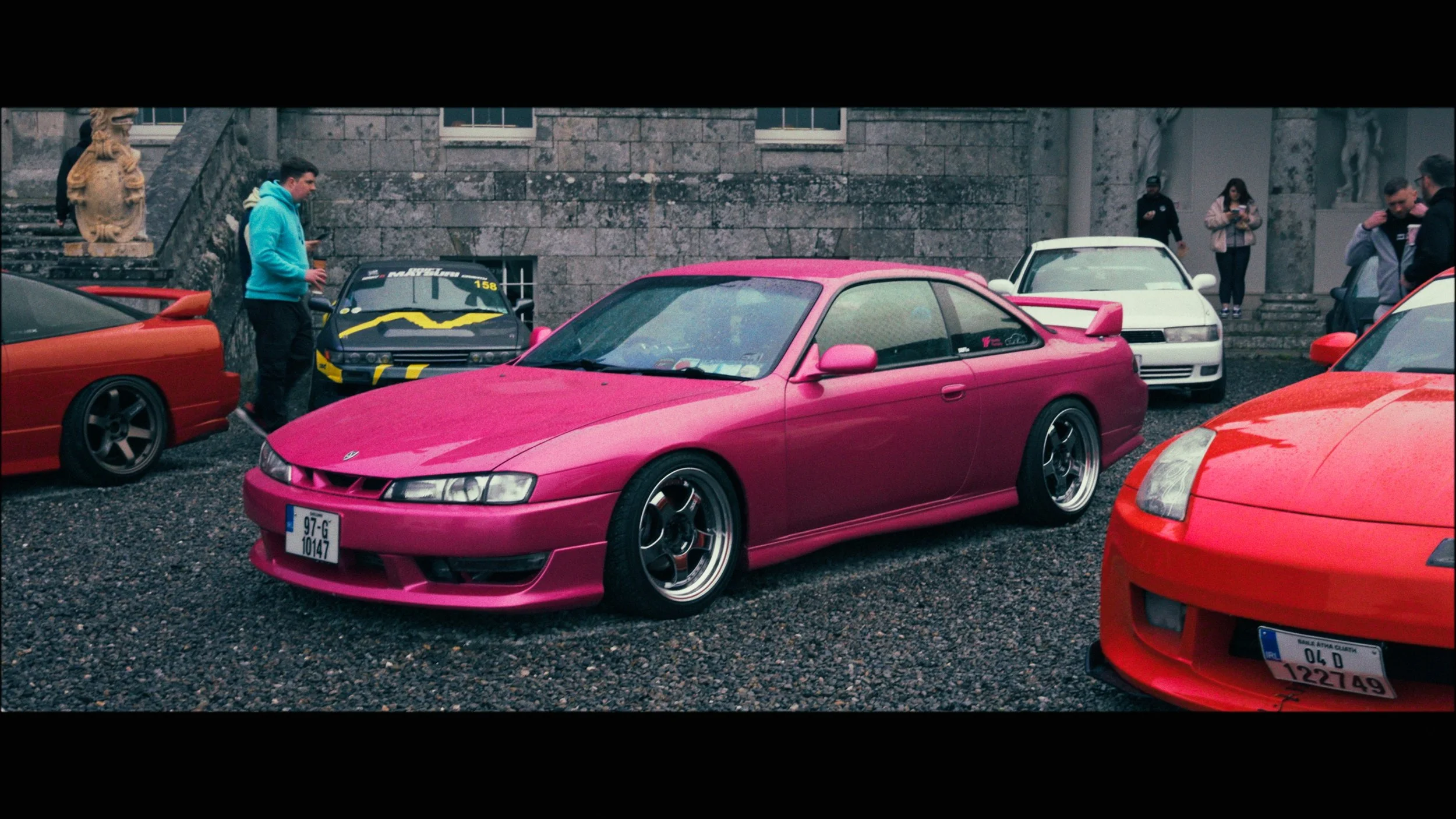
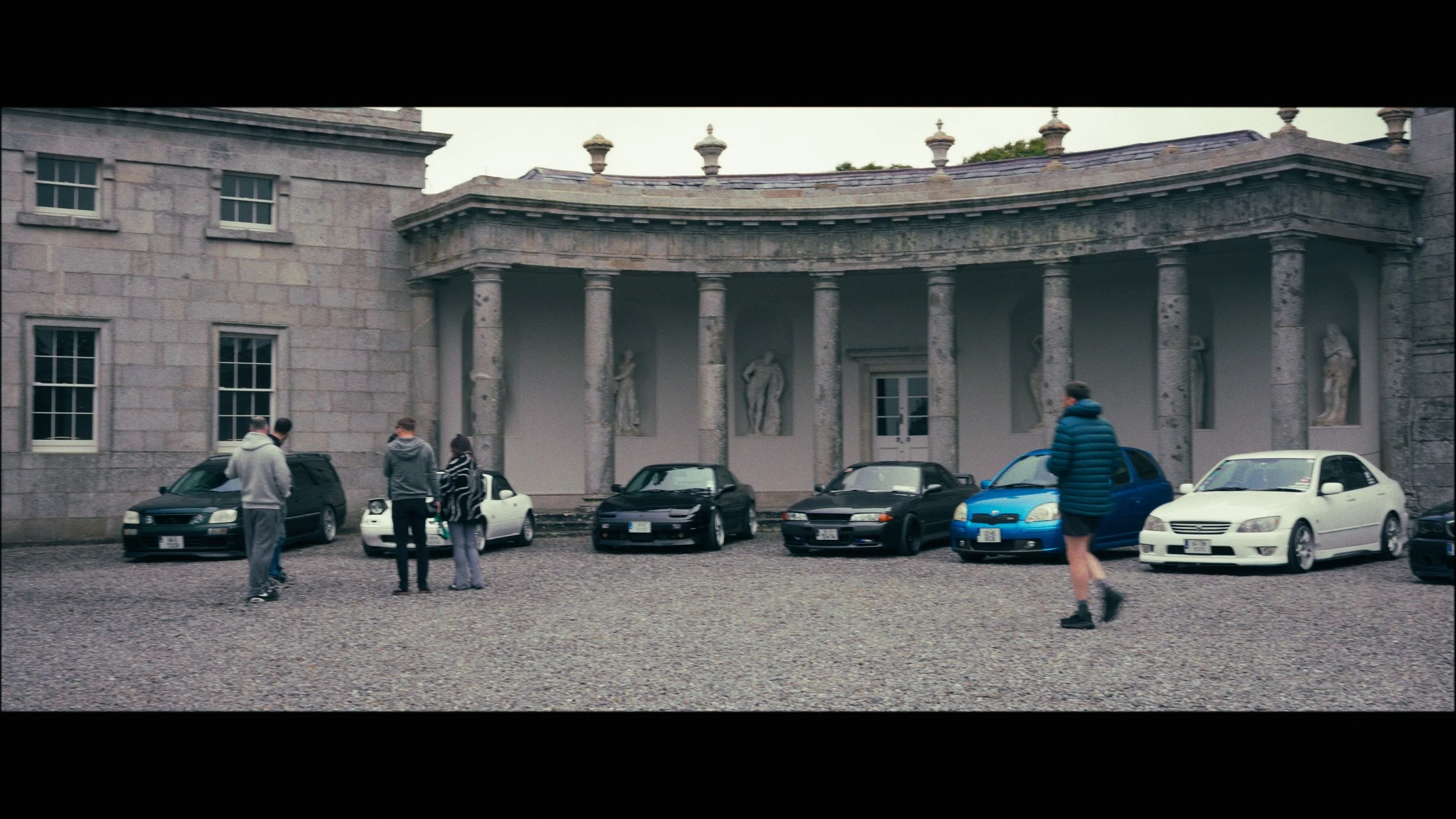
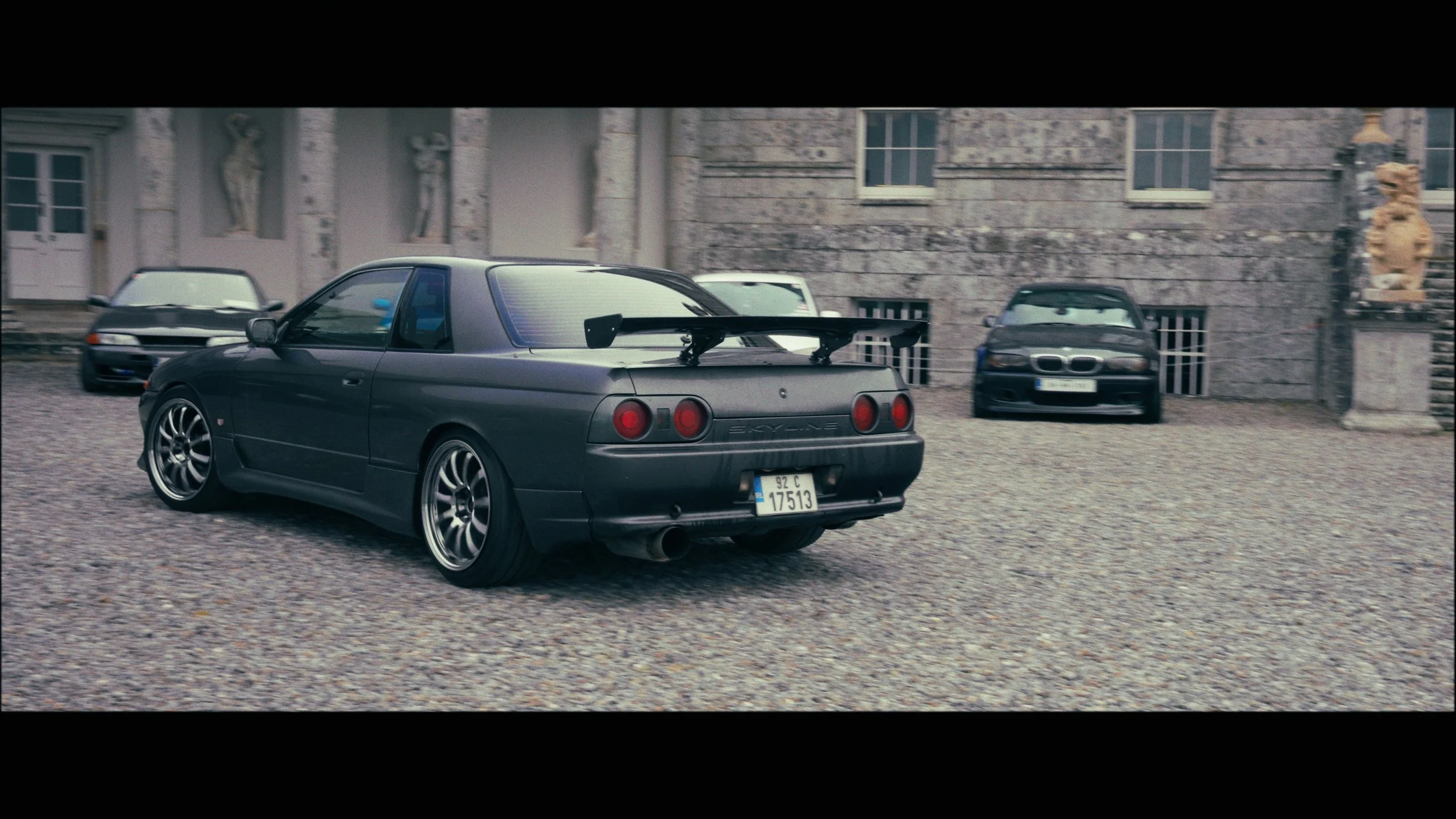
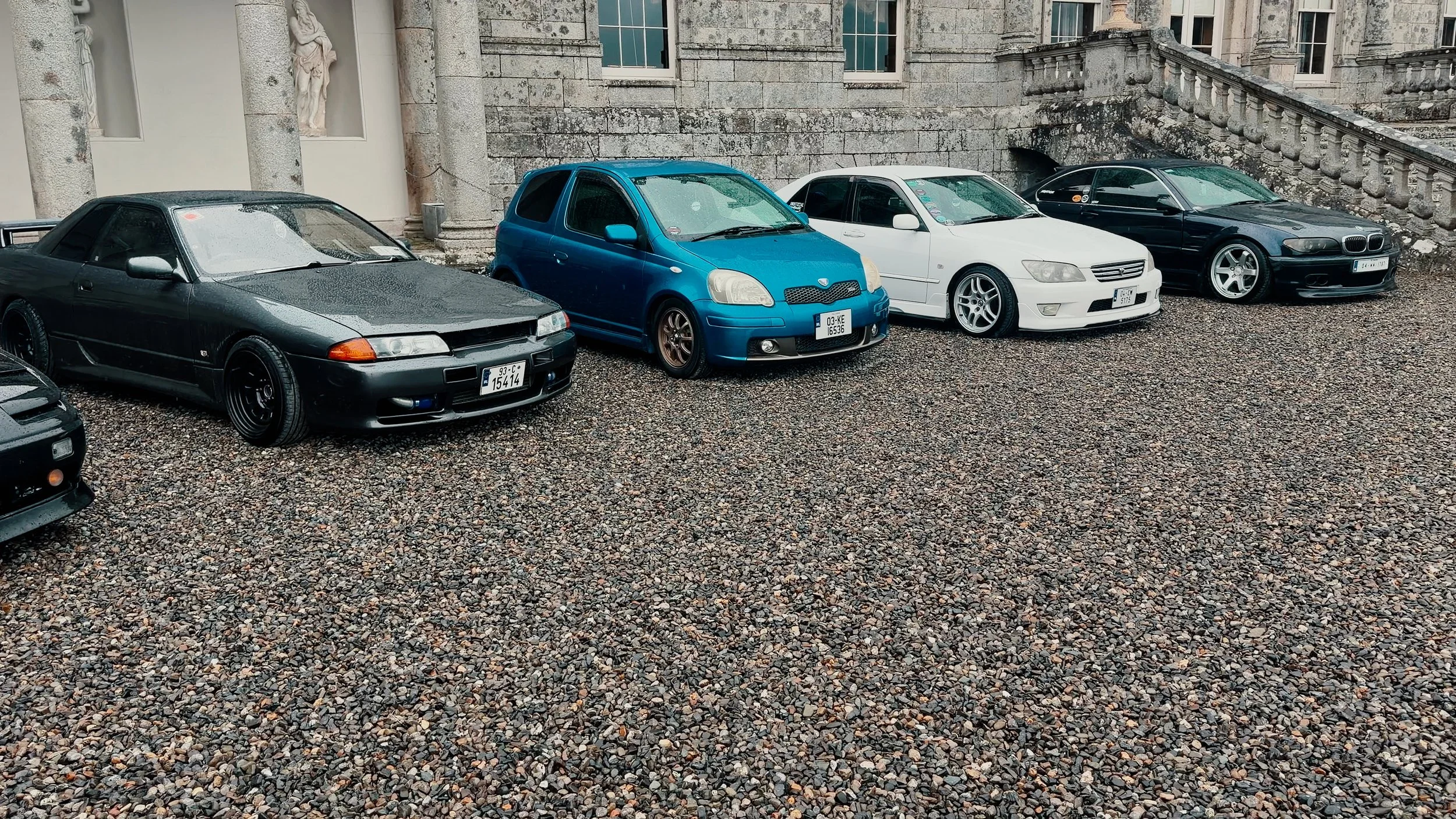
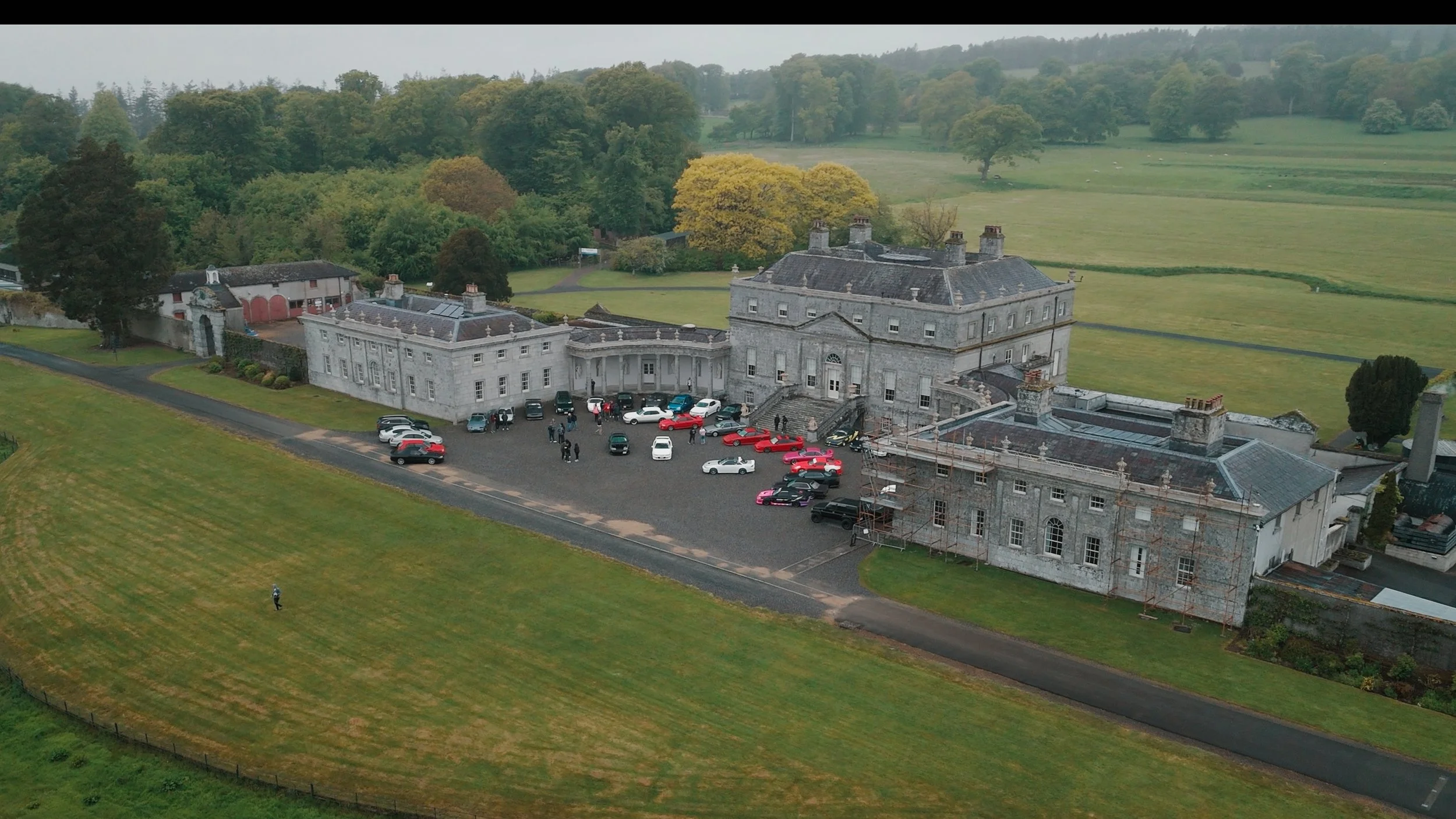
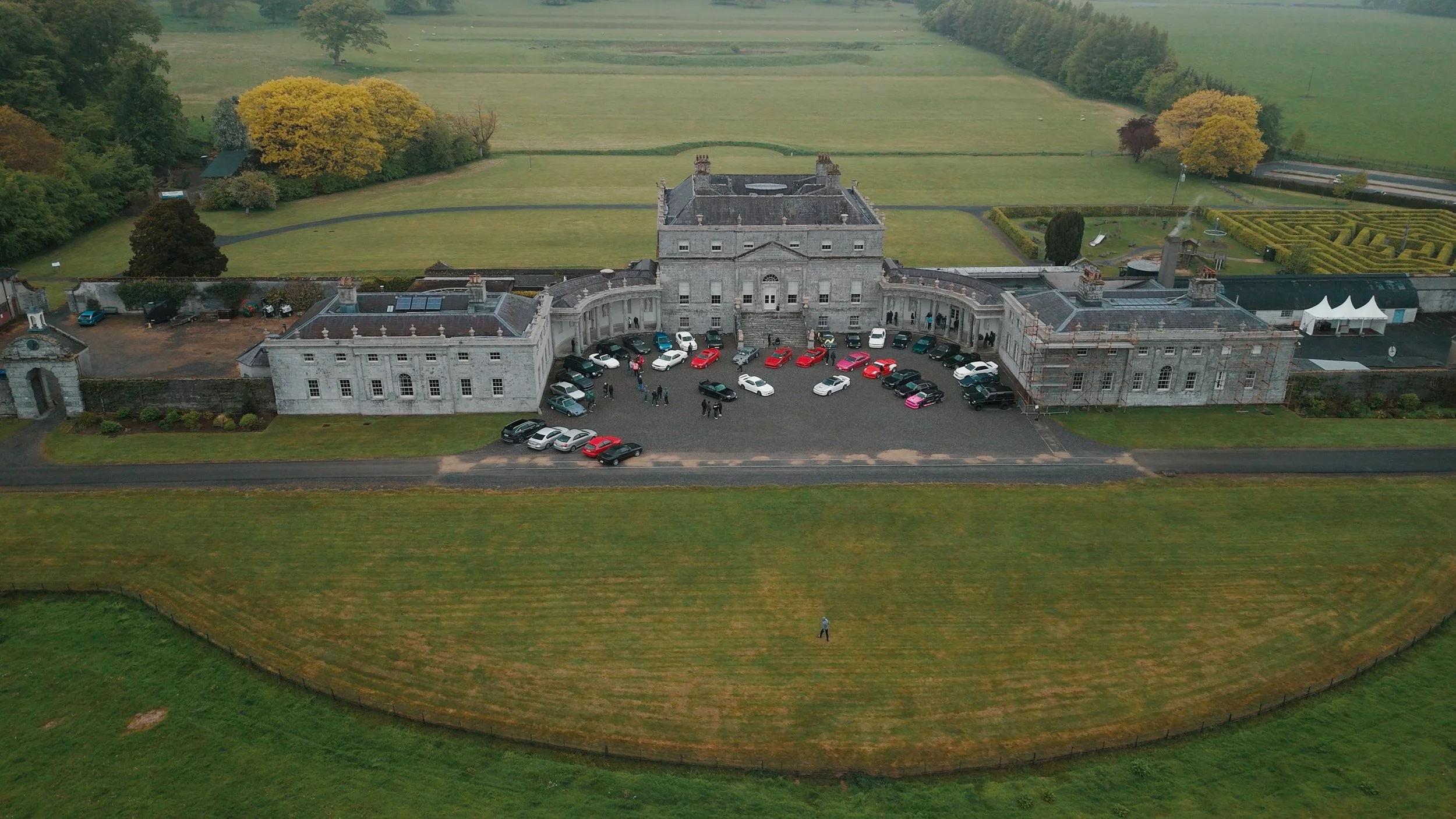
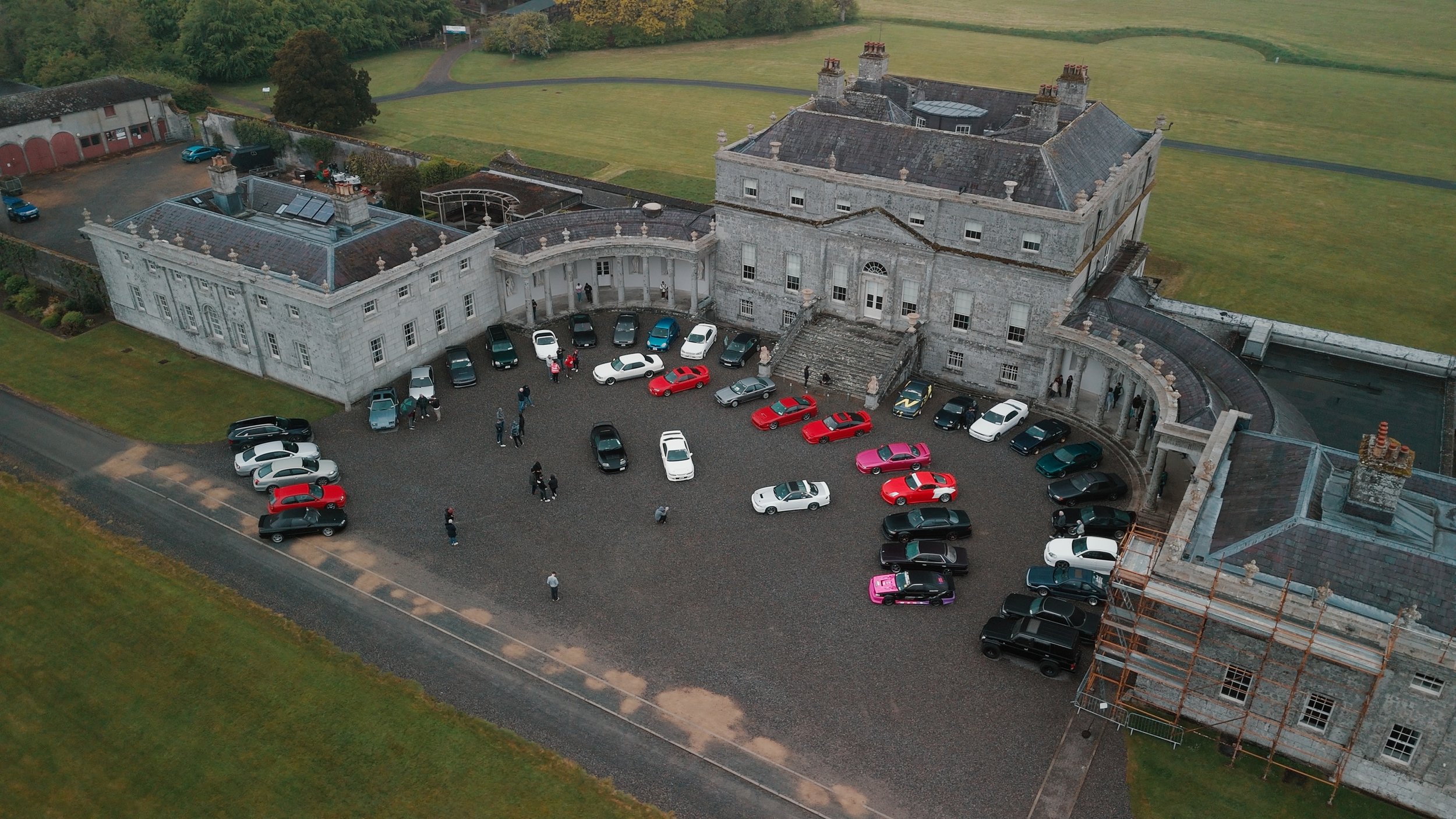
We’re starting the day at Russborough House, which, is a slightly strange place for all of this. It’s a stately home, built around 1755, a place that feels rooted in a completely different version of Ireland than the one I know — gravel underfoot, park runners wandering around, people out for a calm morning coffee—and then out front there’s a line of old Japanese cars idling away like they’ve somehow taken a wrong turn at the bottom of the touge.
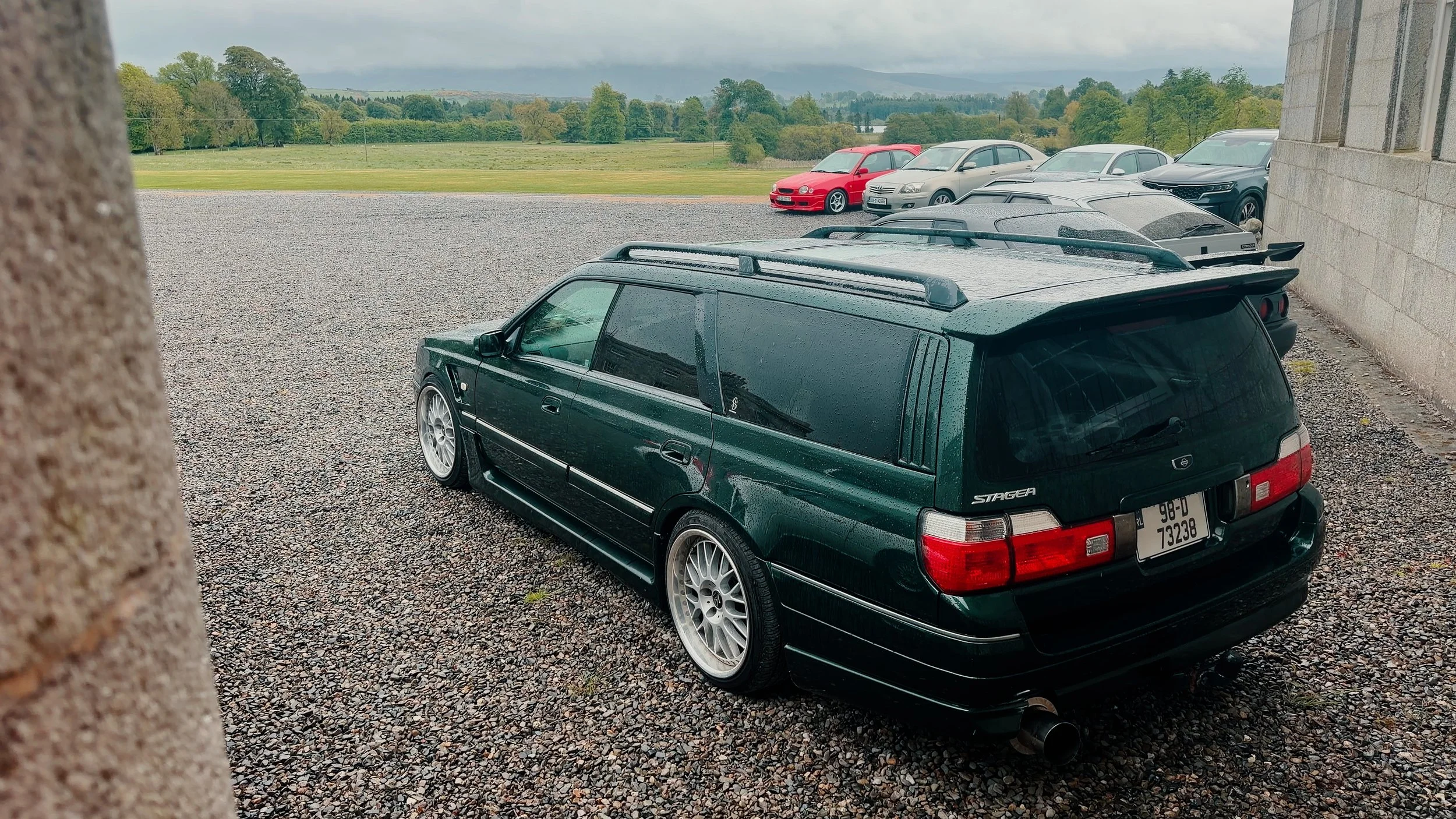
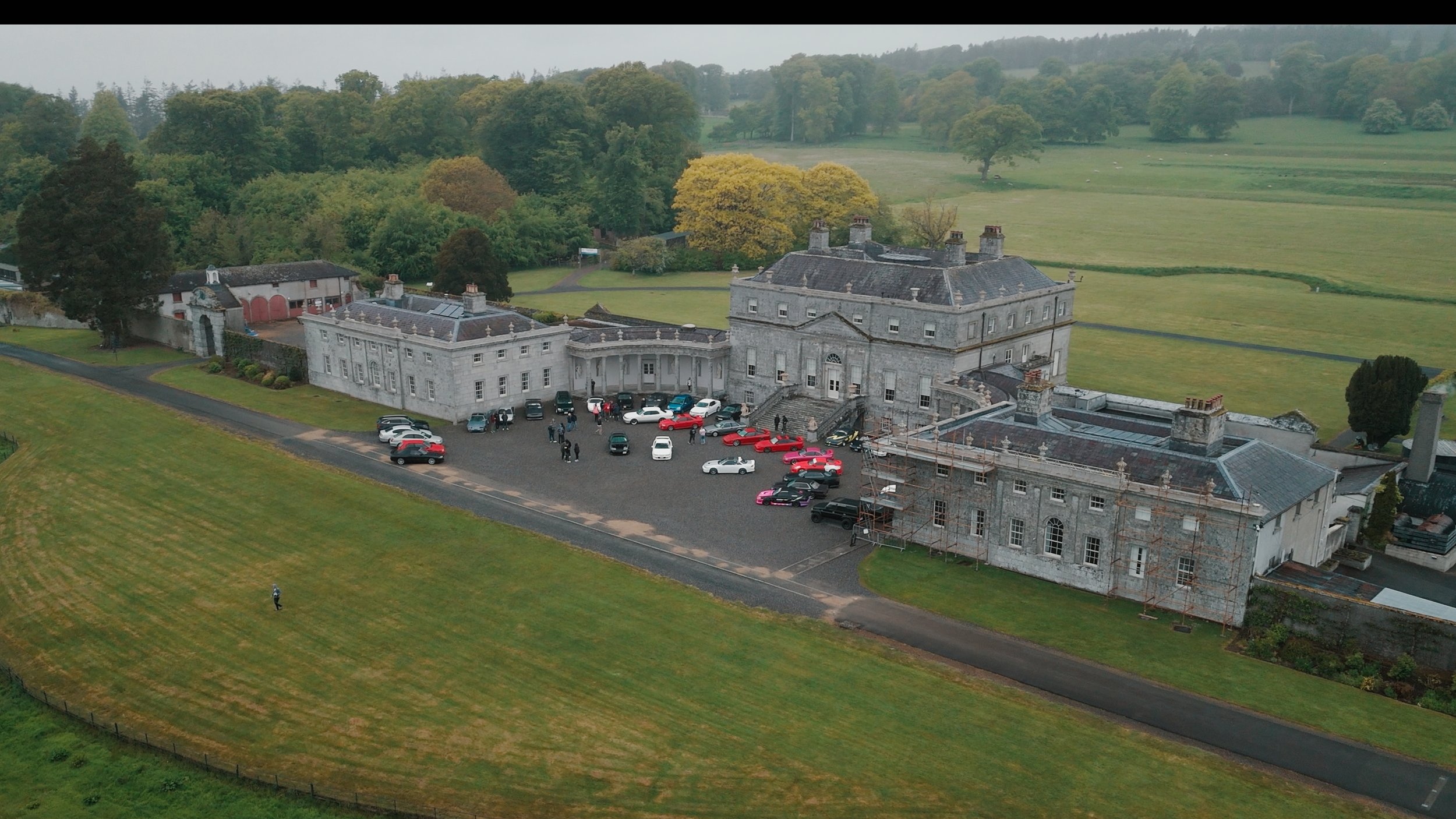
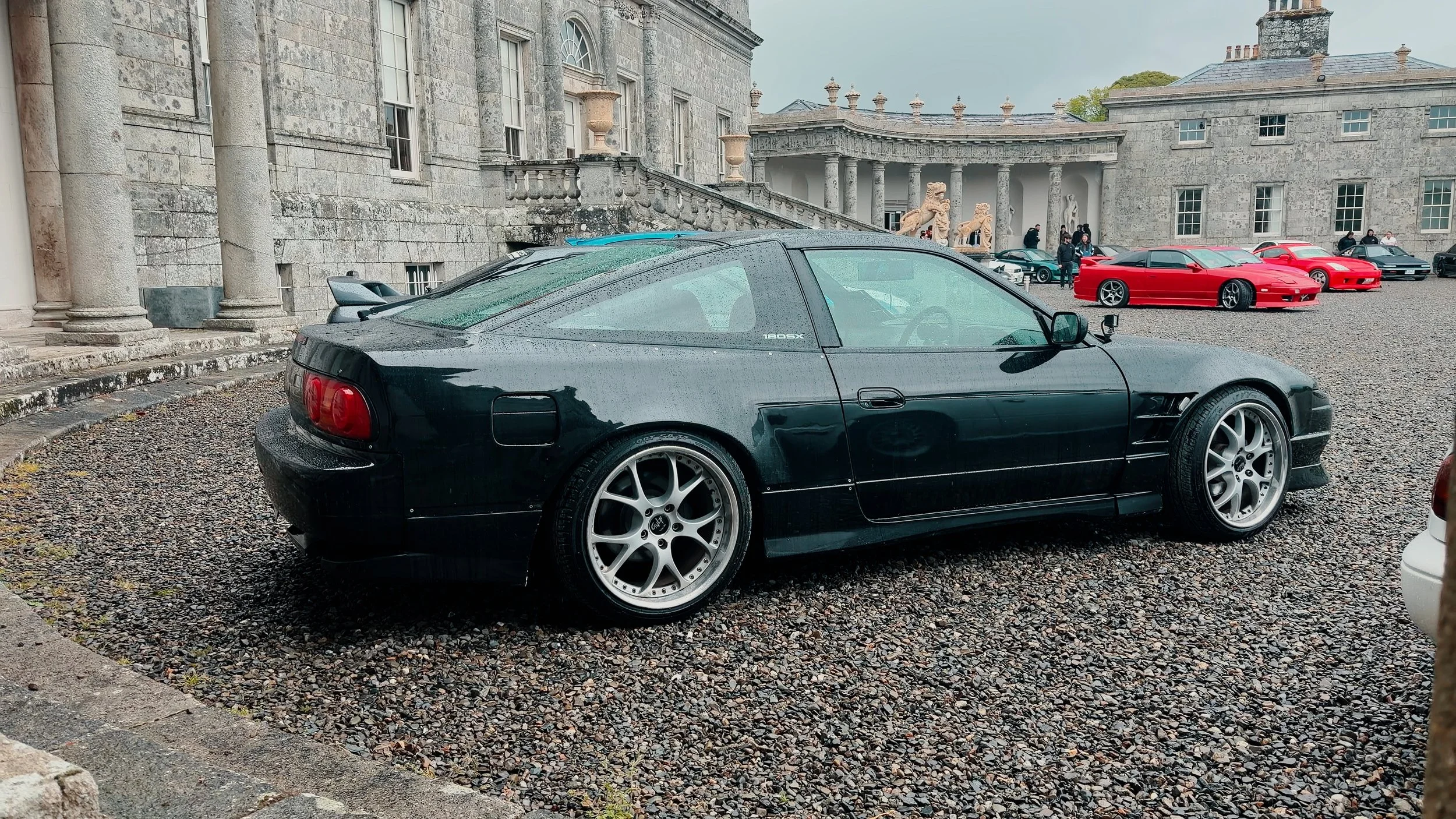
But that contrast is exactly why it works. Because none of these cars were ever meant for this setting. And that's exactly why I've brought them all here. They were designed for completely different environments—dense city streets, mountain roads in Japan, late-night runs on expressways—and yet here they are, parked in Wicklow, placed into a scene they were never designed to be part of.
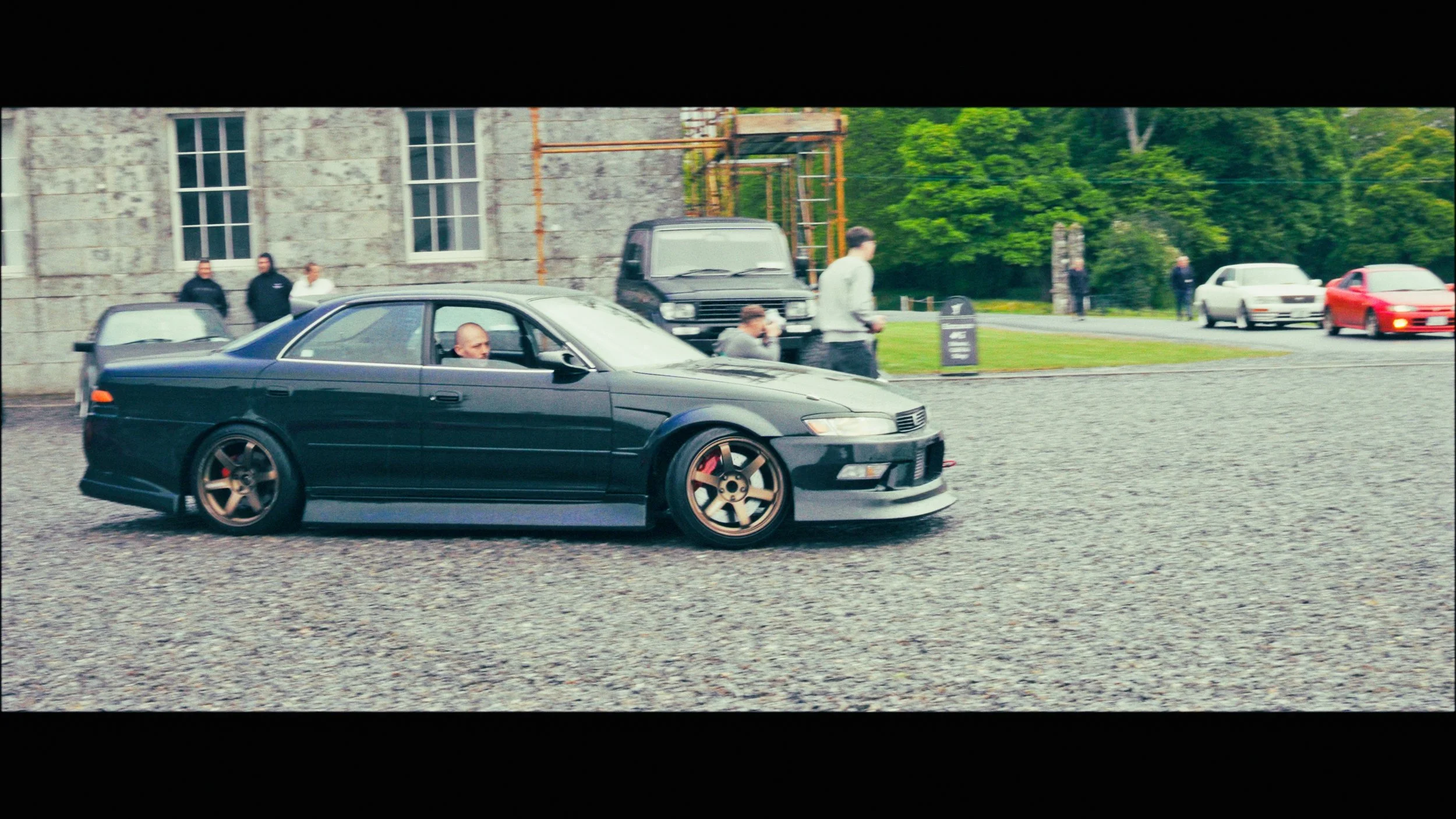
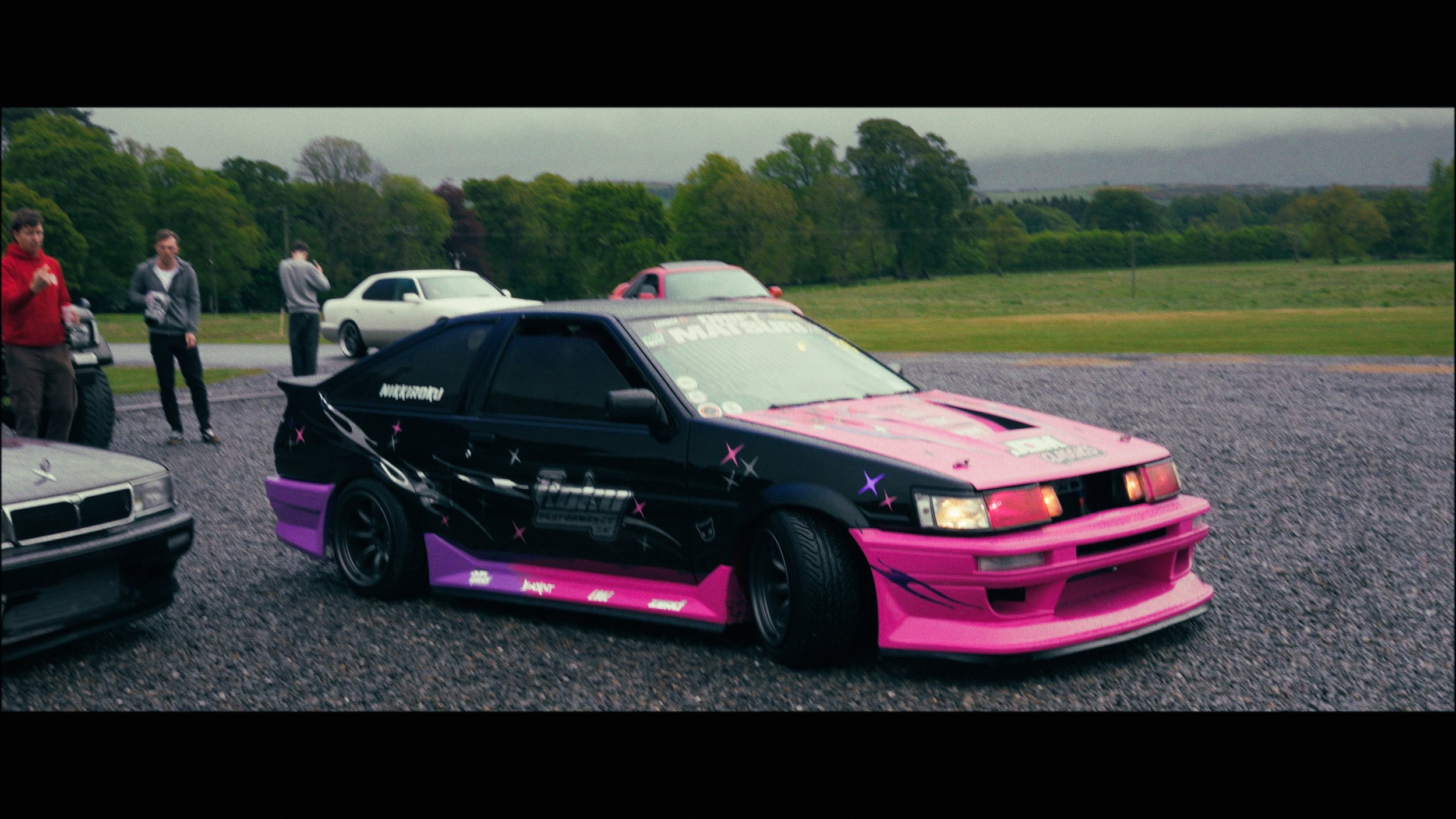
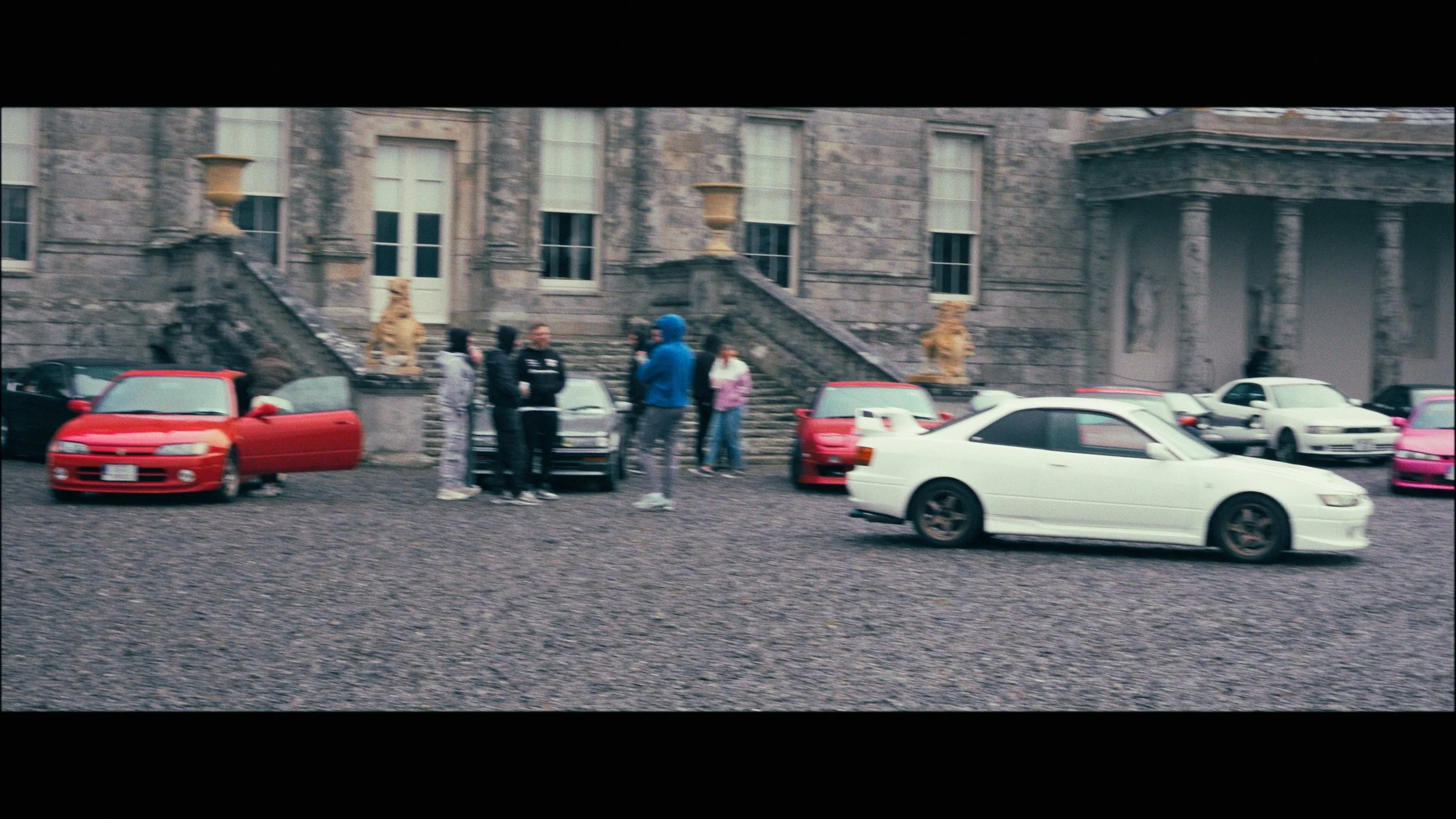
There’s a great mix as well, which is what makes it interesting. You’ve got cars from the 80s that are raw and visceral, simple in the way they deliver everything, with no real attempt to hide what’s going on. 90s cars, which for a lot of people here are the ones that really matter—the ones that built the culture, the ones that showed up in magazines, in videos, in games, shaping what people thought a car could be. The perfect blend of mechanical efficiency and electronic advancement. And then the early 2000s stuff, which still doesn’t feel that old until you park it next to something modern and realise just how much things have changed.
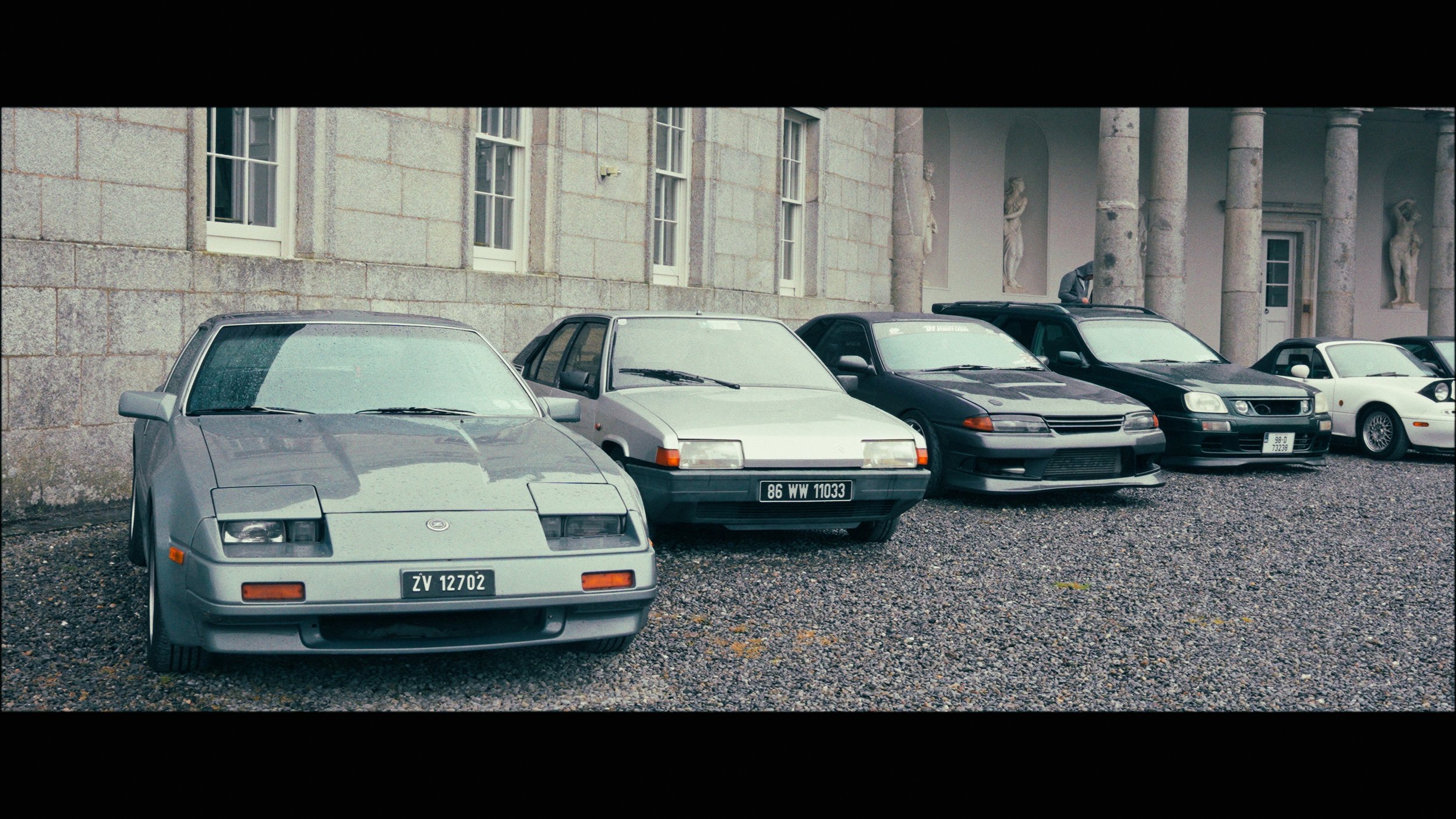
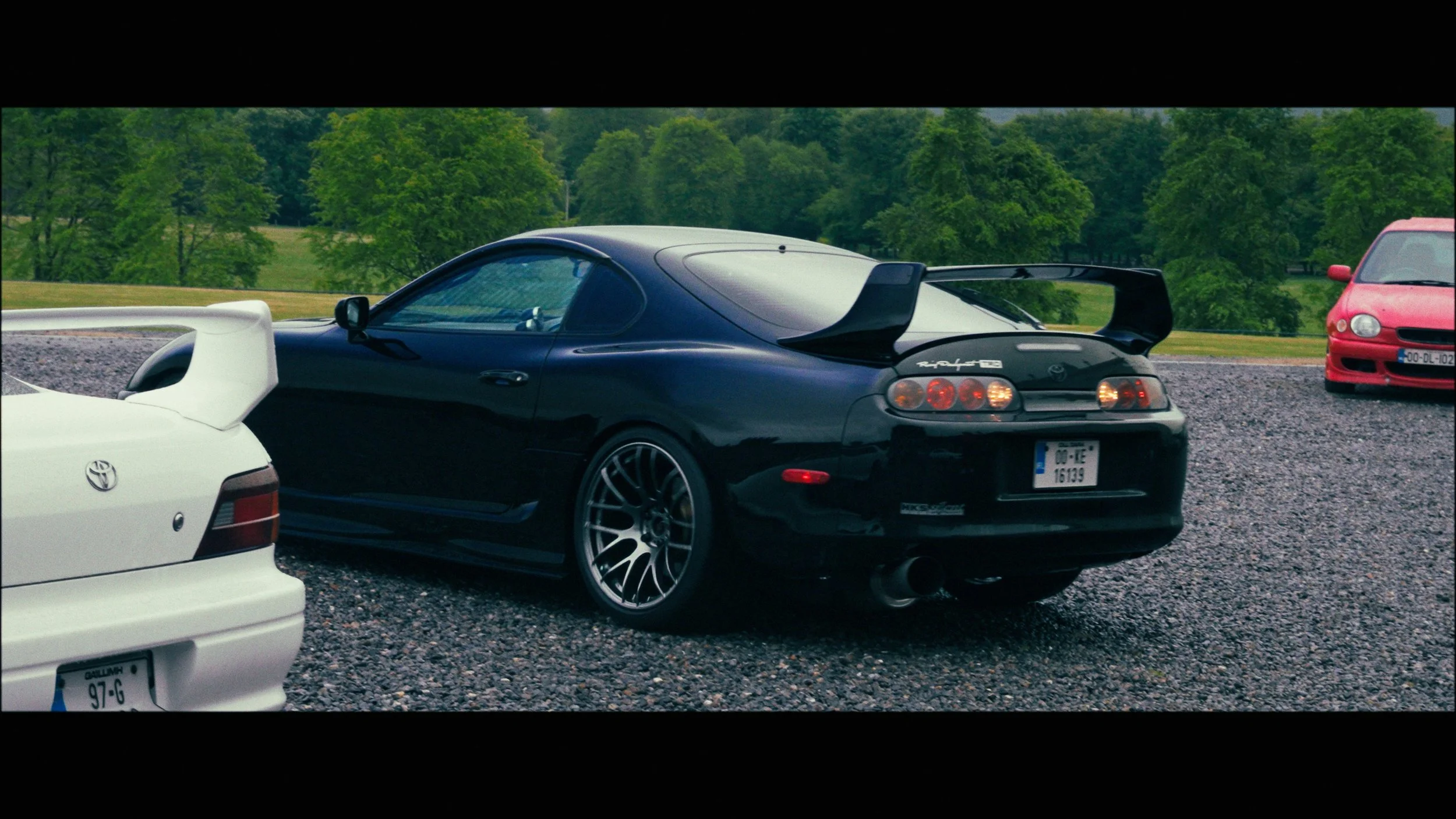
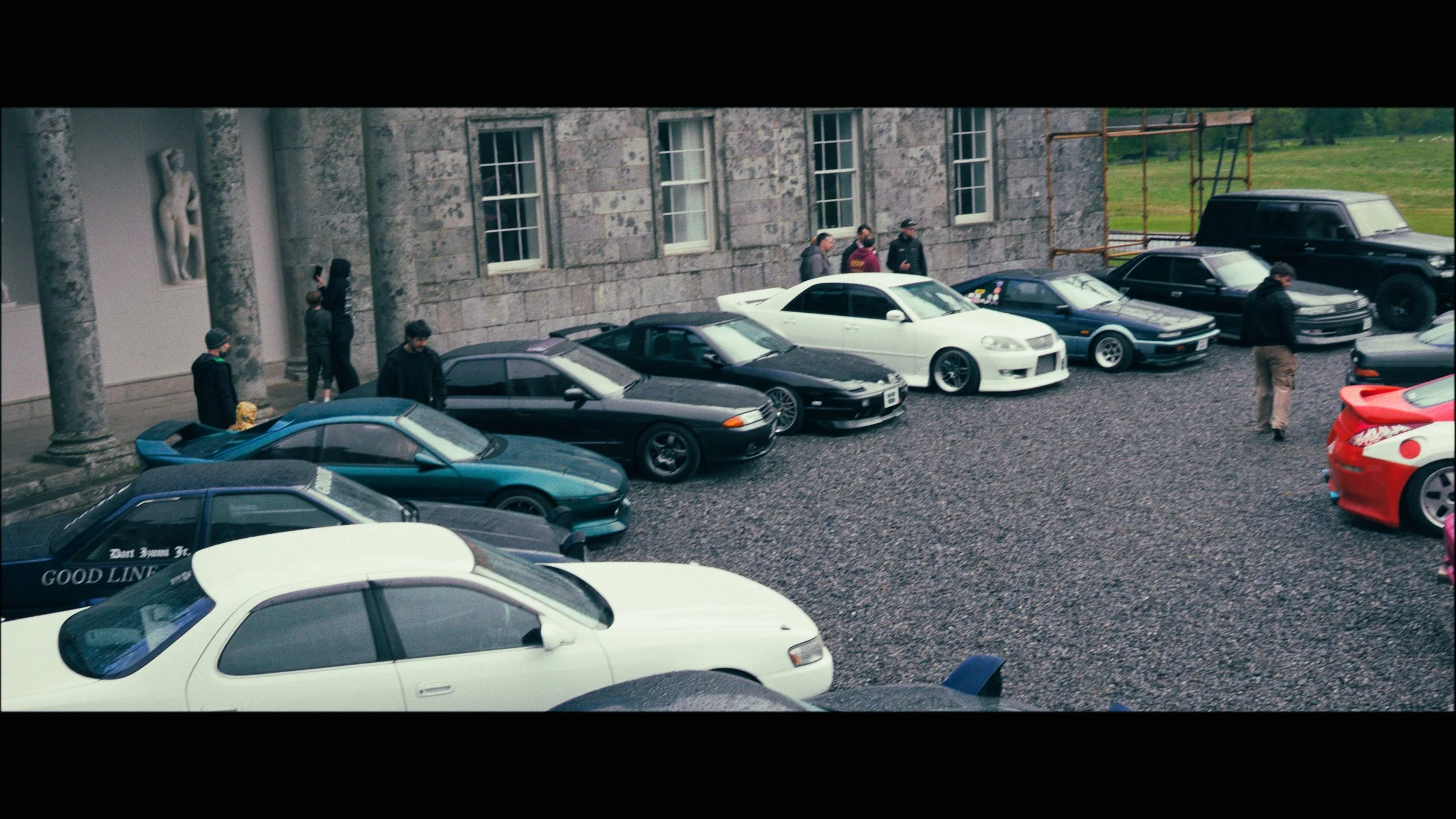
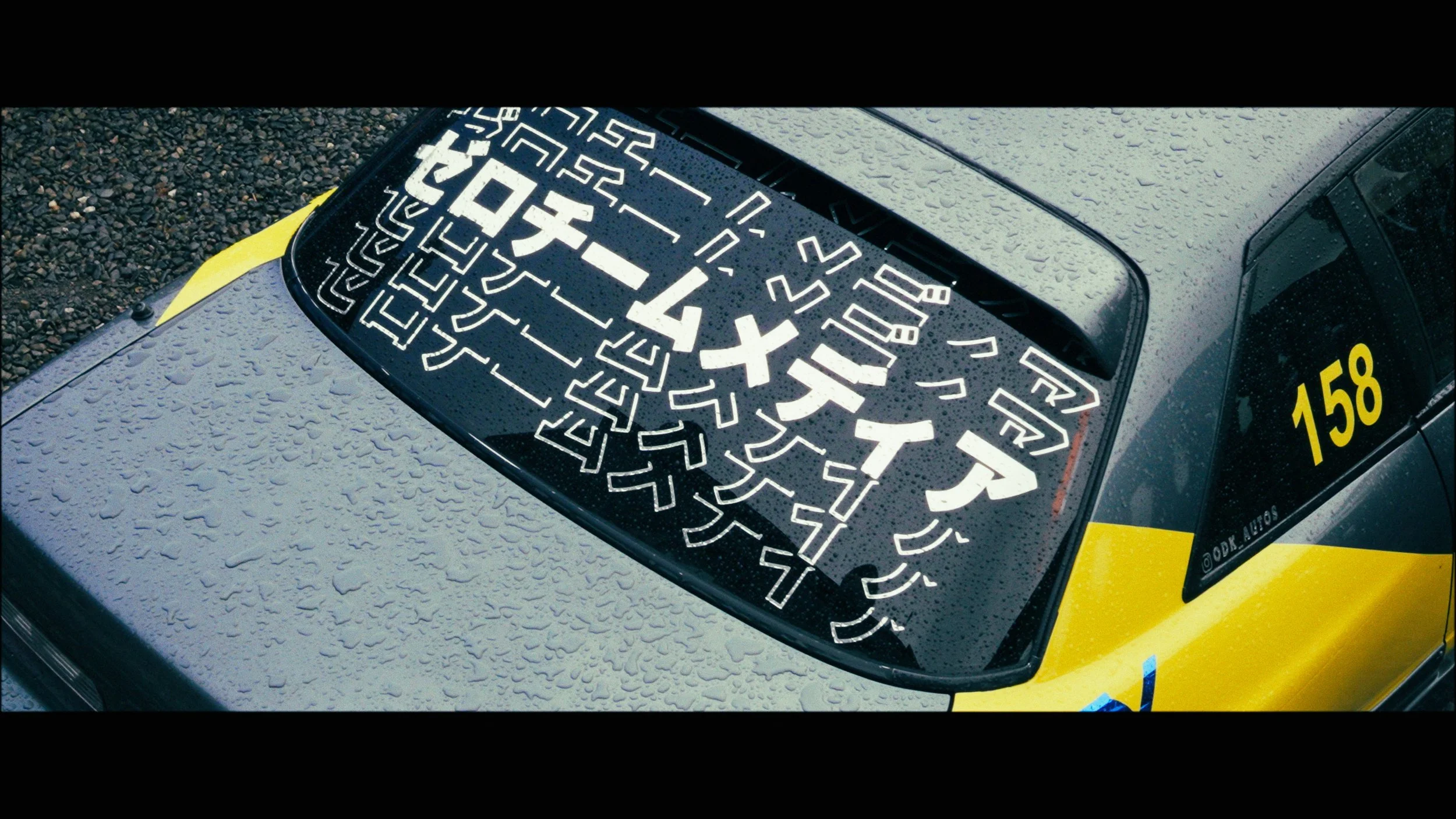
It doesn’t feel like a show, which is important. There’s no pressure here for everything to be perfect, no one constantly wiping things down or trying to present something polished. People are just standing around, talking about what they’ve done to their cars, what’s gone wrong recently, what still needs to be fixed—which, realistically, is always something. And that’s where most of the value is, in those conversations that happen naturally without anyone trying too hard.
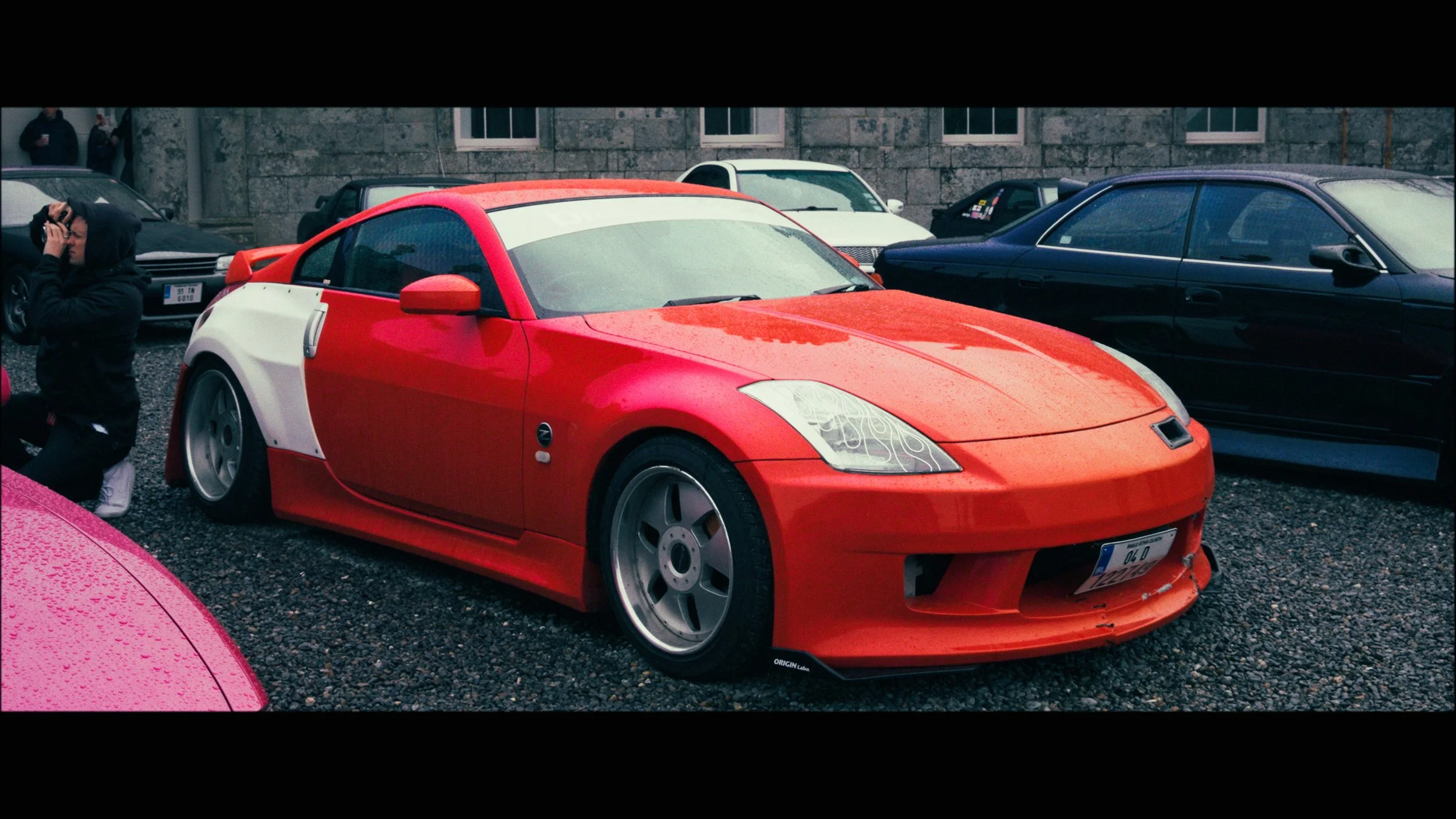
By the time midday comes around, things start to shift without anyone really needing to say anything. Engines begin to turn over again, doors close, conversations trail off, and there’s that quiet understanding that it’s time to move on. A quick flick of the wipers as the rain intensifies and then we move on to the portion of the day we all came for. The driving. We roll out of Russborough House and head toward the mountains, and one of the best driving roads this country has to offer, the Wicklow Gap. A road I'm quite fanmiliar with, having driven it in every car I own at one point or another. I've also shot Paddys PS13 and his buddys Ta63 Carina up here back in 2022. As nice as it is to see the cars parked up, that’s never really been the point.
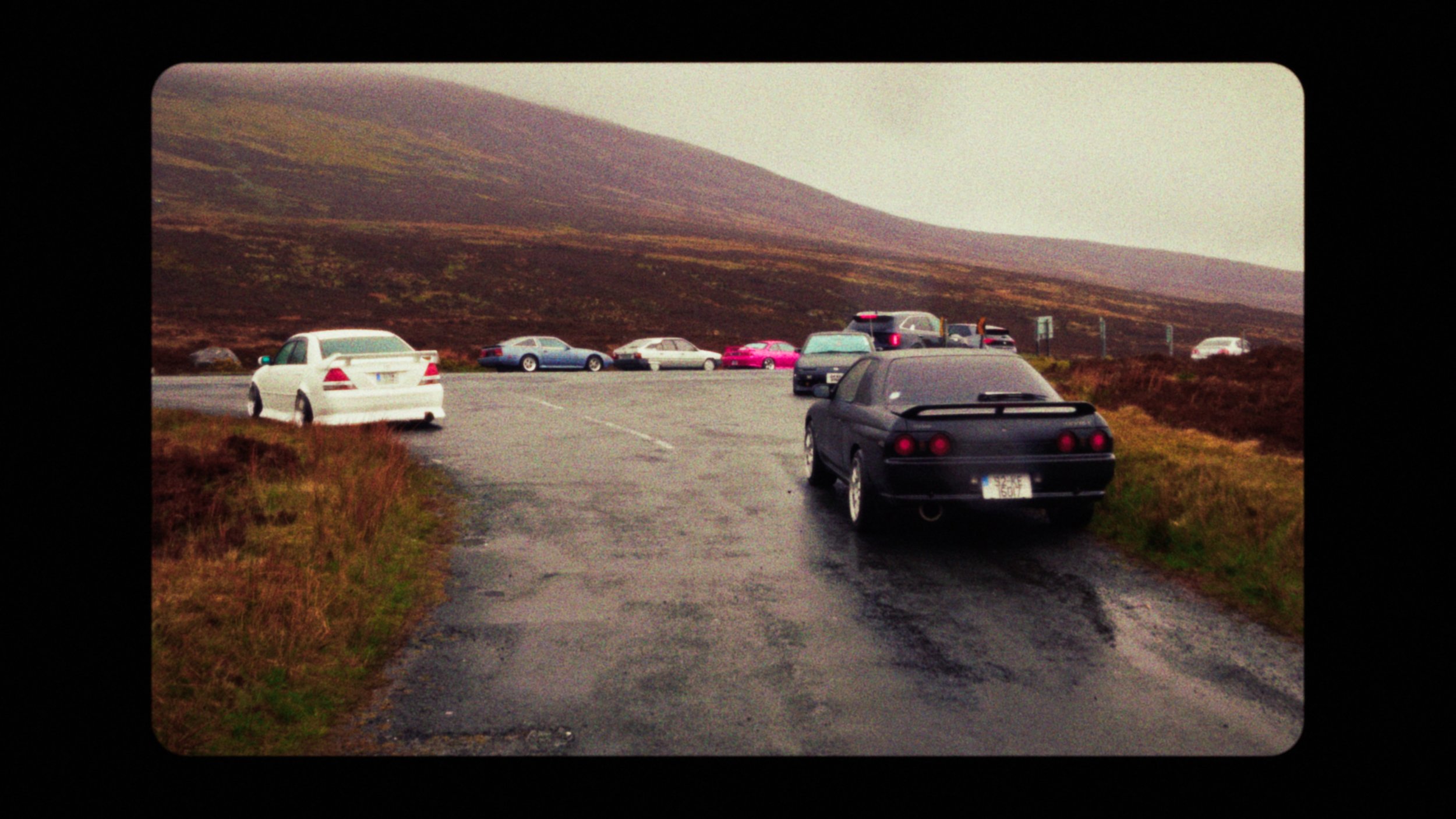
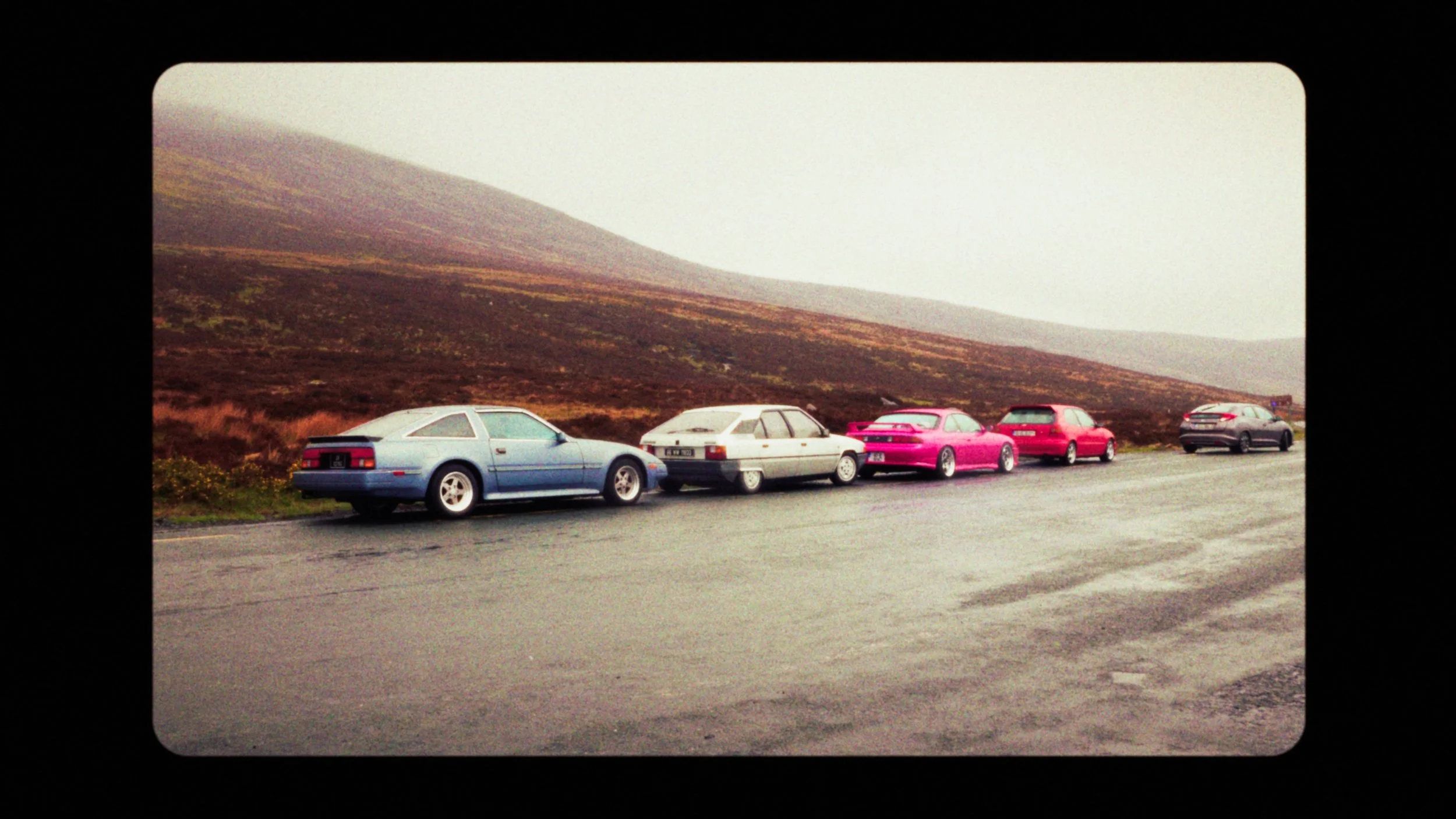
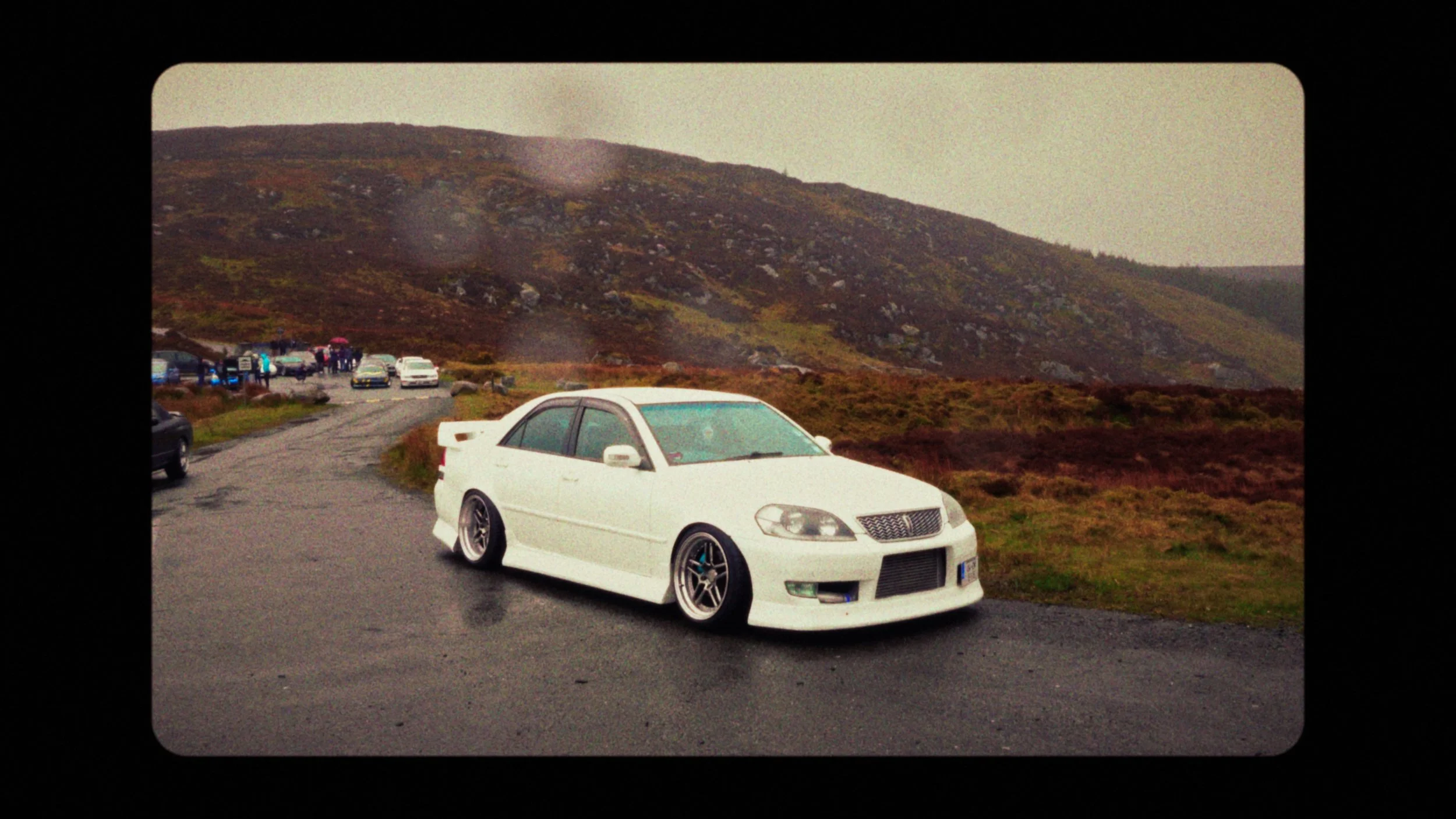
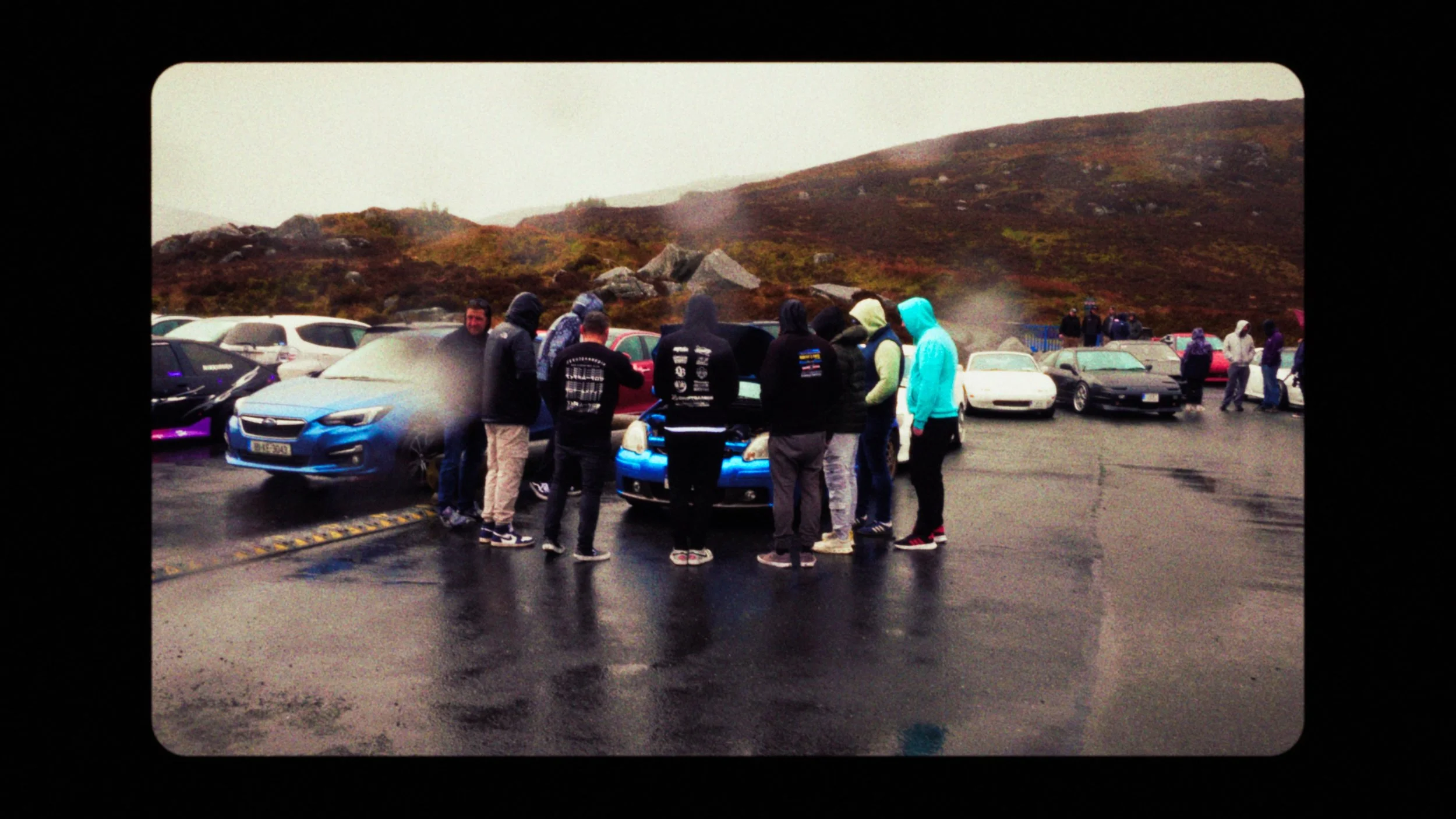
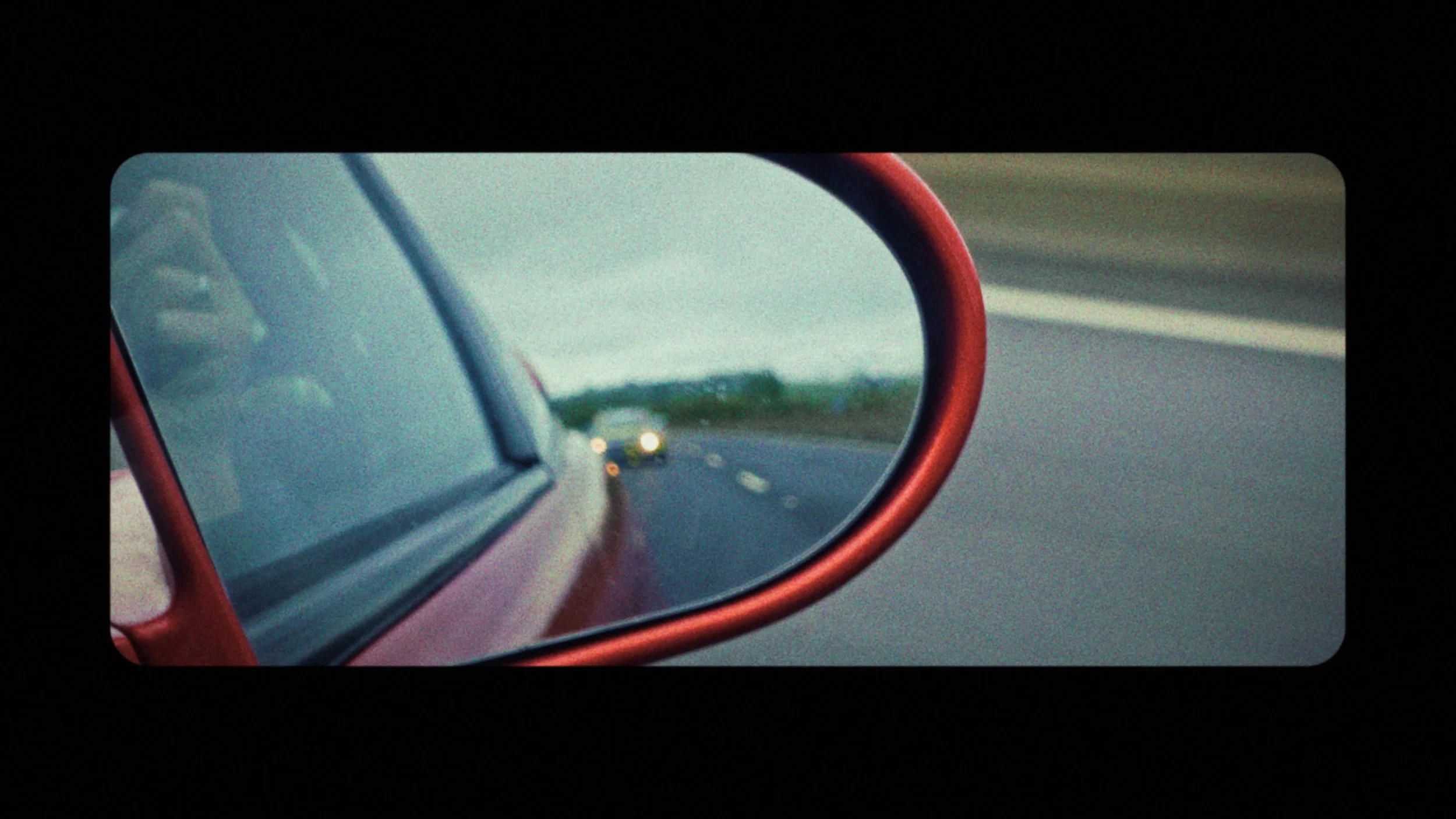
The road leading into the Wicklow Gap has a way of pulling you in without you really noticing at first. It opens up gradually, the scenery stretching out around you, the road becoming less about getting somewhere and mdopmore about the experience of actually being on it. You get longer straights that don’t stay straight for very long, corners that tighten more than you expect, and just enough unpredictability to keep you engaged. The clouds rolling in as we move higher and higher in altitude.
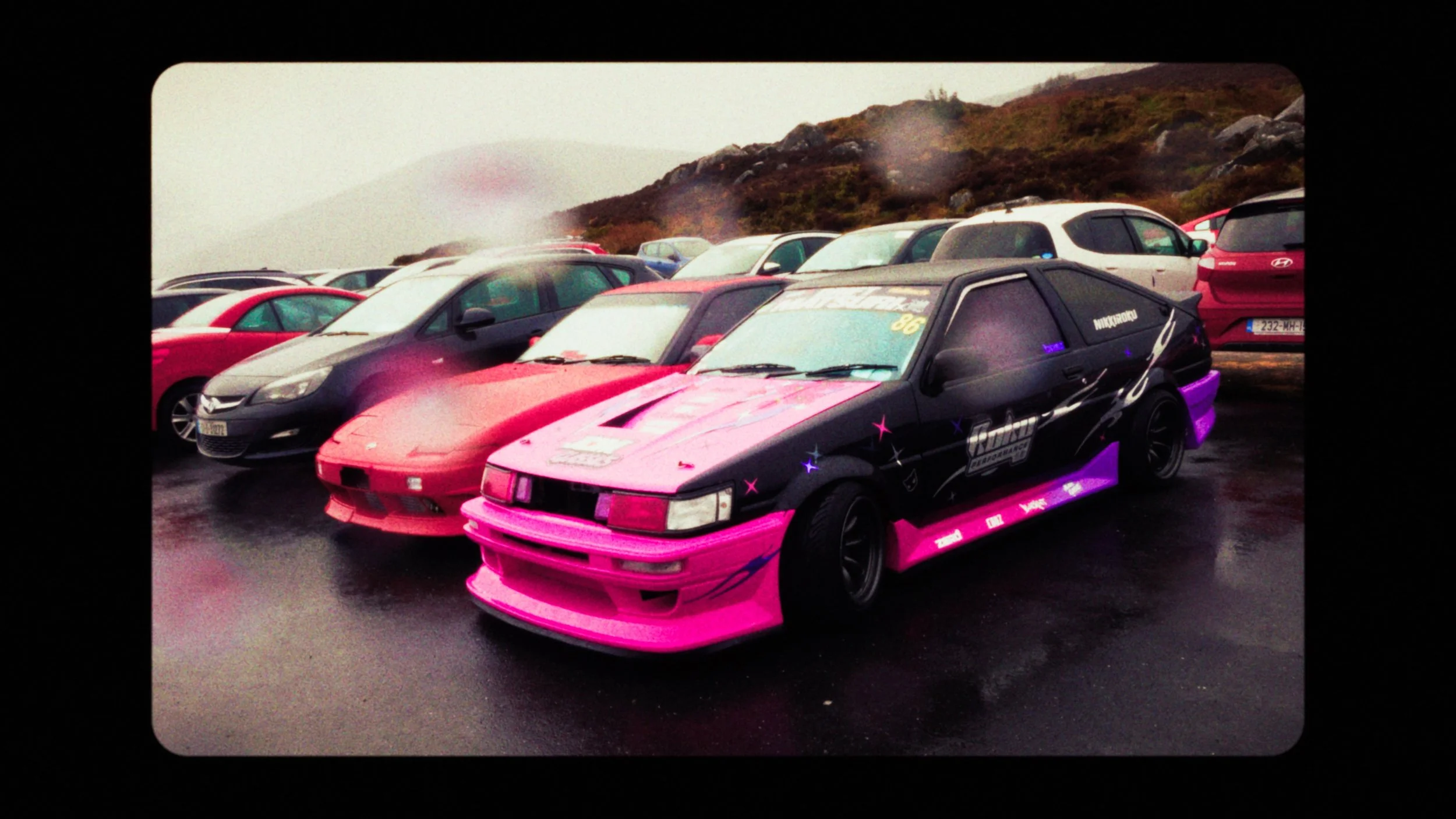
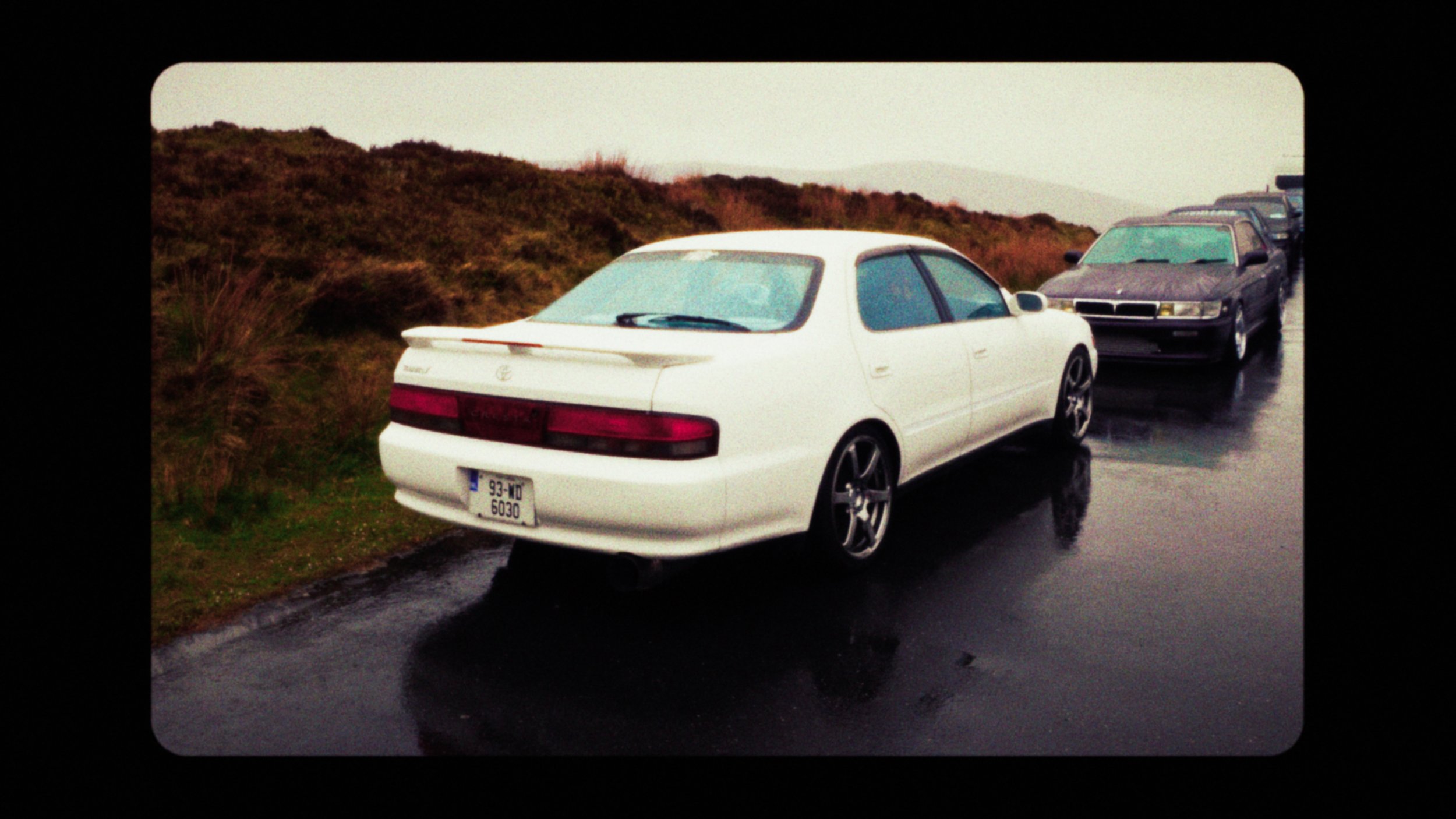
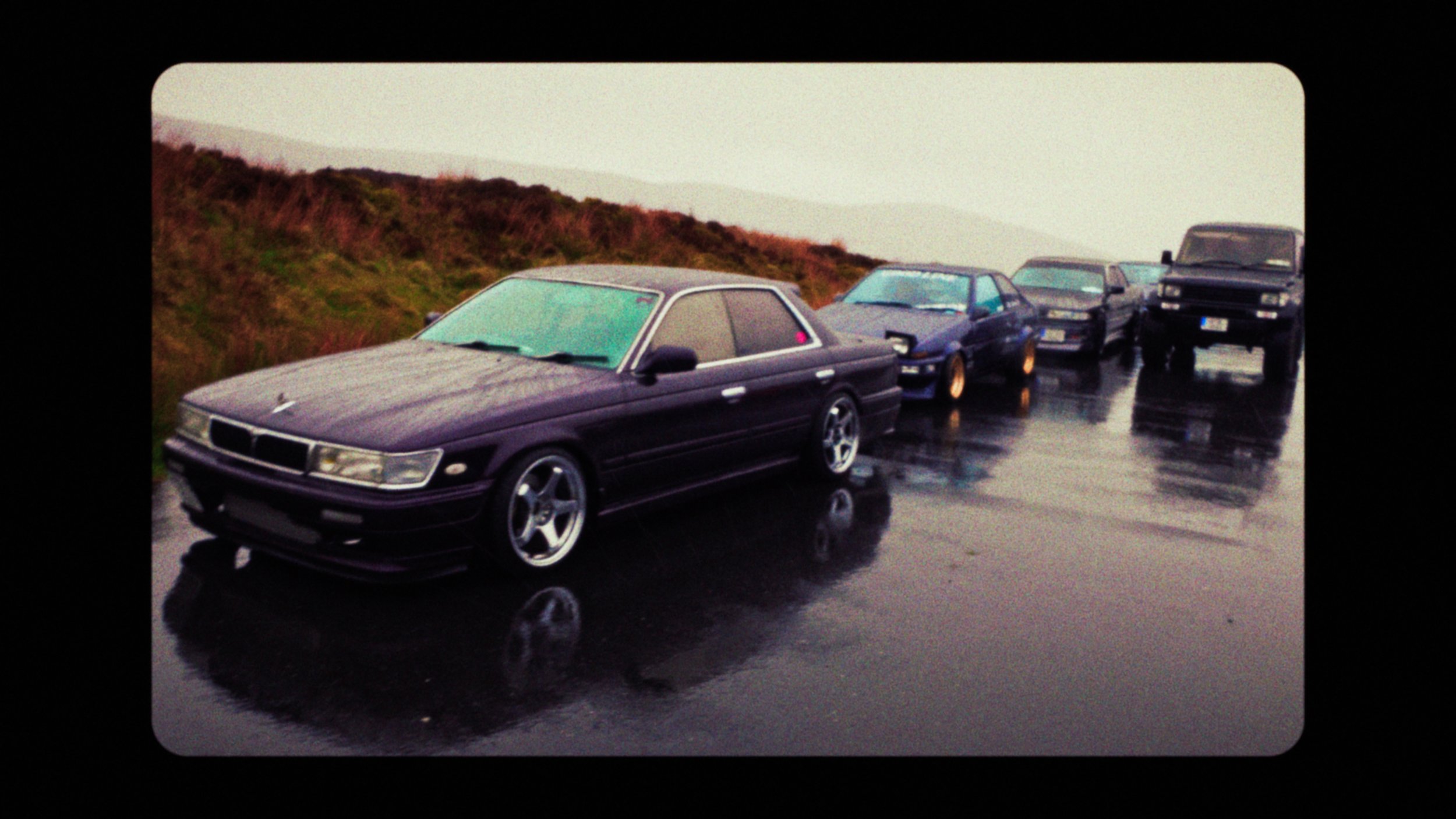
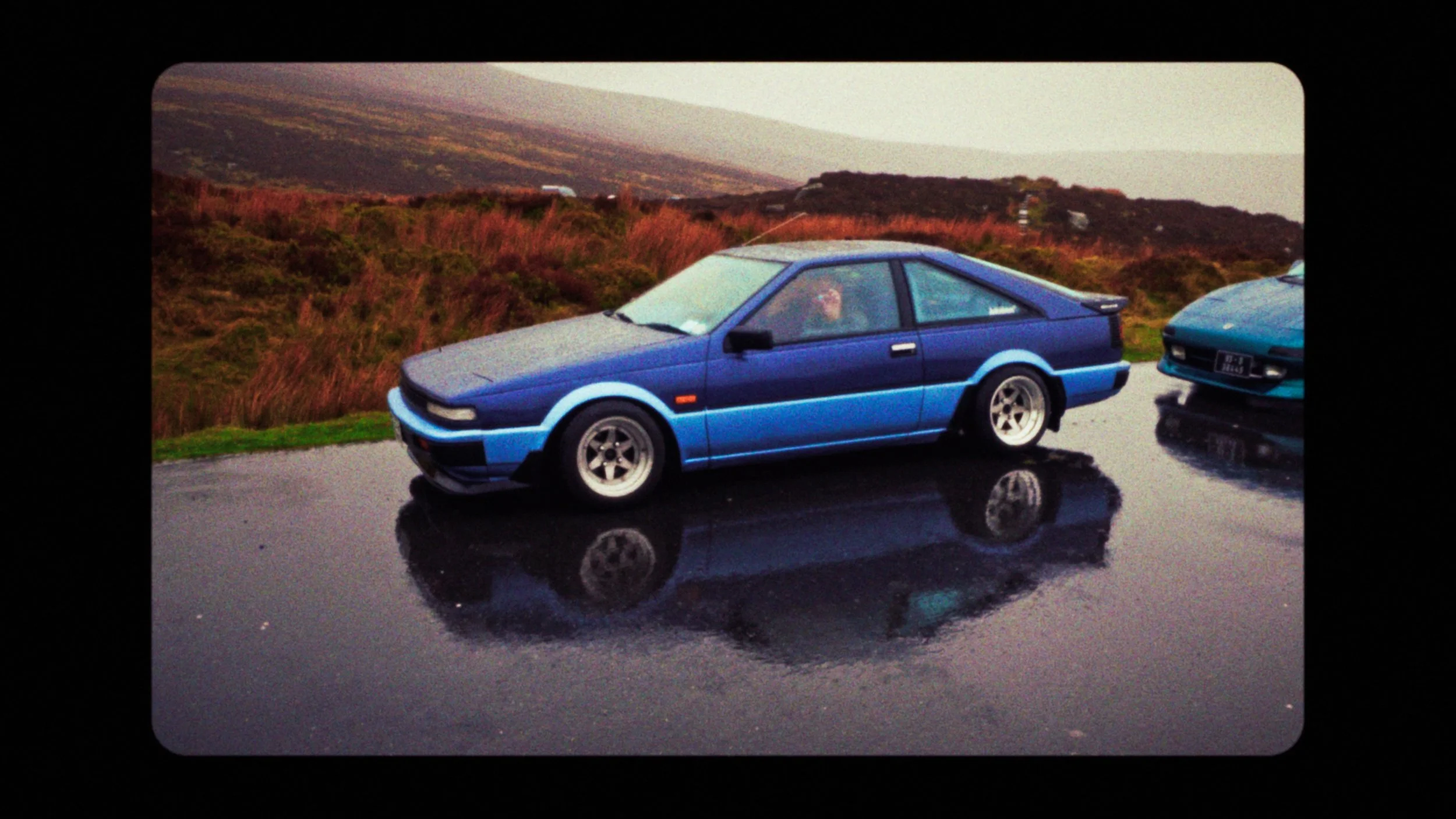
And this is where these cars start to feel like they belong. Not because they’re objectively fast by today’s standards—most of them aren’t—but because of the way they make you interact with the road. There’s no layer of refinement smoothing everything out, no systems quietly correcting mistakes in the background. You feel the steering for what it is, you notice the brakes, you become aware of the way the car moves underneath you in a way that modern cars tend to filter out. It’s not perfect, and it’s not supposed to be.
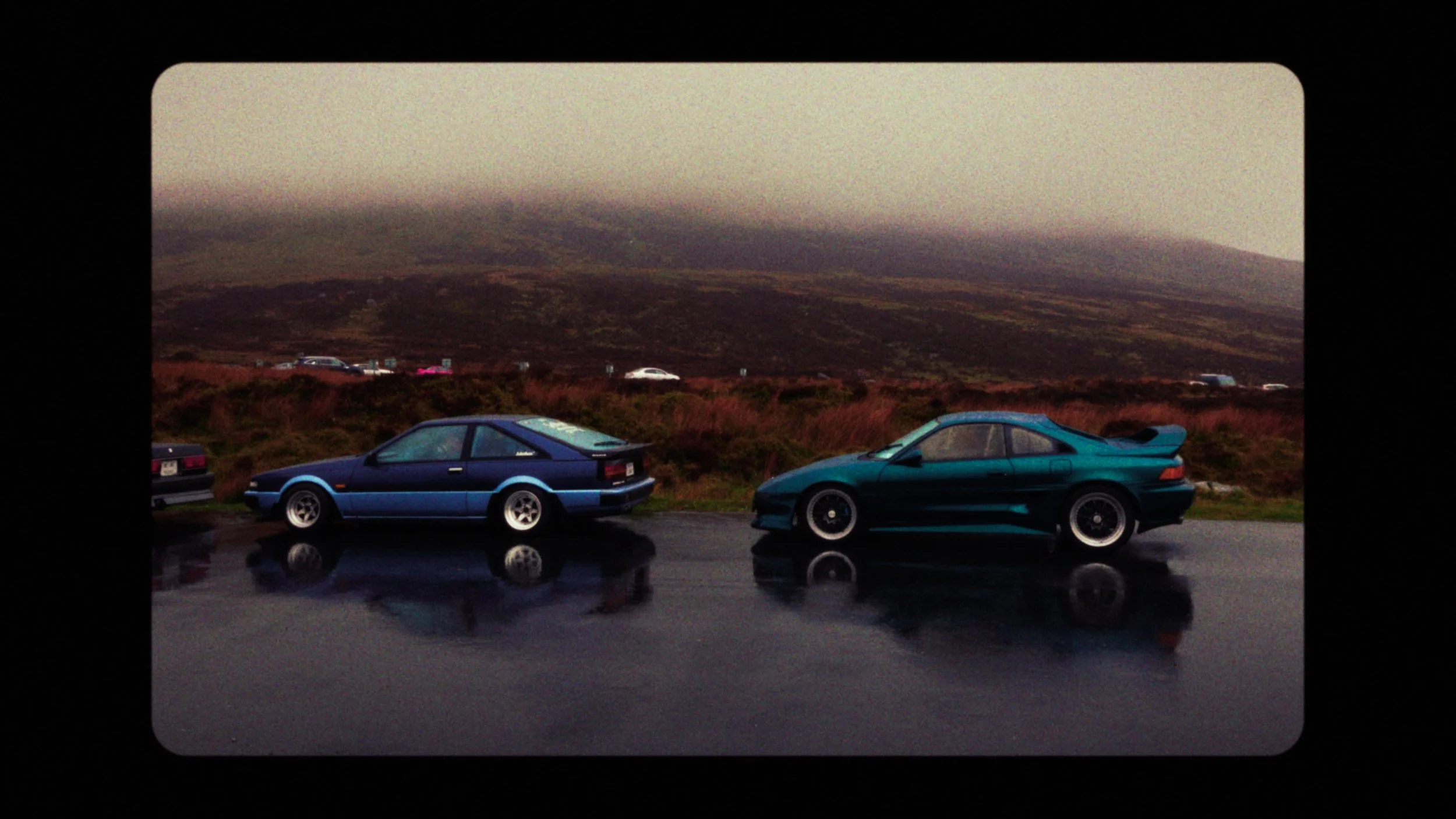
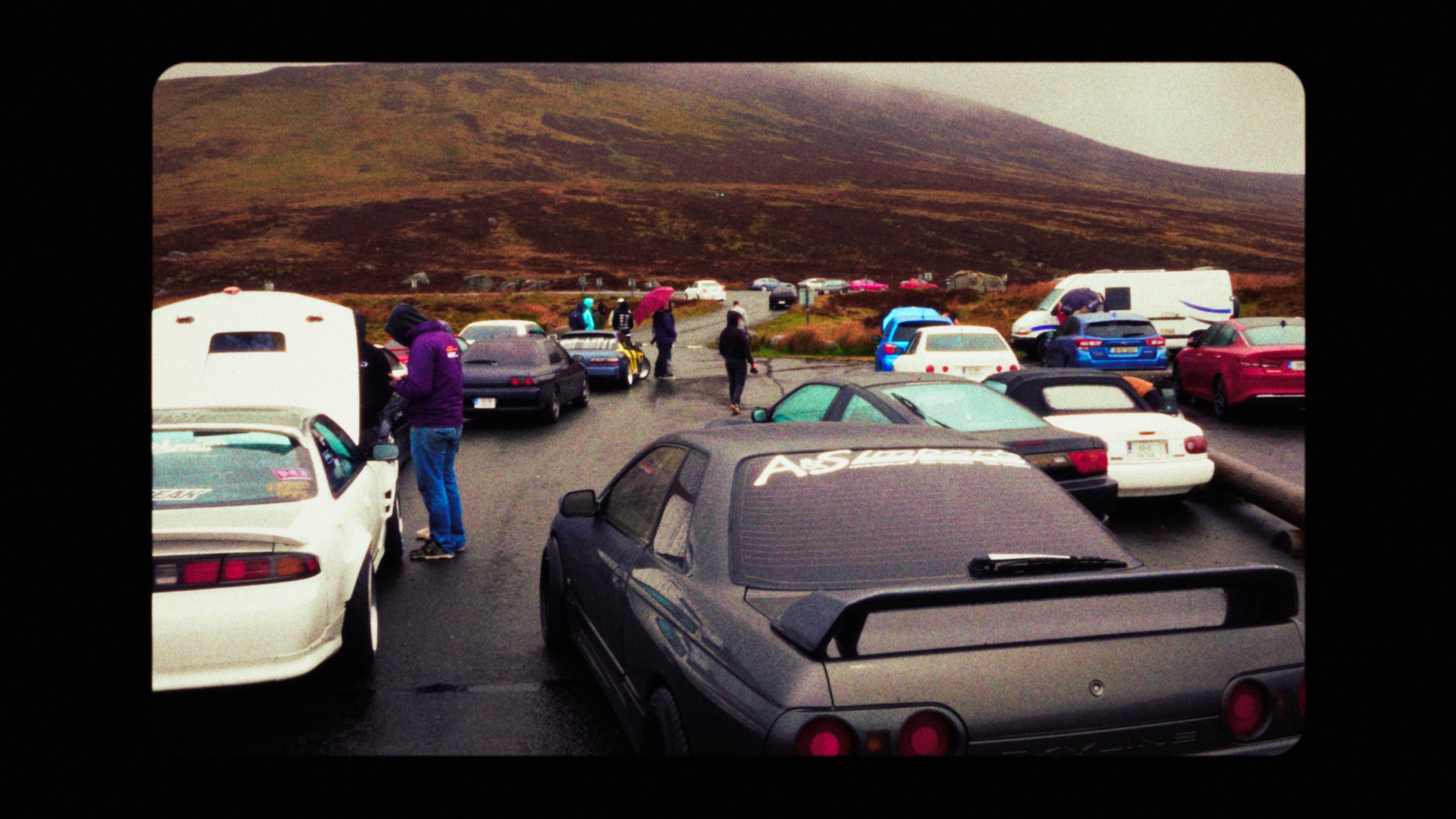
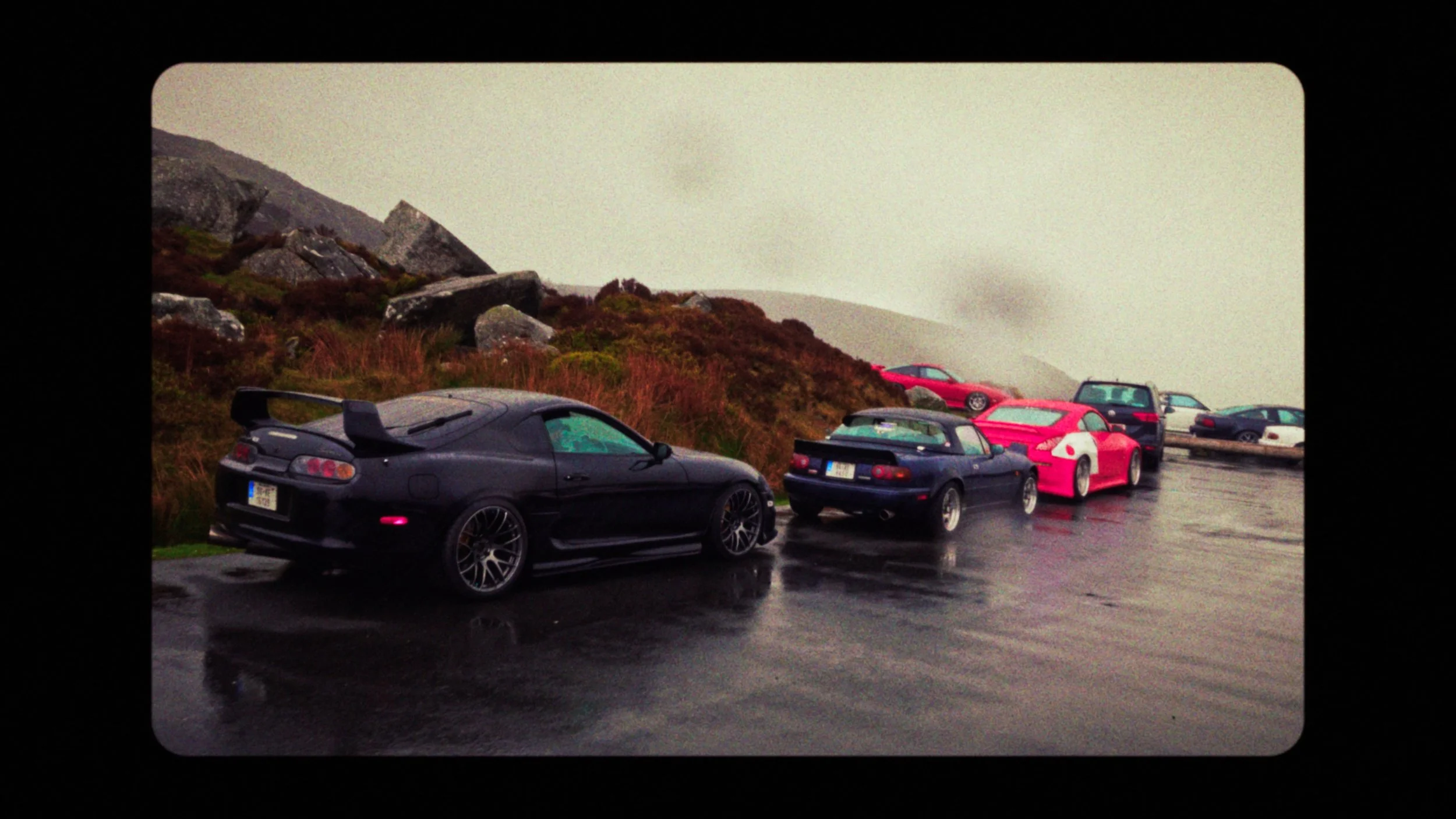
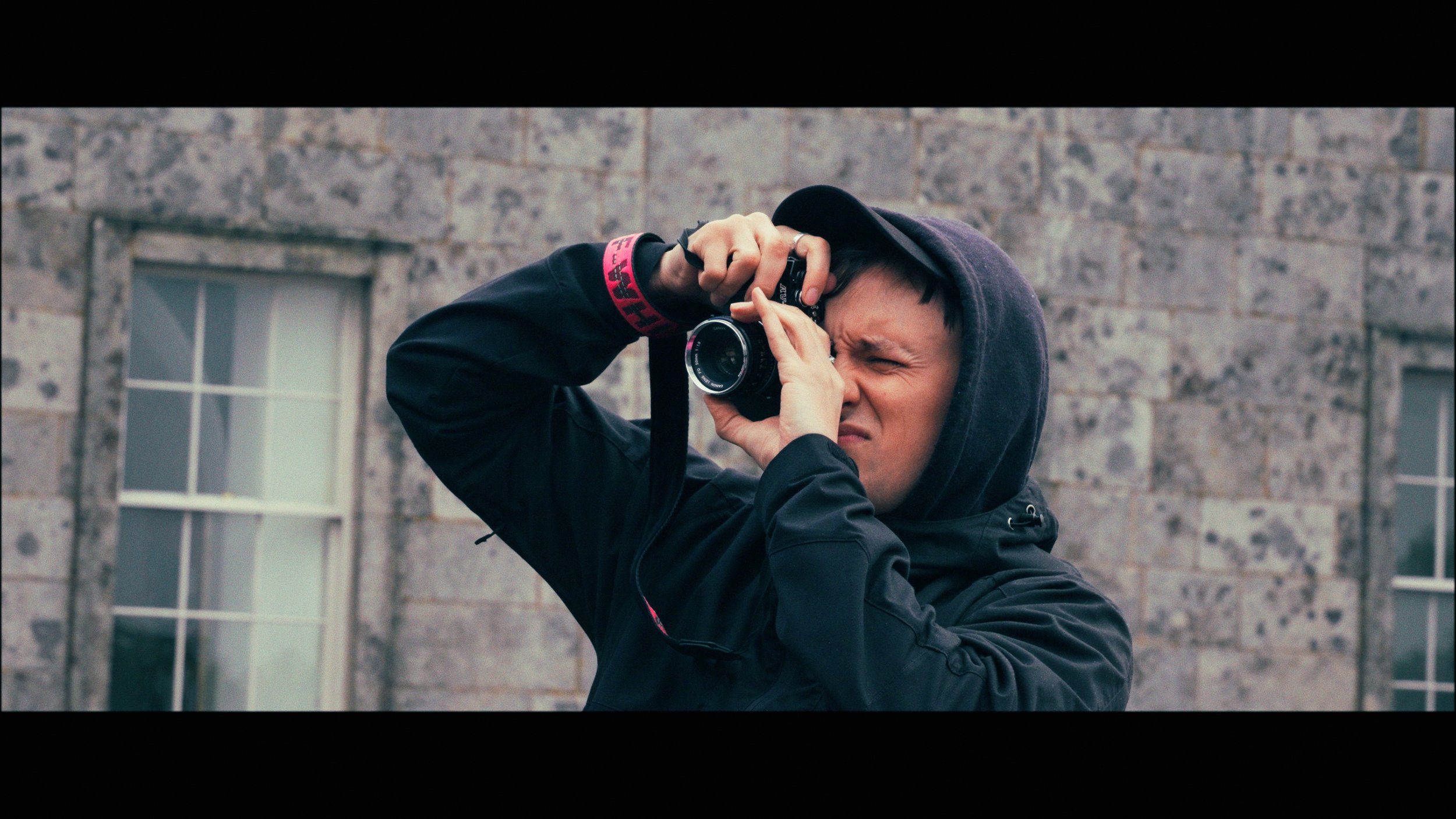
We stop off at Turlough Hill, a good place to pause, gather ourselves and shoot some cars in the wind and rain. I thought the weather may have driven a few people home at this point however, the mood was just as good as if the sun was beating down on us, not the rain. Cars pulling in, bonnets going up, cameras coming out, people wandering around looking for angles, trying to capture something that probably makes more sense in motion than it does standing still.
But again, the photos aren’t really the main thing. They're always great to look back on but what really matters is the conversations, the shared experiences, waitin for Marty to make you a delicious coffee, the small details that only matter to the people who understand them. The reason for putting something like this together is fairly straightforward on the surface. Up until now, most of what we’ve done has been based in the south, which works well for a certain group of people but makes it harder for others to get involved without committing to a long drive before anything has even started. And even in a country the size of Ireland, that’s enough to put people off. So this is about changing that slightly, bringing things closer to the middle, making it easier for more people to be part of it without it feeling like a full-day commitment just to show up.
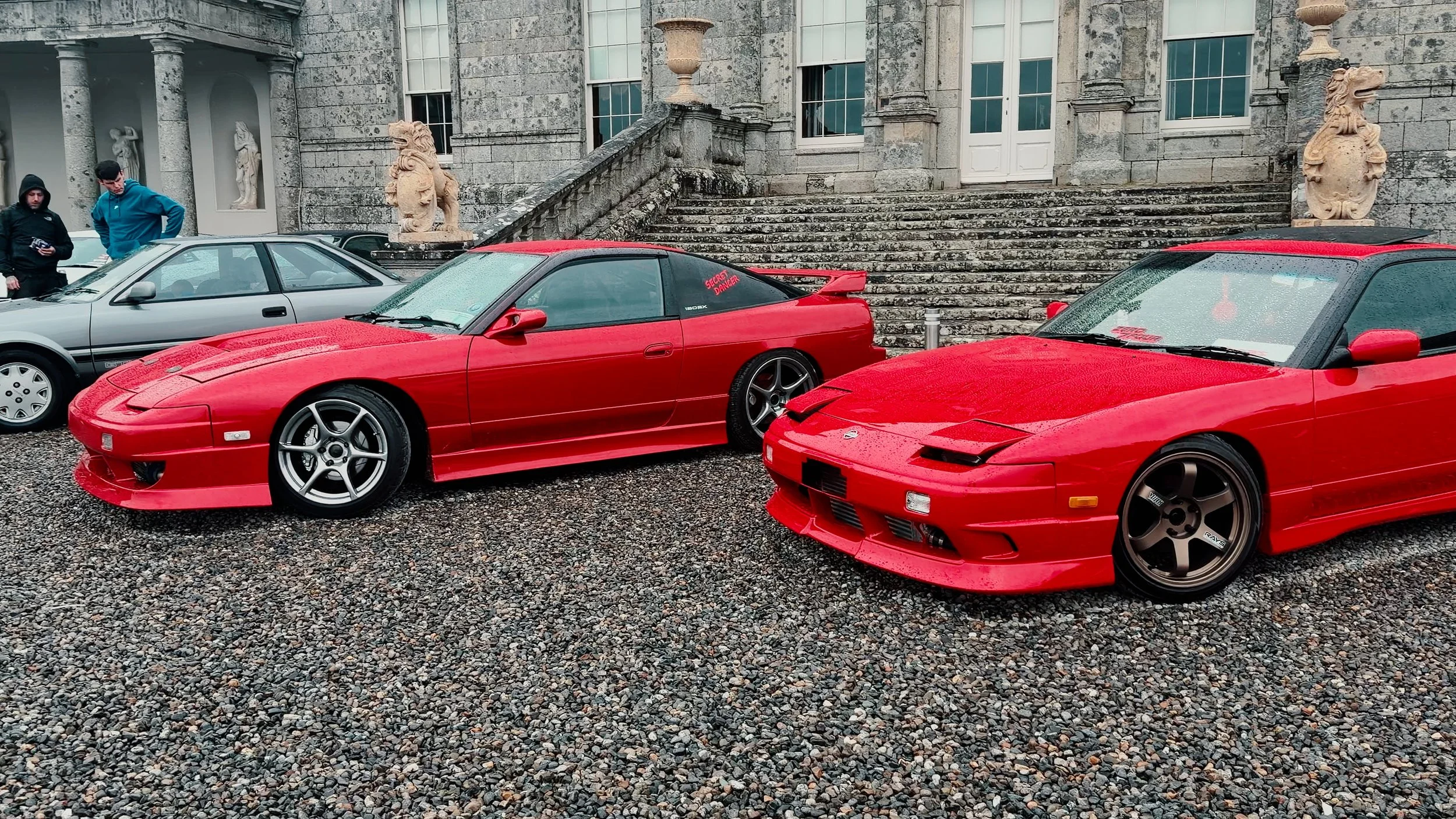
But there’s another layer to it as well, and it’s one that’s a bit harder to ignore. Because cars like these, especially modified Japanese ones, tend to come with a reputation that doesn’t always reflect the reality. There’s an assumption that follows them around, that if you drive something like this, you’re automatically part of a certain type of behaviour, a certain type of scene that people are quick to criticise. And while there are definitely times where that reputation hasn’t come from nowhere, it’s not the full picture either.
There’s always going to be a time and a place for everything. That’s part of car culture whether people like it or not and its an opinion I've held for many years. But this isn’t about that side of it. As we set sail for our final destination, the road begins to drop down from the clouds, the group naturally starts to spread out, each car finding its own space through the rolling roads between Glendalough and Rathdrum. A road I've travelled more than once but one I really must return to tackle in something faster and at a more sociable time of day for a good blast.
And by that point, you realise that none of this was really about the start location, or the stops along the way, or even the final destination. It’s everything in between that matters. The early morning atmosphere, the drive through the mountains, the conversations you didn’t expect to have with people you might not have met otherwise.It’s not overly polished, it’s not perfectly organised, and it’s definitely not trying to be anything bigger than it is. But it feels genuine. And in a scene that’s often misunderstood, that’s probably the most important thing you can have.
Thanks for watchin'
Mind Yourself.
