

The Shift In Irish Car Culture
There’s a strange realisation that occurs when you look back at over a decade of your life, especially through the lens of cars and what we deem to be 'Car Culture'. You initially thought it was about building the fastest, cleanest cars, with rare parts and things that nobody else had. Then you realise it quietly rewired who you are, who you spend time with, and what you value.
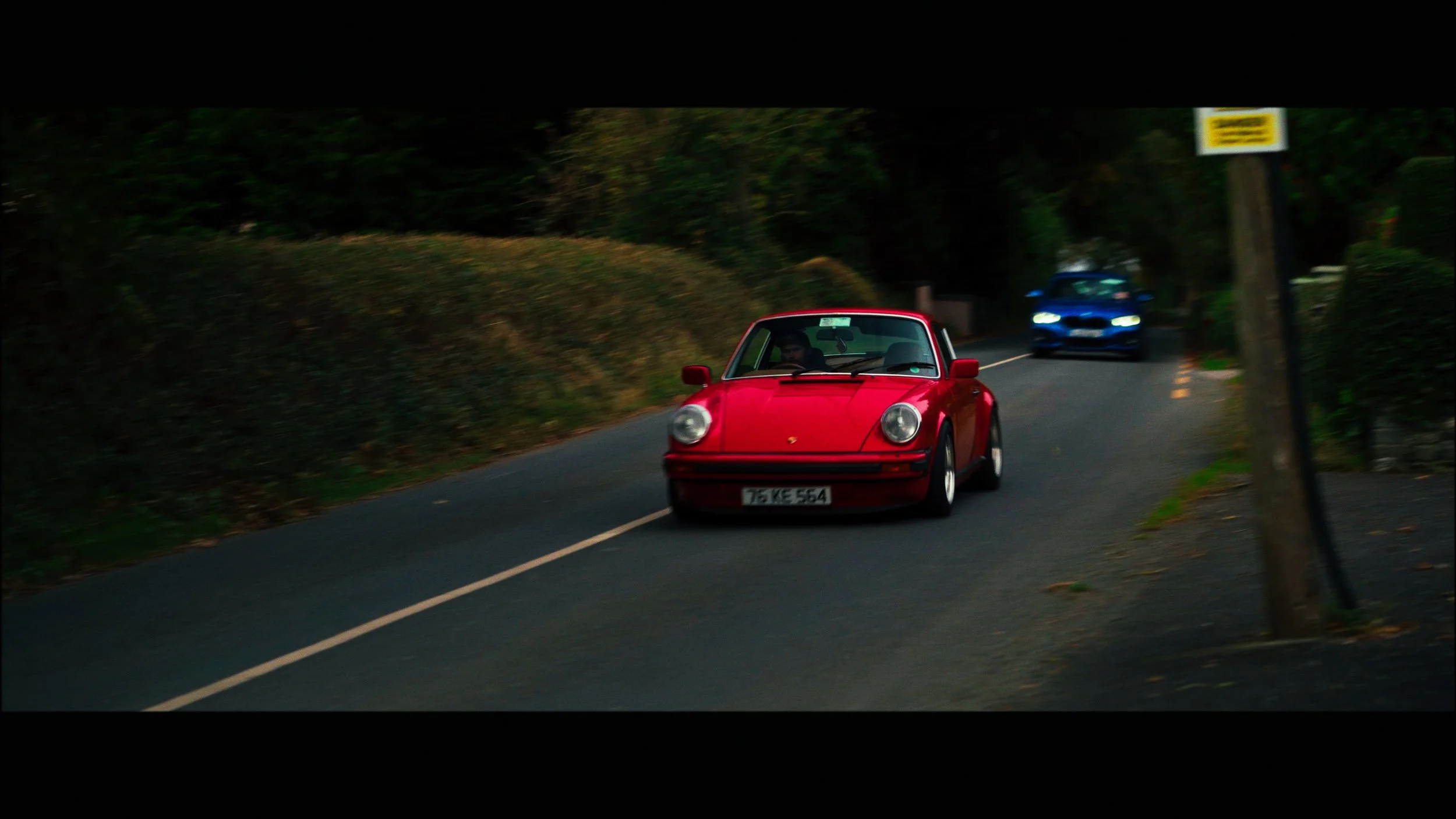
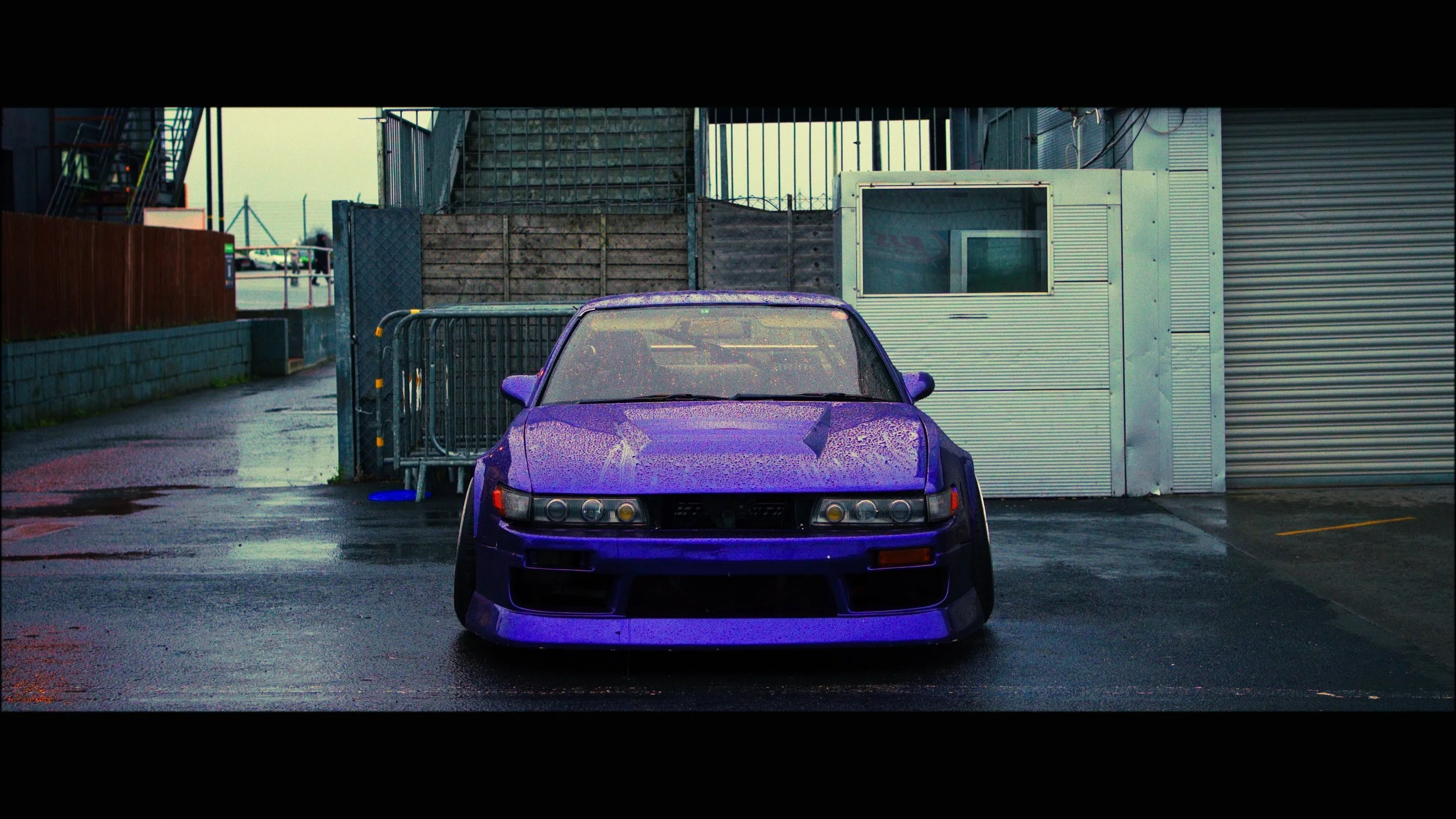
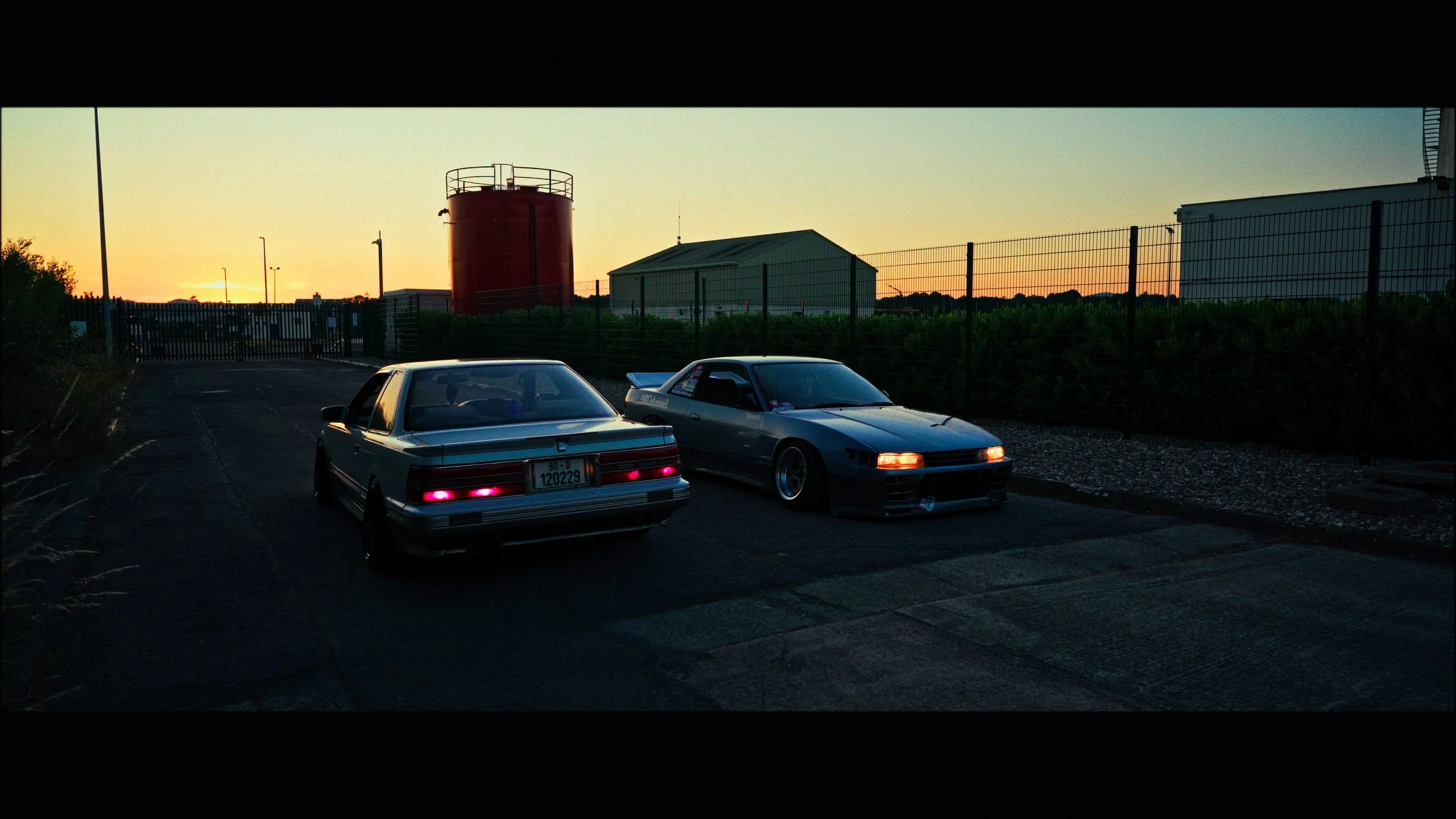
For most of my childhood and early teens, I was into cars, but it was a very private thing. I didn't go to meets, there was no late nights and I had no real concept of what was meant by 'Car Community'. I saw the modified car world through video games, magazines, videos and whatever I could find online. It felt like I was watching car culture from the outside of a window I couldn’t climb through.
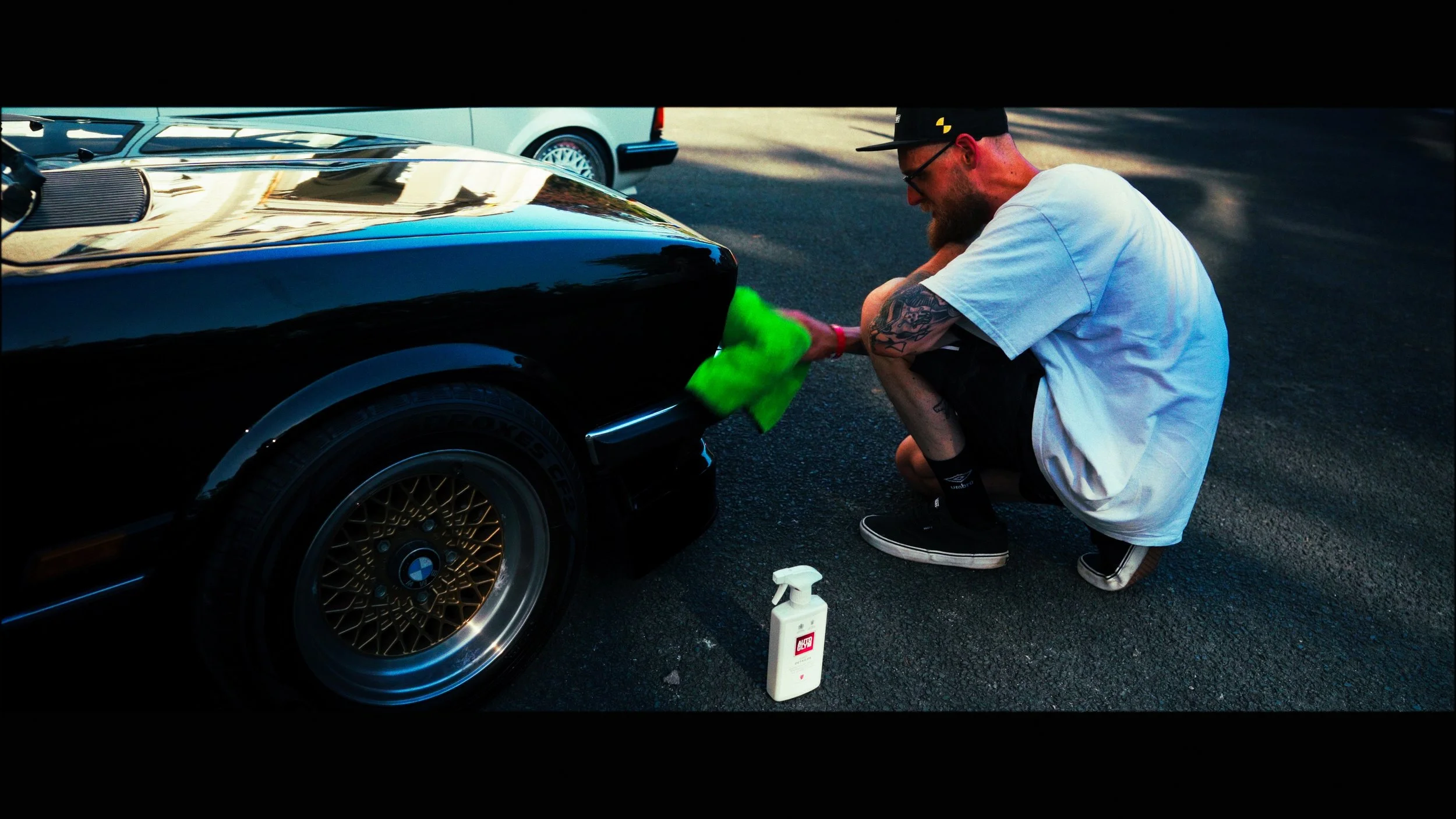
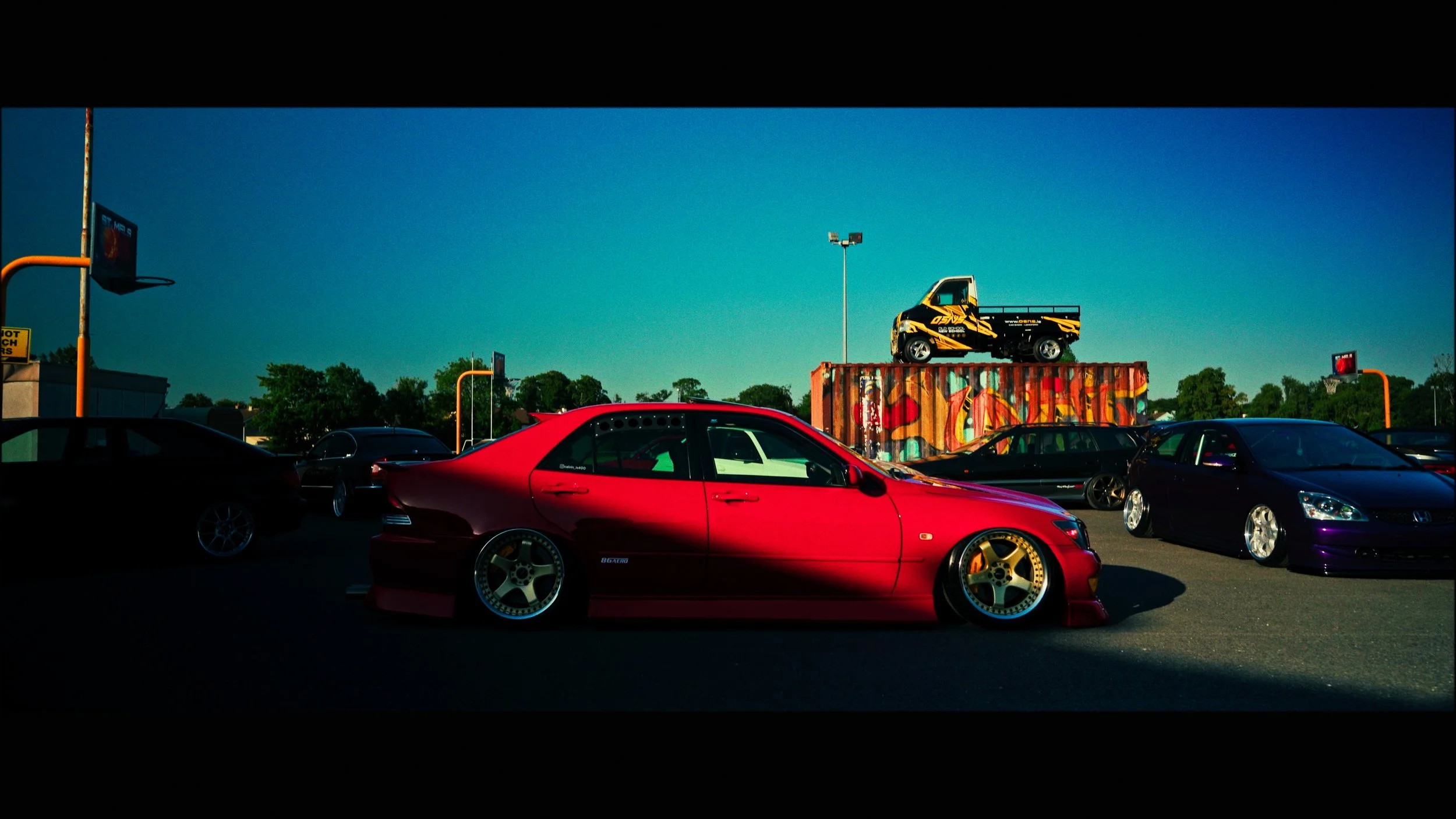
That changed when I was eighteen and went to college. Suddenly I wasn’t the only one who cared about cars. I met a handful of people who were just as obsessed, albeit about slammed volkswagens and for the first time I got a proper look at real Irish car culture. Not the polished version you see in feature videos, but the day‑to‑day reality of it — shitters, projects, half‑baked ideas, some of the best built cars in the country and the people who lived with them everyday.
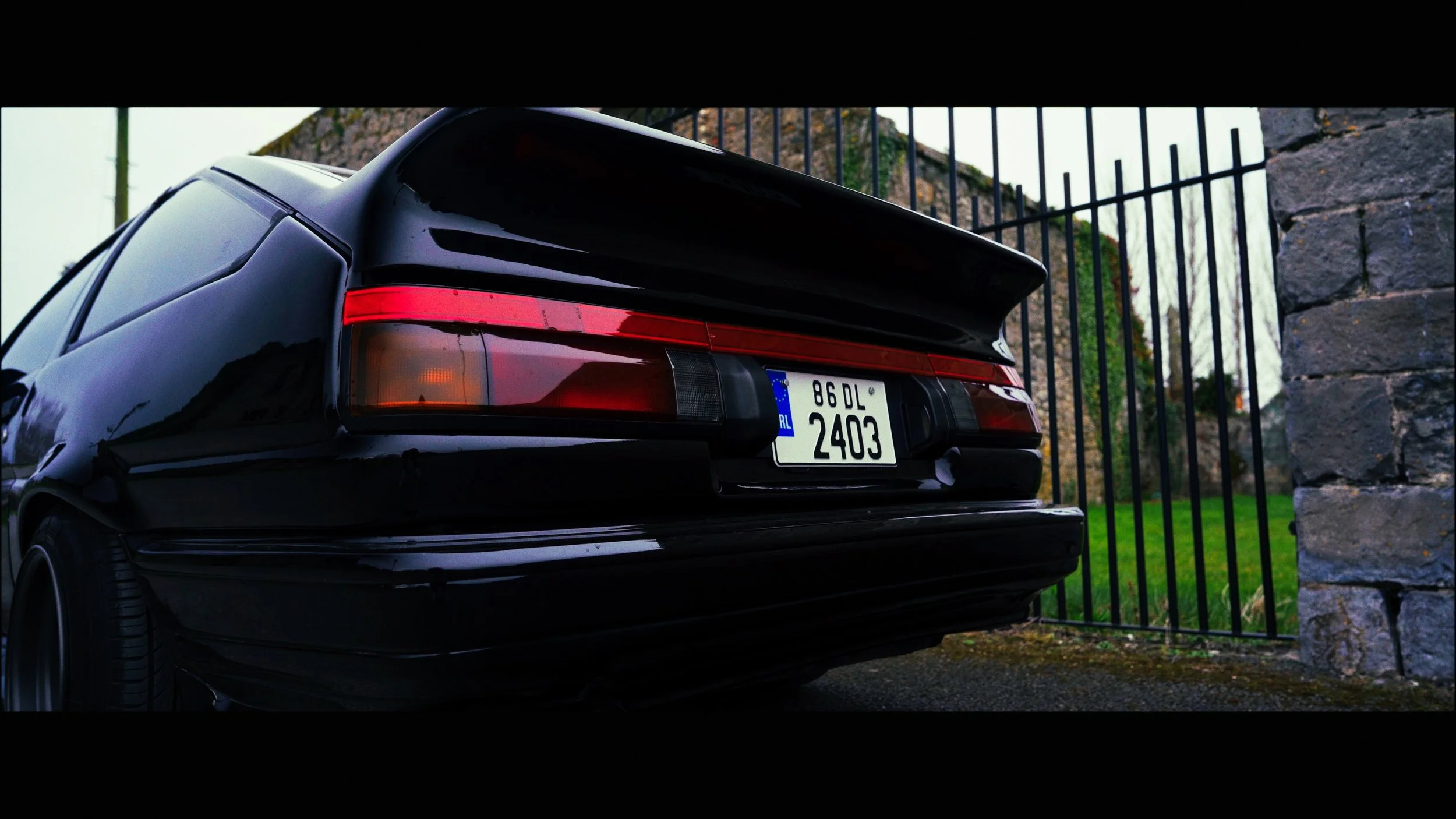
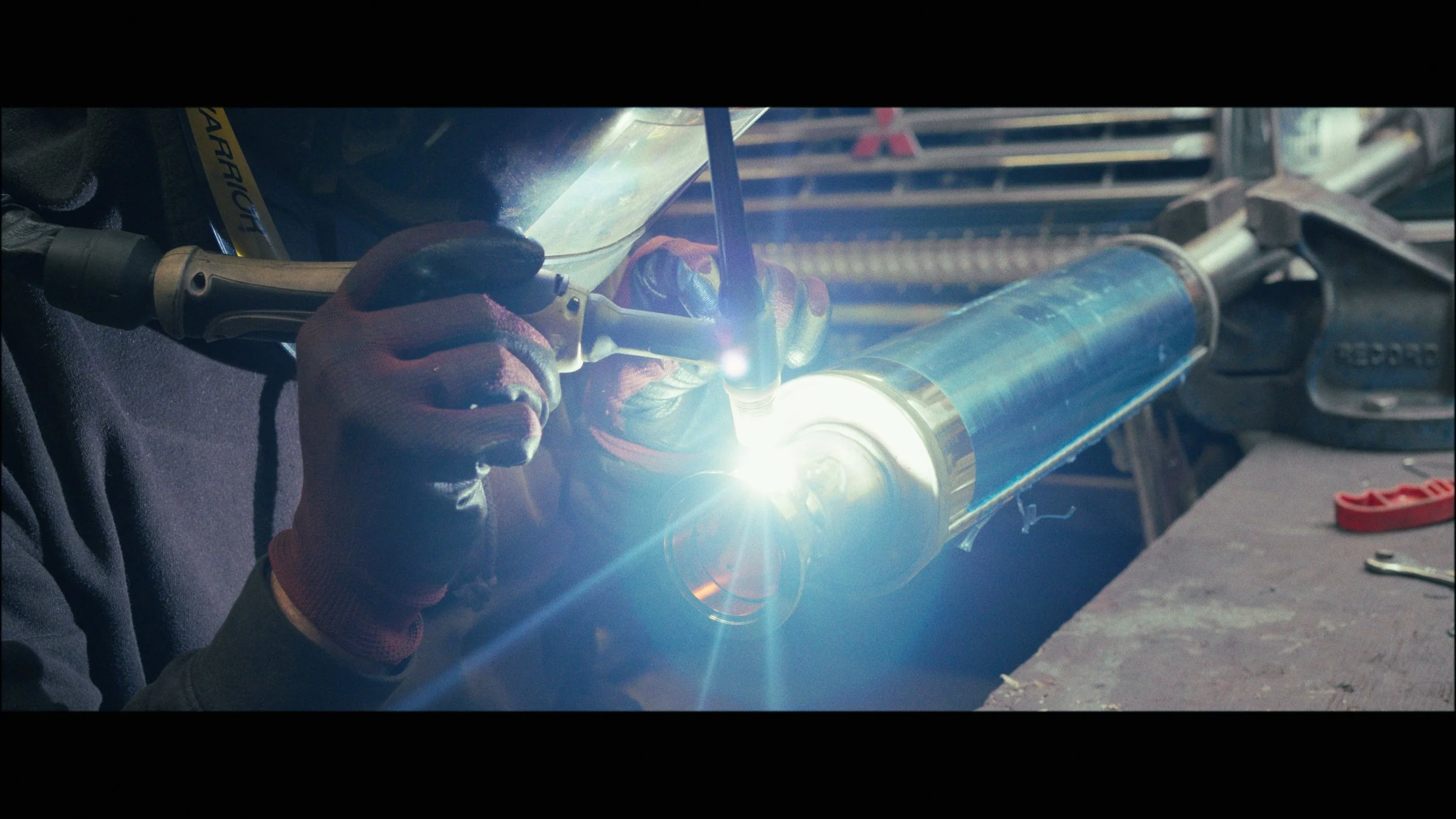
As soon as I finished college and got my first proper job, I bought a 1998 EK4 SiR in Frost White. The perfect car to commute from Waterford to North Kildare in twice a week. On paper, it was just another 90s Honda. But in reality, that car shaped me as a person. Once I had it, the circle of people around me changed. I started spending late nights in carparks, in sheds, and on back roads with groups of friends who, up until then, I didn’t even know existed.
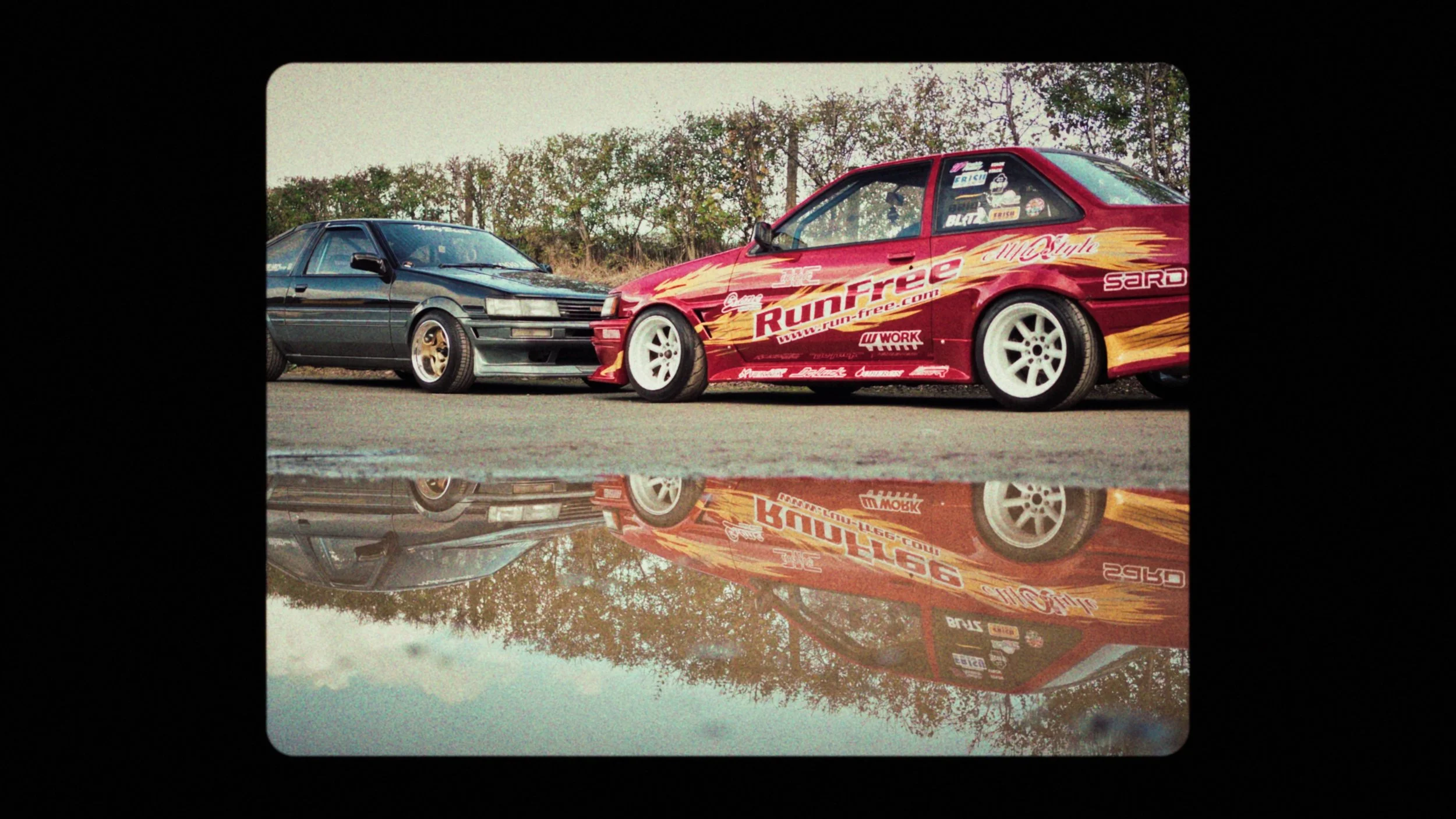
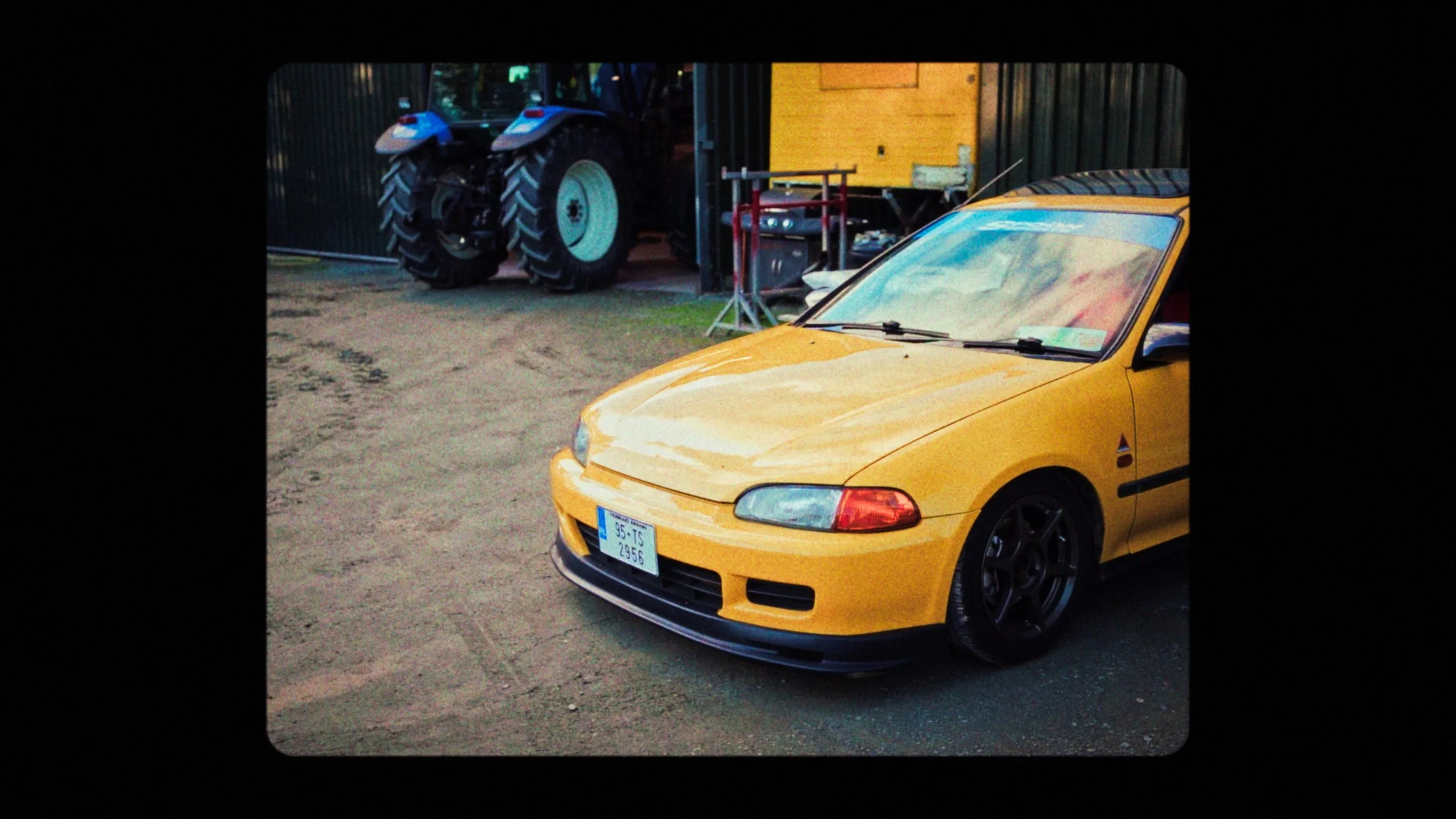
Those nights felt like everything. You finish college or work, grab a bit of food, and then the real day starts — convoying to the middle of nowhere, talking nonsense in the cold, planning builds that were way beyond our budgets. It was the kind of freedom you only get at that age, wrapped up in Japanese metal, bad takeaways and insane amounts of energy drinks.
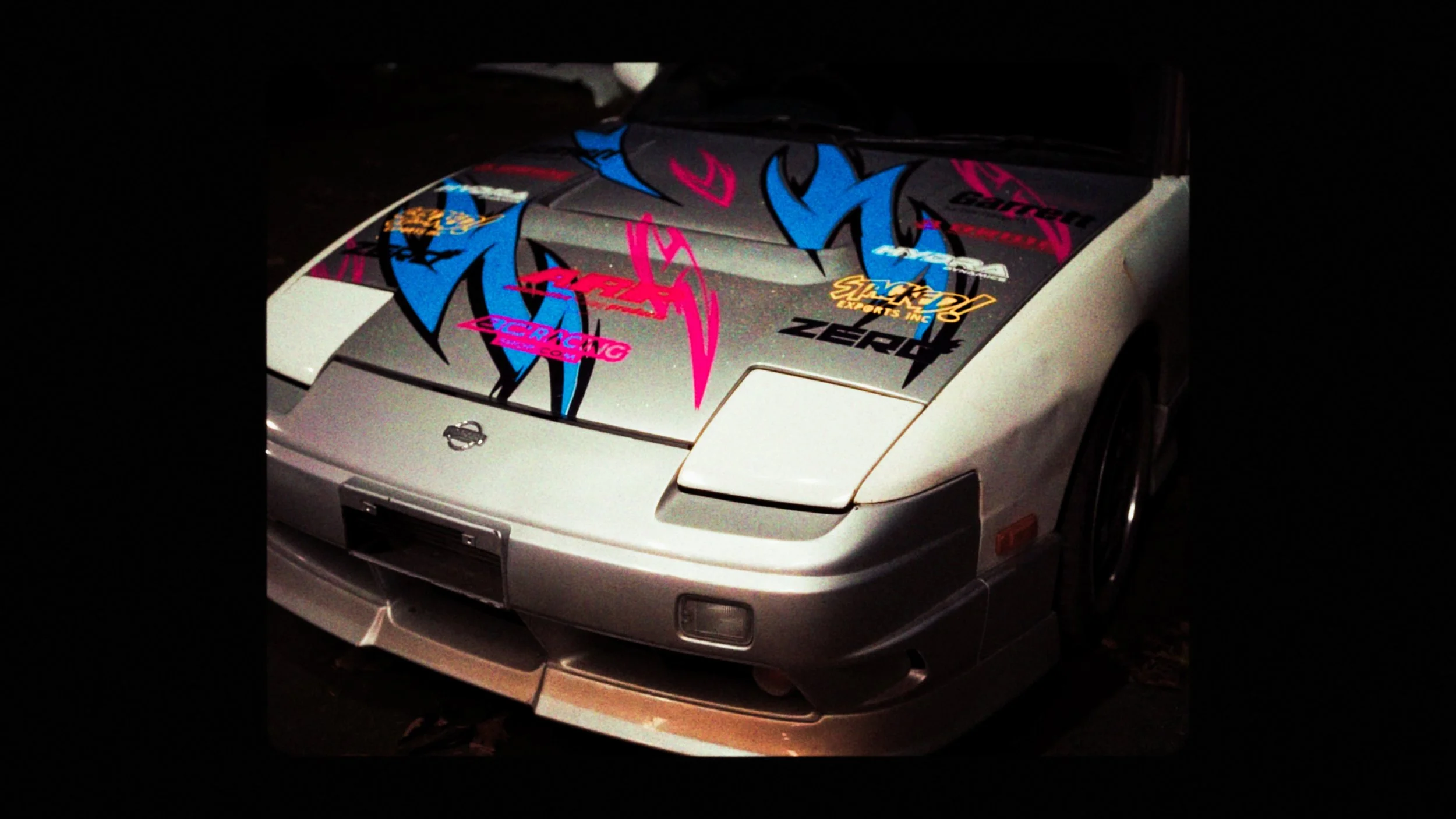
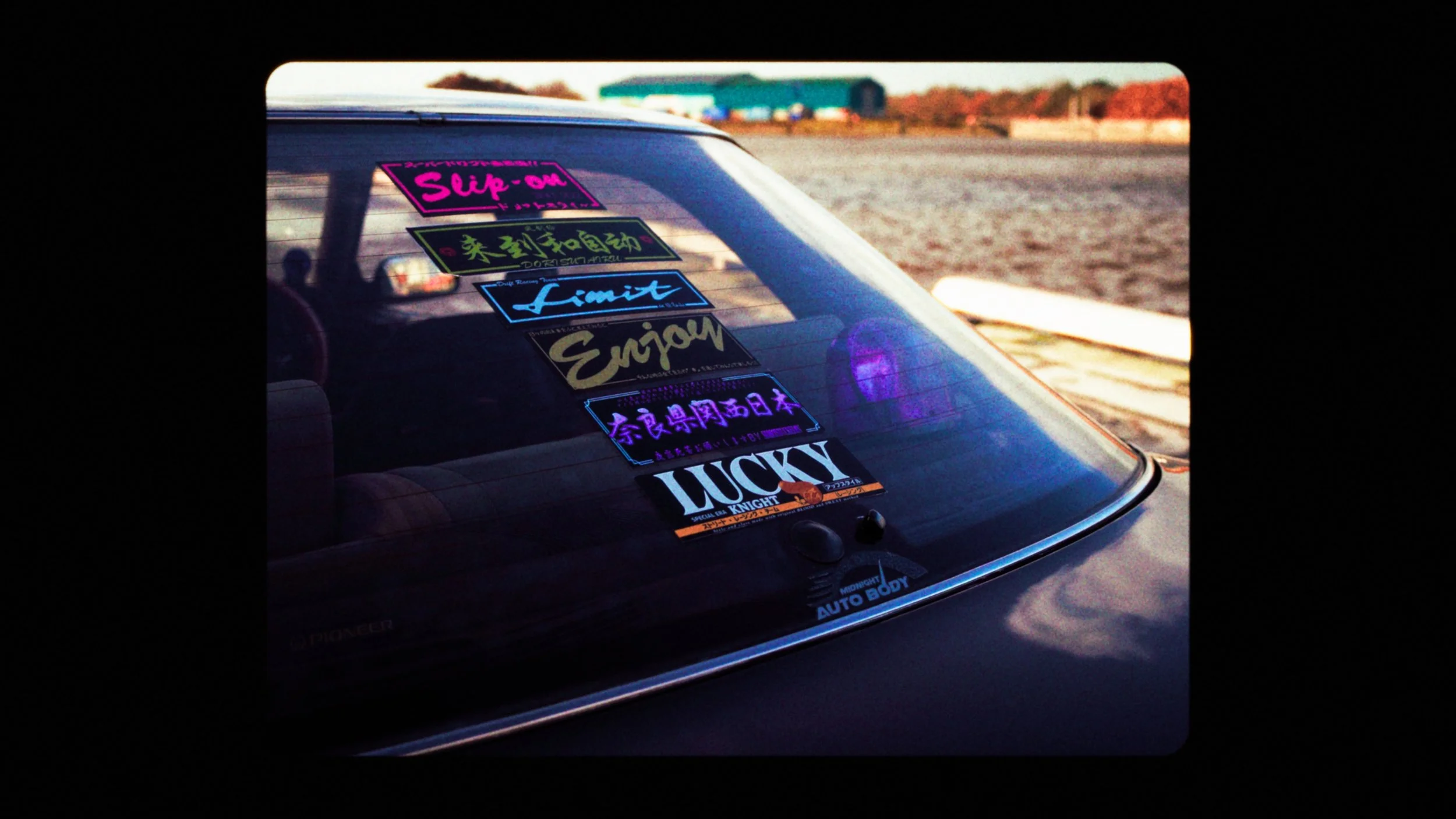
A couple of years later, I bought my 180SX. Looking back, I didn't realise how much credibility just buying that car would get me. Owning an S‑chassis, going drifting — both on the street and on track — it all carried a certain weight to it. People suddenly took me more seriously. It felt like I’d earned a place in a part of the community I’d admired from a distance for years.
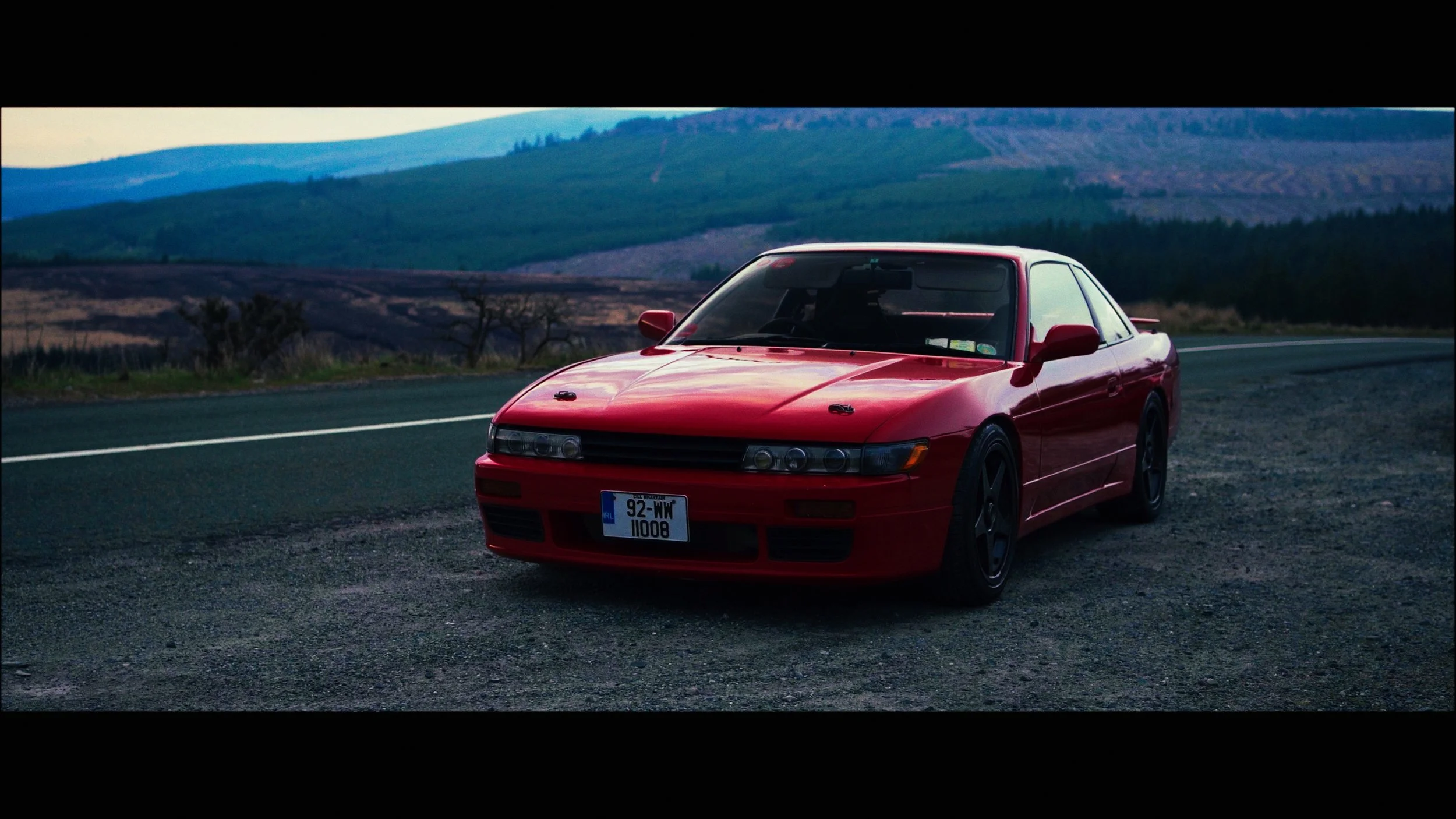
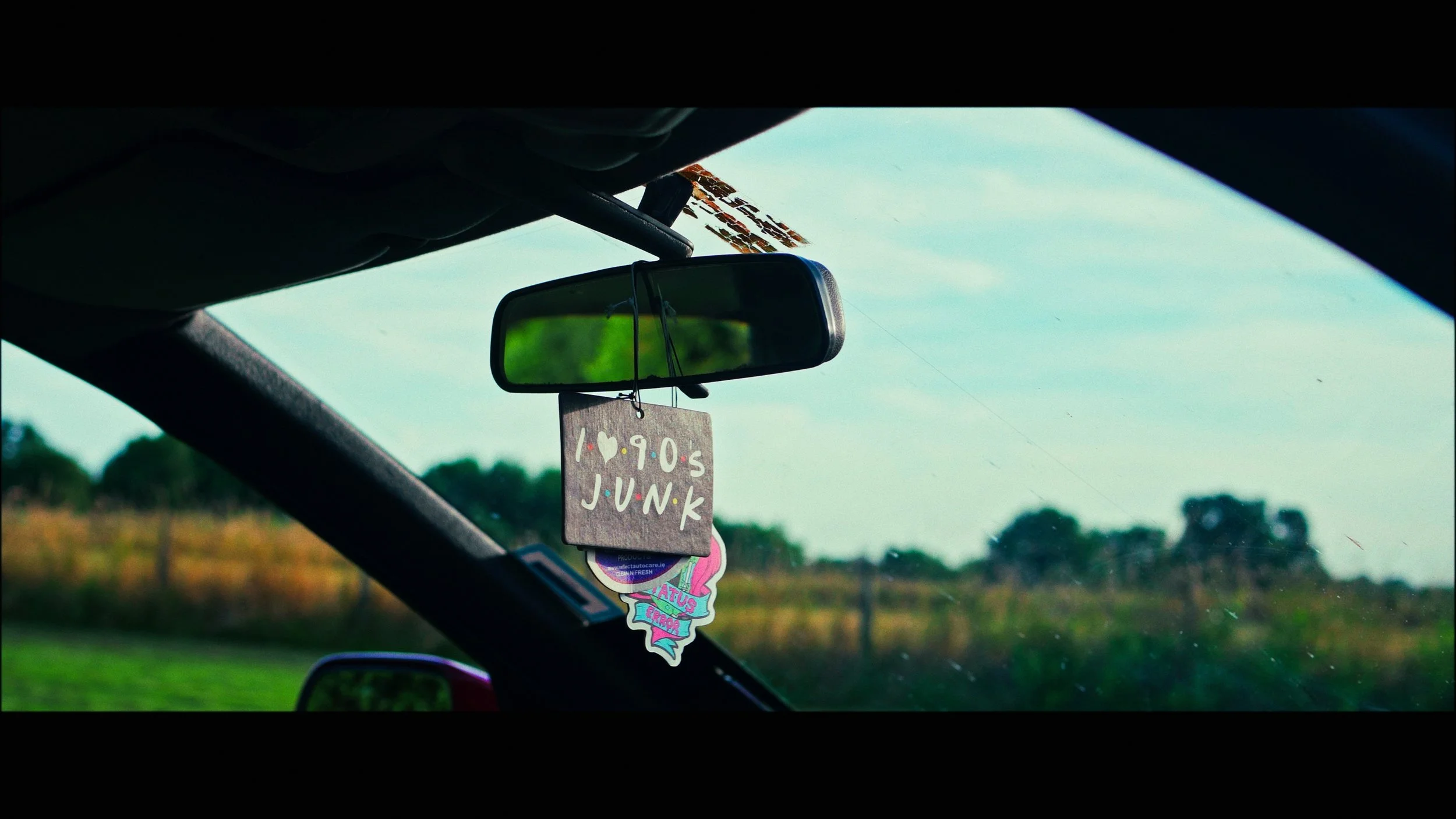
That era is such a huge part of why I created ZeroTeam in the first place. I wanted to document my version of Japanese car culture in Ireland — the good, the bad, the late nights, the mistakes, the memories. To show the stuff I grew up watching, but from our side of the world, with our roads, our weather and our taste.
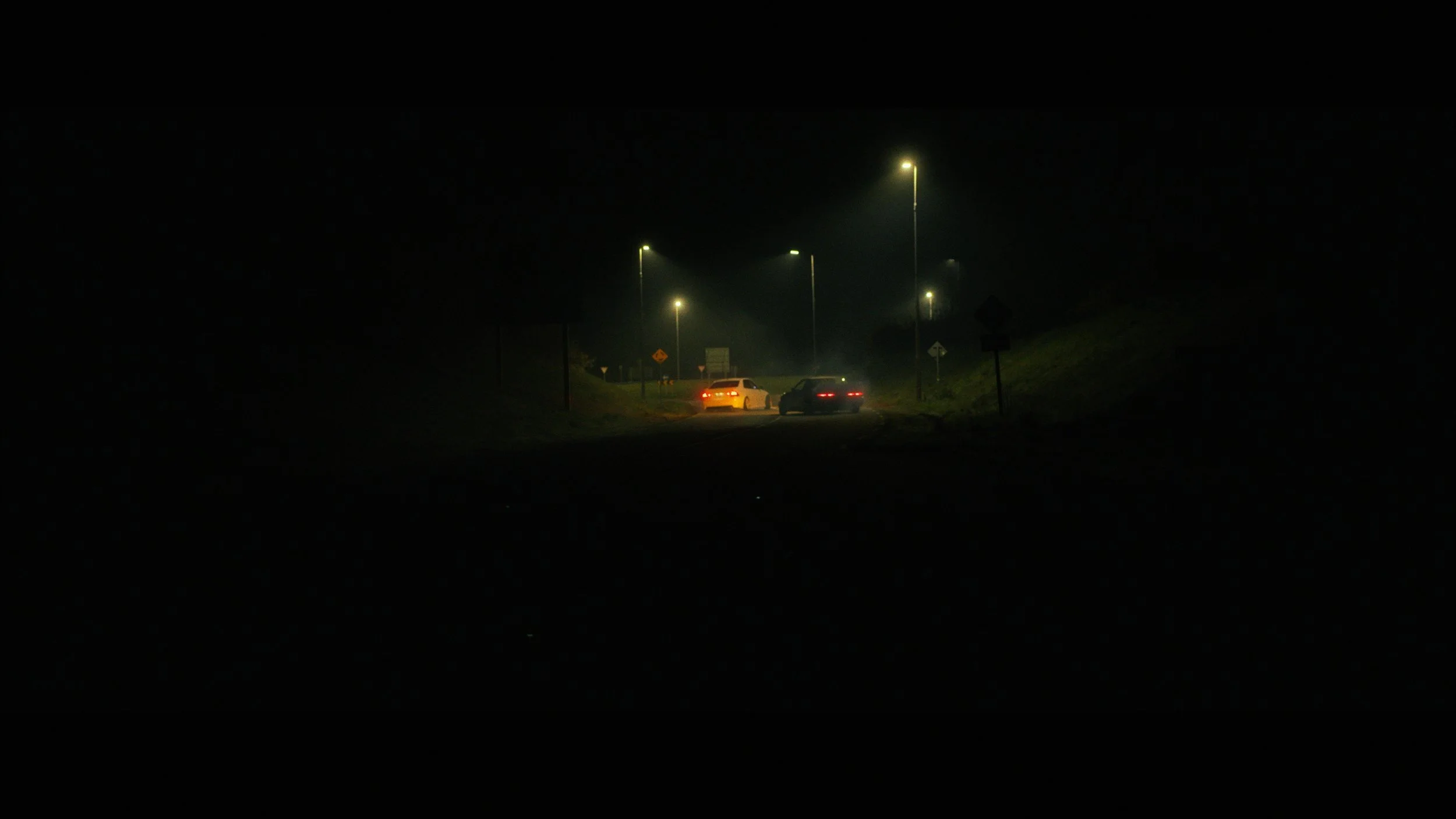
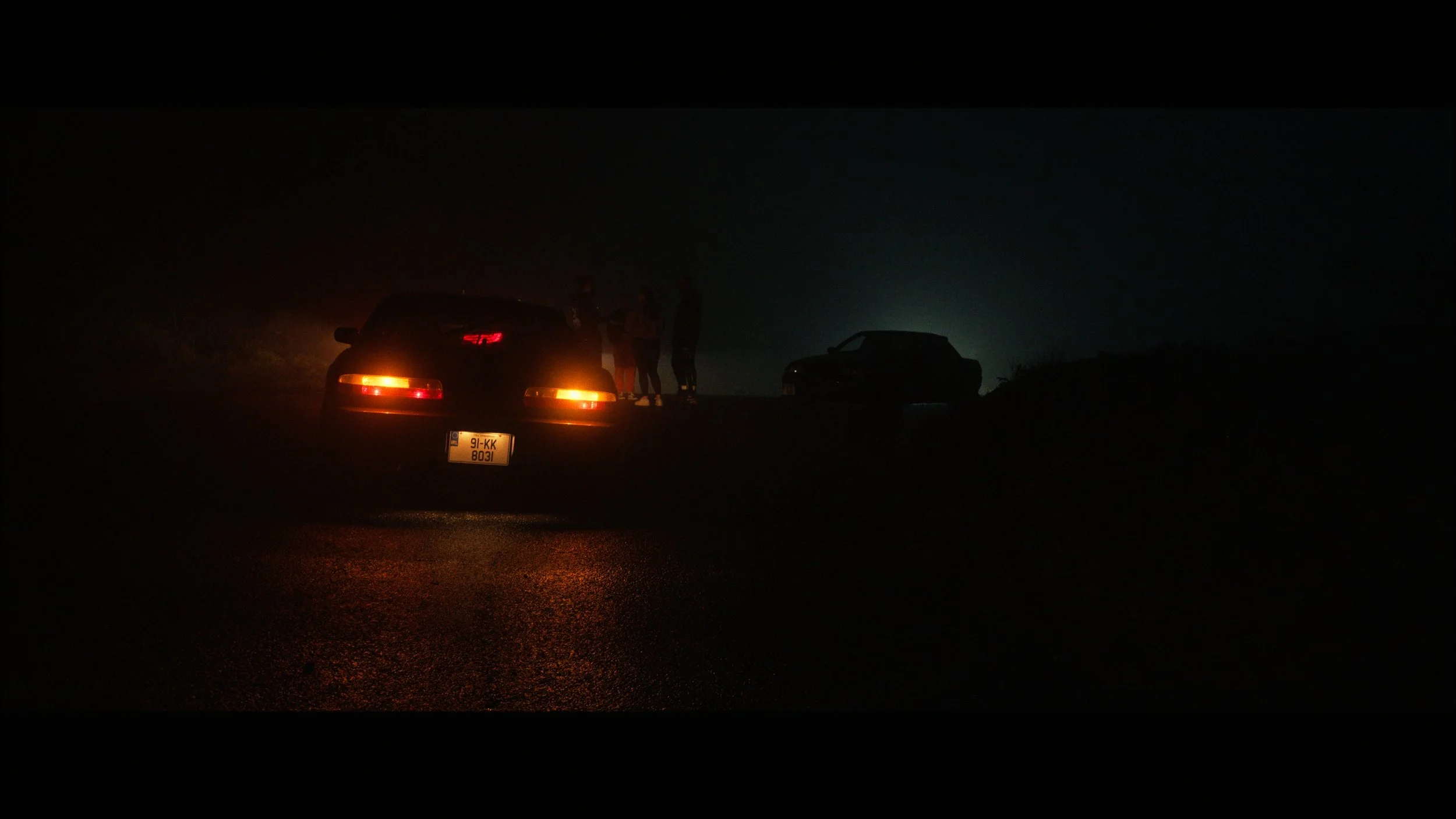
But once I was properly integrated into that group, I started to notice a lot of things I didn’t like. I didn’t like who I was becoming. I slowly pushed away a lot of my non‑car friends. I became fixated on making the “right” moves within the community — the right car, the right events, the right people to be seen with. Everything outside that bubble felt less important, and some friendships certainly paid the price for it. Some of which I'll never get back and some I definitely don't want back.
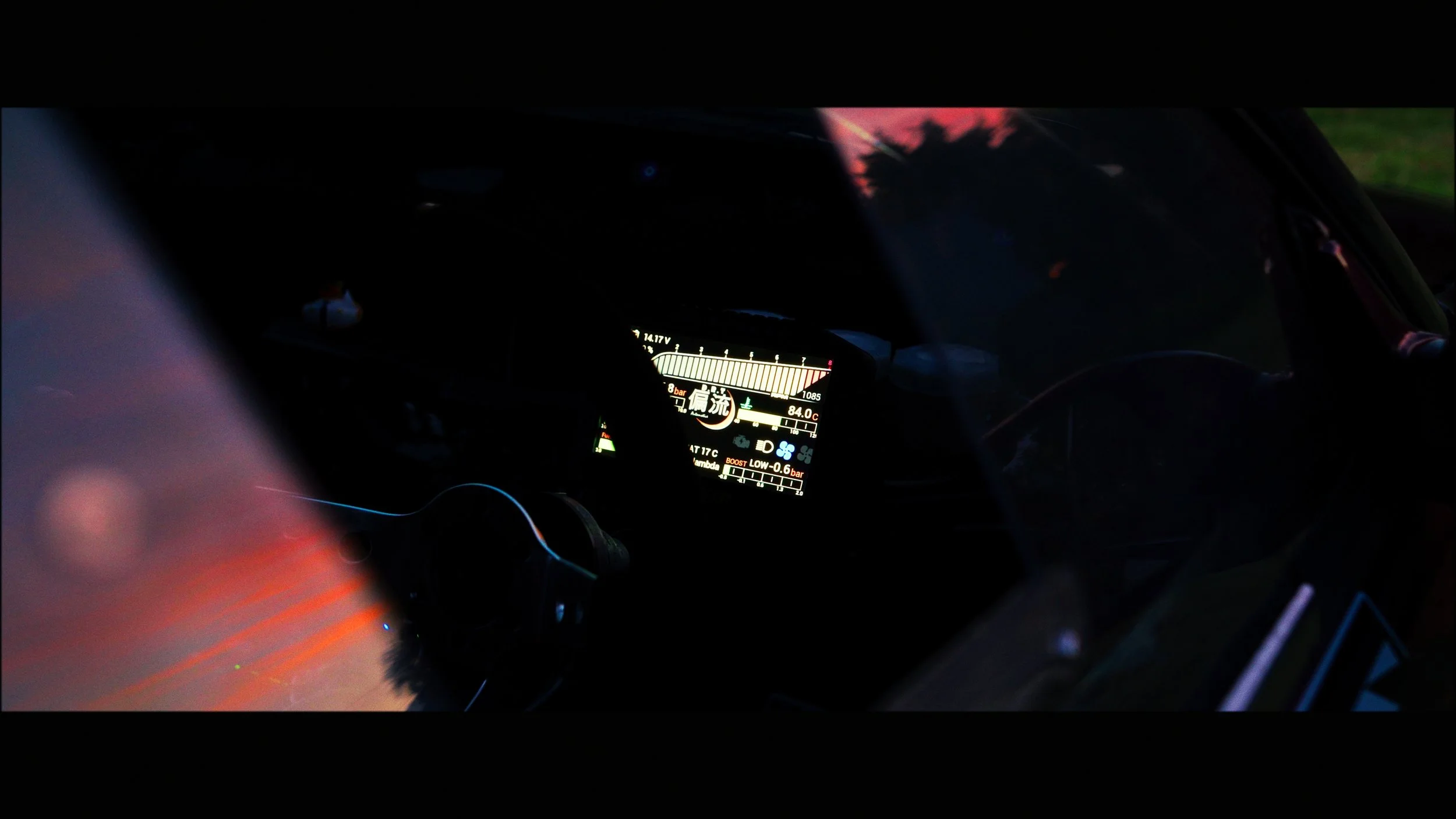
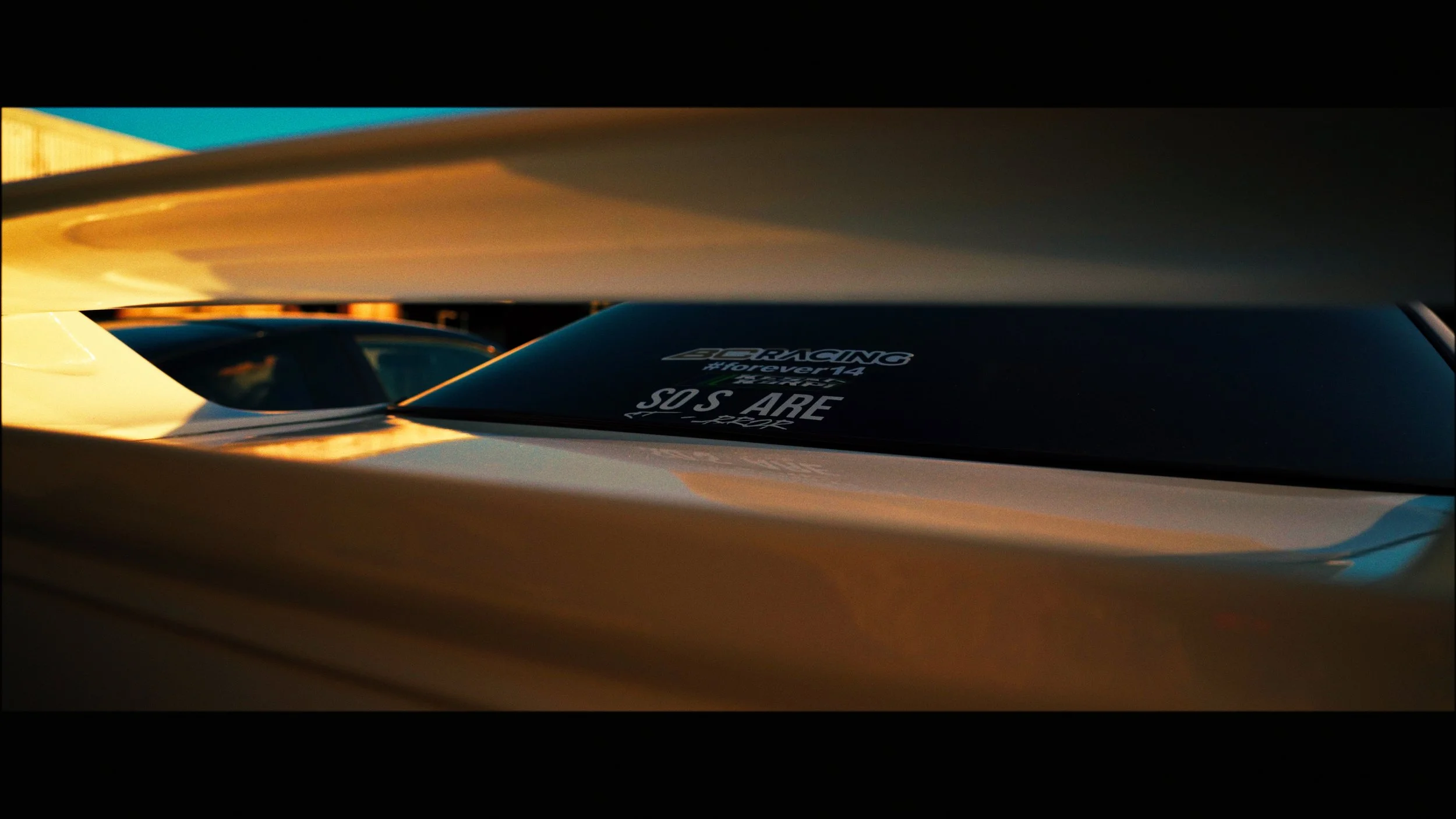
It took a long while for me to notice that, longer than I'd like to admit. When you’re in the middle of it all, and you're hanging out with people you looked up to, life feels like a blur. You tell yourself you’re just chasing your dreams, making the most of these years, doing what you love. But underneath that, there was a version of me that was becoming narrower and more closed off, and once I inevitably made that realisation, I found it a difficult thought to shake.
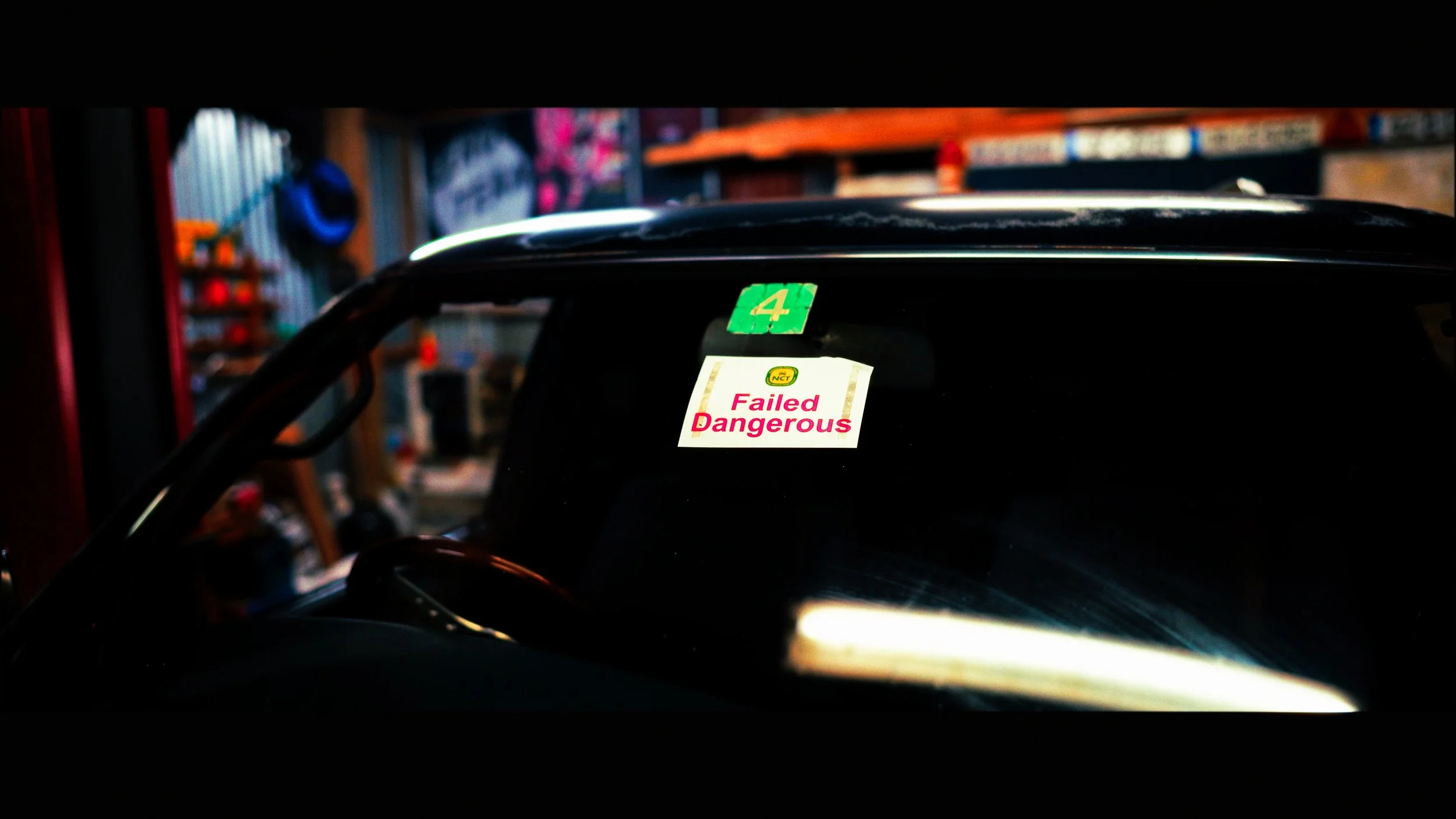
Over time, I started to realise that the community I’d wanted so badly to be part of was full of people whose values didn’t really line up with my own. That doesn’t make them bad people — it just meant we were chasing different things. Status, image, clout… those became quiet currency in the background, and I found myself playing along without really questioning it.
Things that happen slowly over time are rarely noticeable in the moment. The days feel long, but the years are short, and it’s only now — some thirteen‑odd years later — that the slow transition in Irish car culture has really started to reveal itself to me.
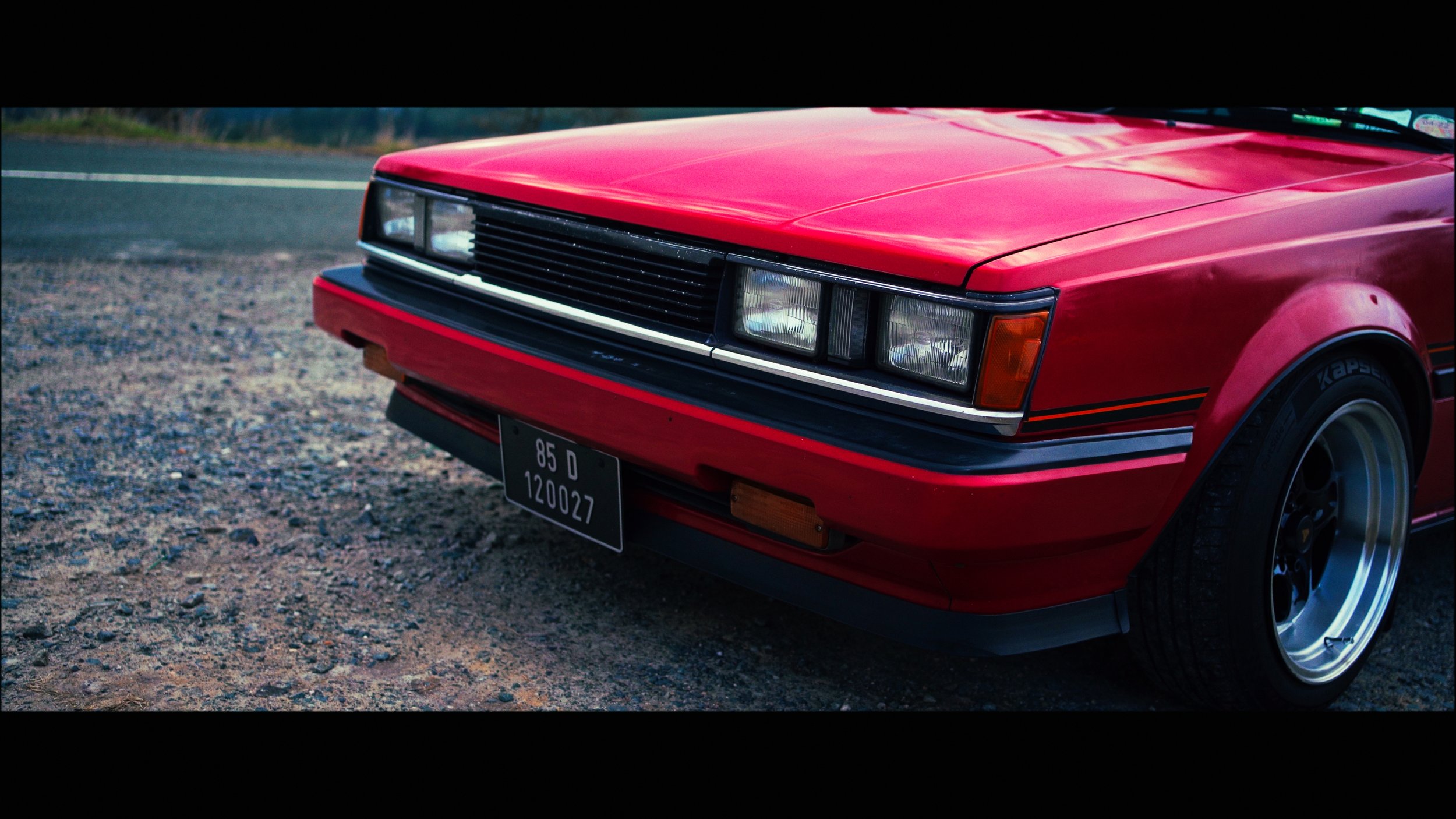
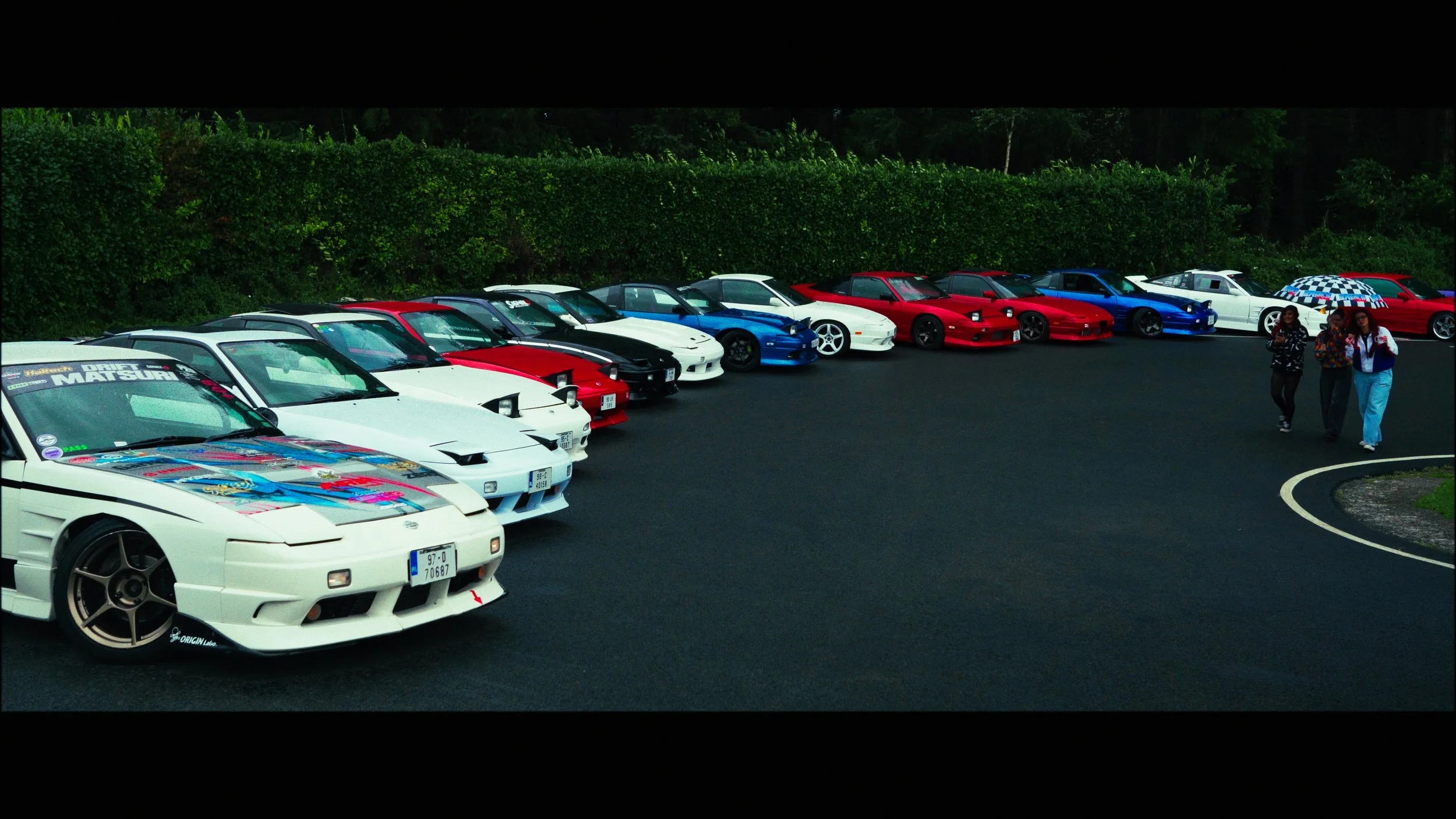
Back then it was sheds and abandoned stretches of road in the middle of the night, in cars from what we now call the glory days of Japanese car culture. Old Hondas, Nissans, Toyotas — Civics, 180s, AE86s - stuff that felt special even when it was rough around the edges. And maybe more so because it was rough around the edges. Now, more often than not, it’s an Iceland or McDonald’s car park full of financed diesels with EGR deletes and fake wheels.
It’s easy to ask if the insurance industry is to blame. And maybe it is, at least in part. But if that’s true, then we haven’t exactly gone out of our way to challenge it or to make things any easier on ourselves either. In typical Irish fashion, we’re quick to complain, but rarely do we see those complaints through to any real action.
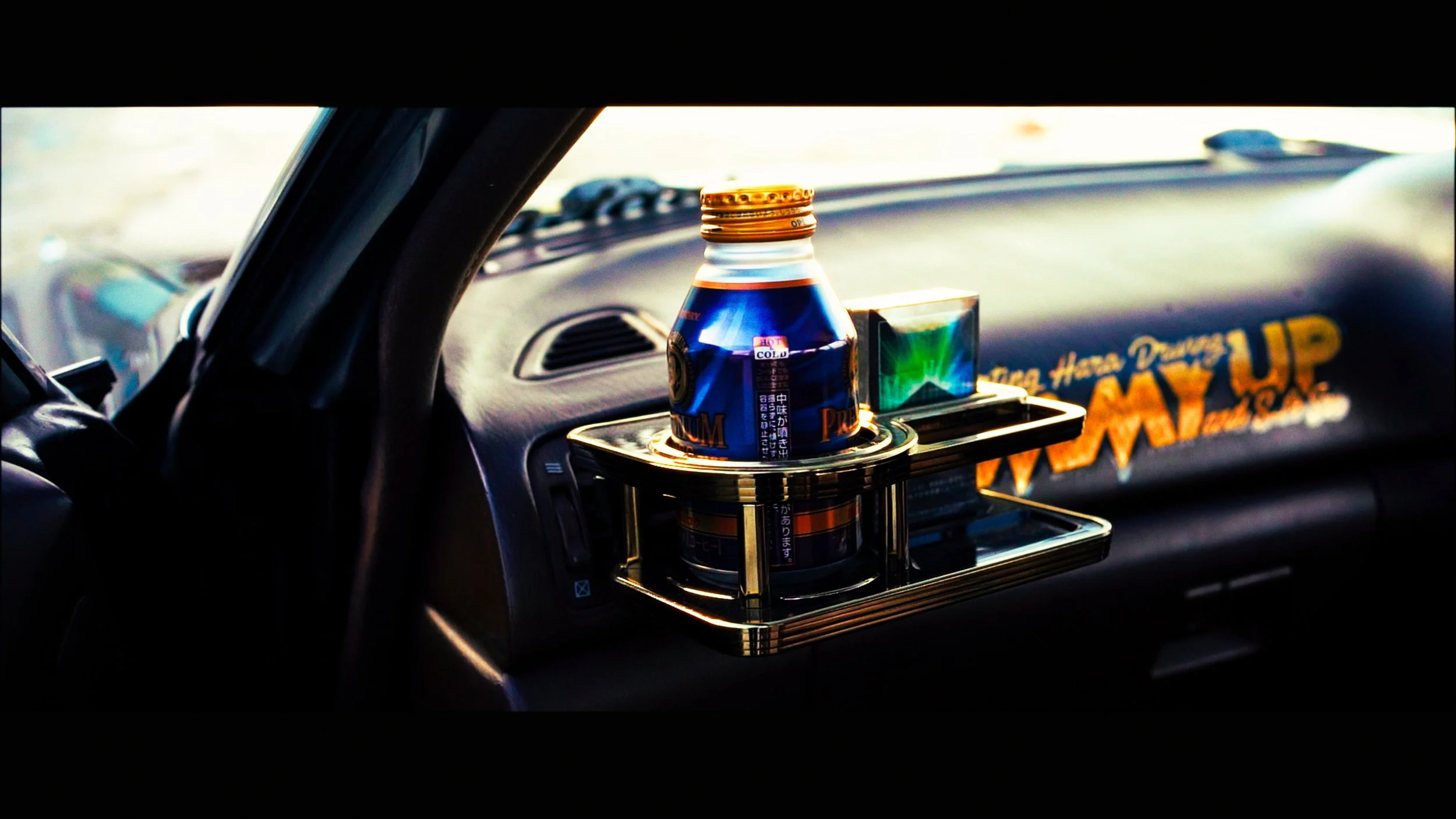
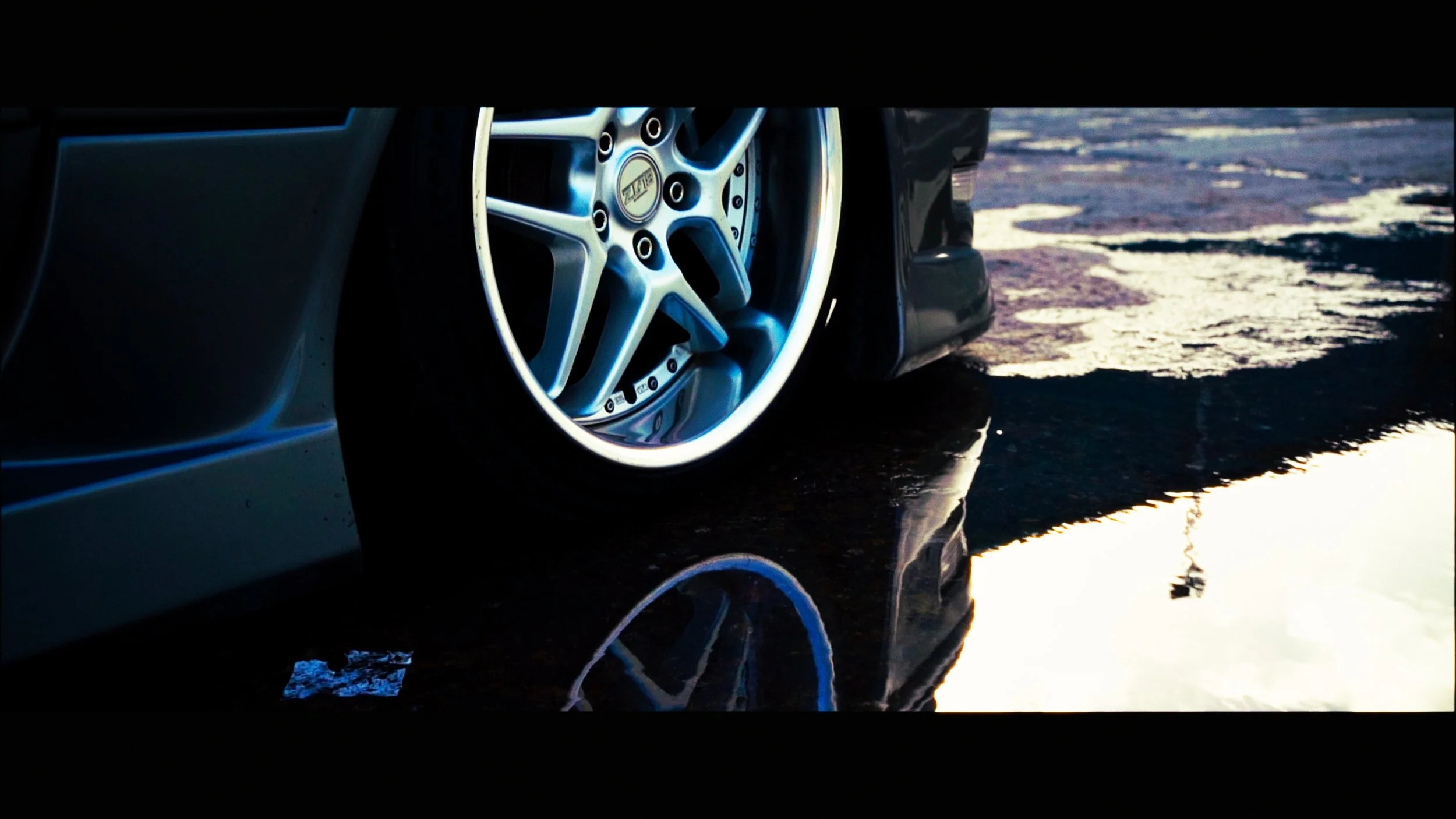
Maybe that’s where the bigger YouTube channels and social media names come in. Maybe we should be expecting more from the people with the loudest voices — not just entertainment, but a bit of leadership. Because if the culture has shifted this much without us really noticing, then it might be time to start asking who’s steering it, and where we actually want it to go.
That realisation — about the scene, about myself — didn’t arrive in one big moment. It showed up in small ways: in conversations over cups of tea, in nights that left me more drained than fulfilled, in the way I caught myself judging people.
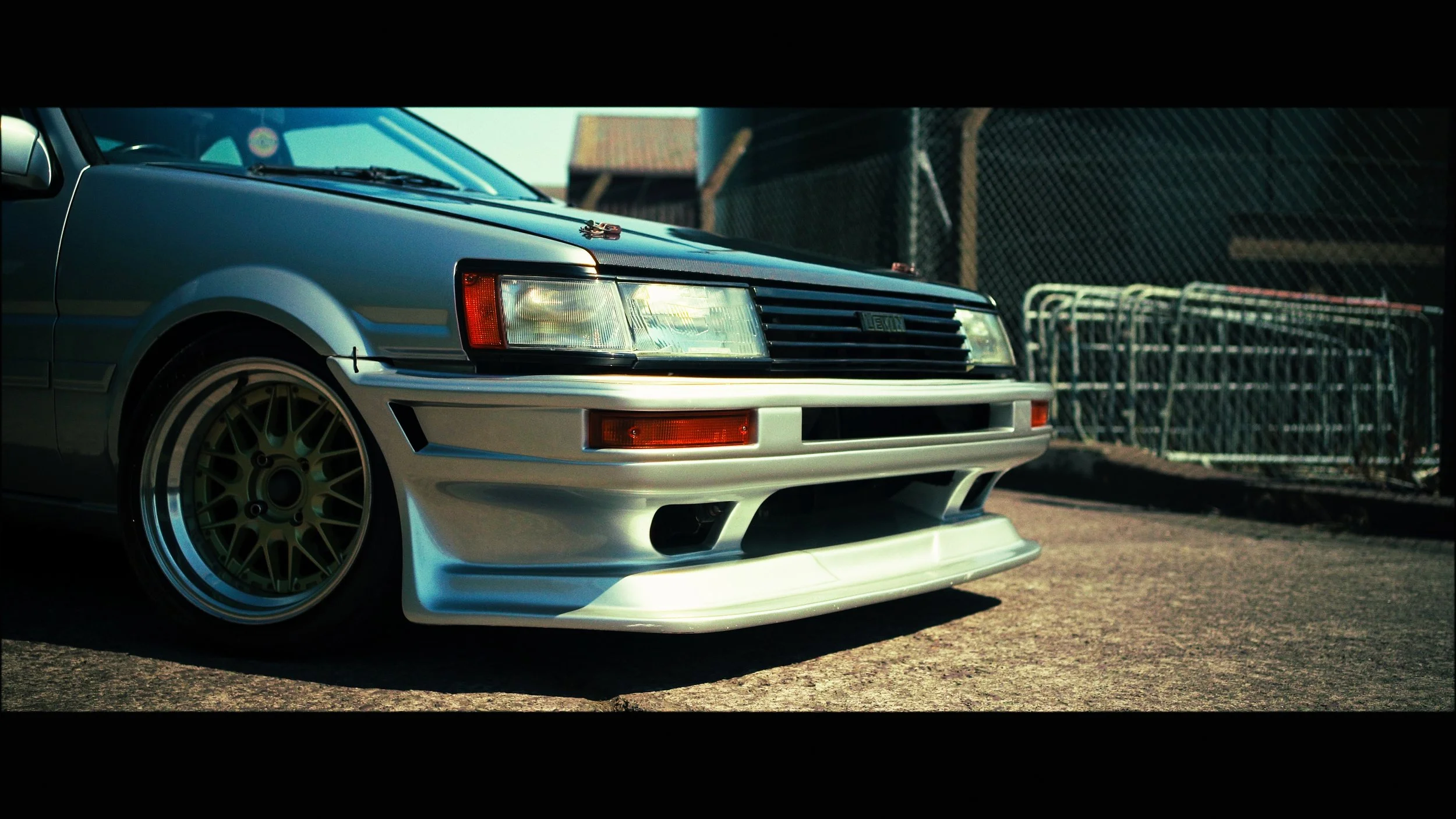
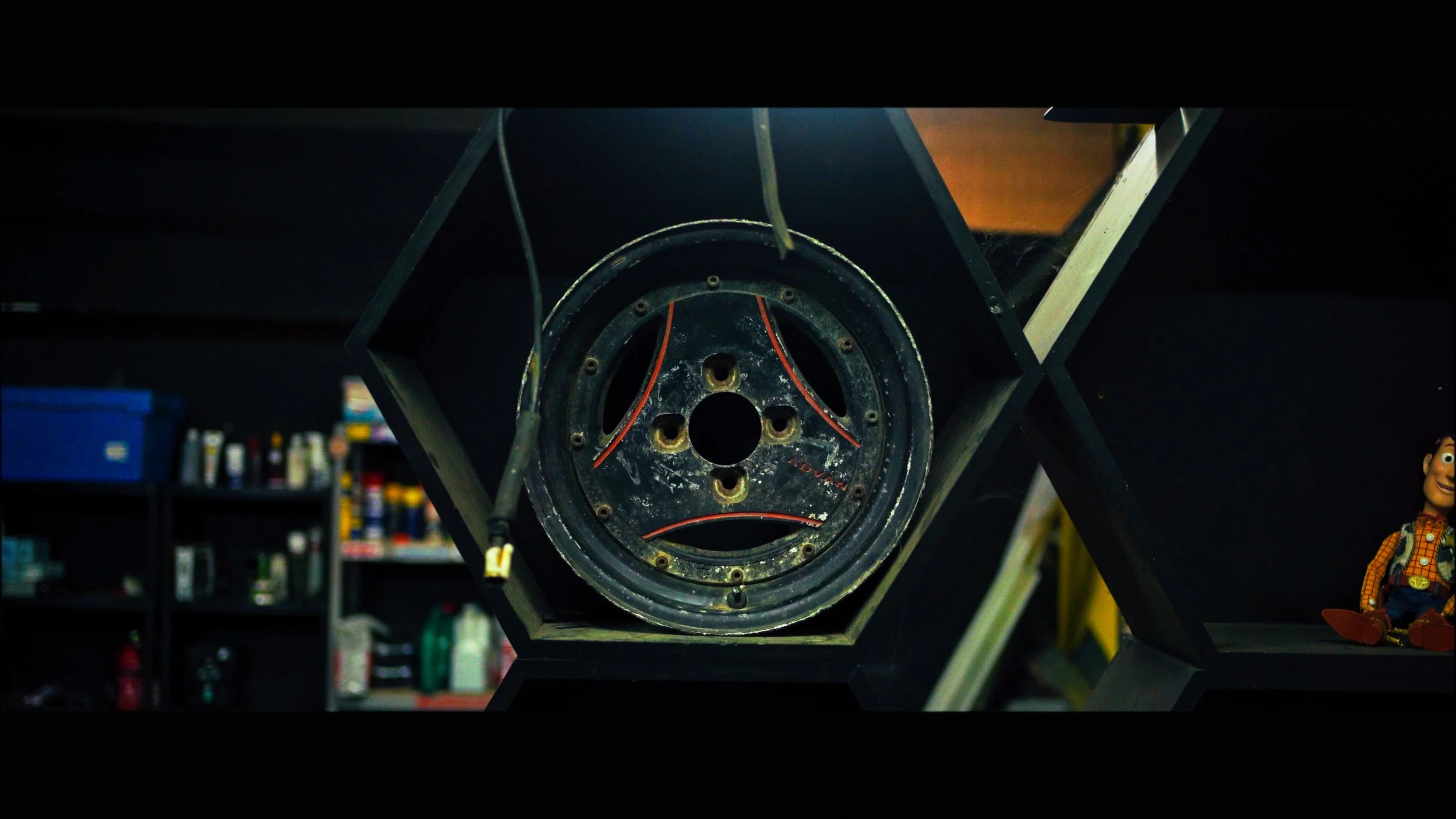
So I stepped back. Not from cars, but from that particular side of car culture. I started putting more effort into surrounding myself with people whose ideologies matched my own — people who cared more about experiences than optics, more about character than clout. People who see cars as a way to bring good people together, not as a scoreboard.
Irish car culture has changed a lot in the last thirteen years. Social media, prices, trends — they’ve all had their effect. But the biggest shift for me wasn’t out there. It was internal. Its been learning that the cars are only ever half the story. The other half is far more layered and complicated.
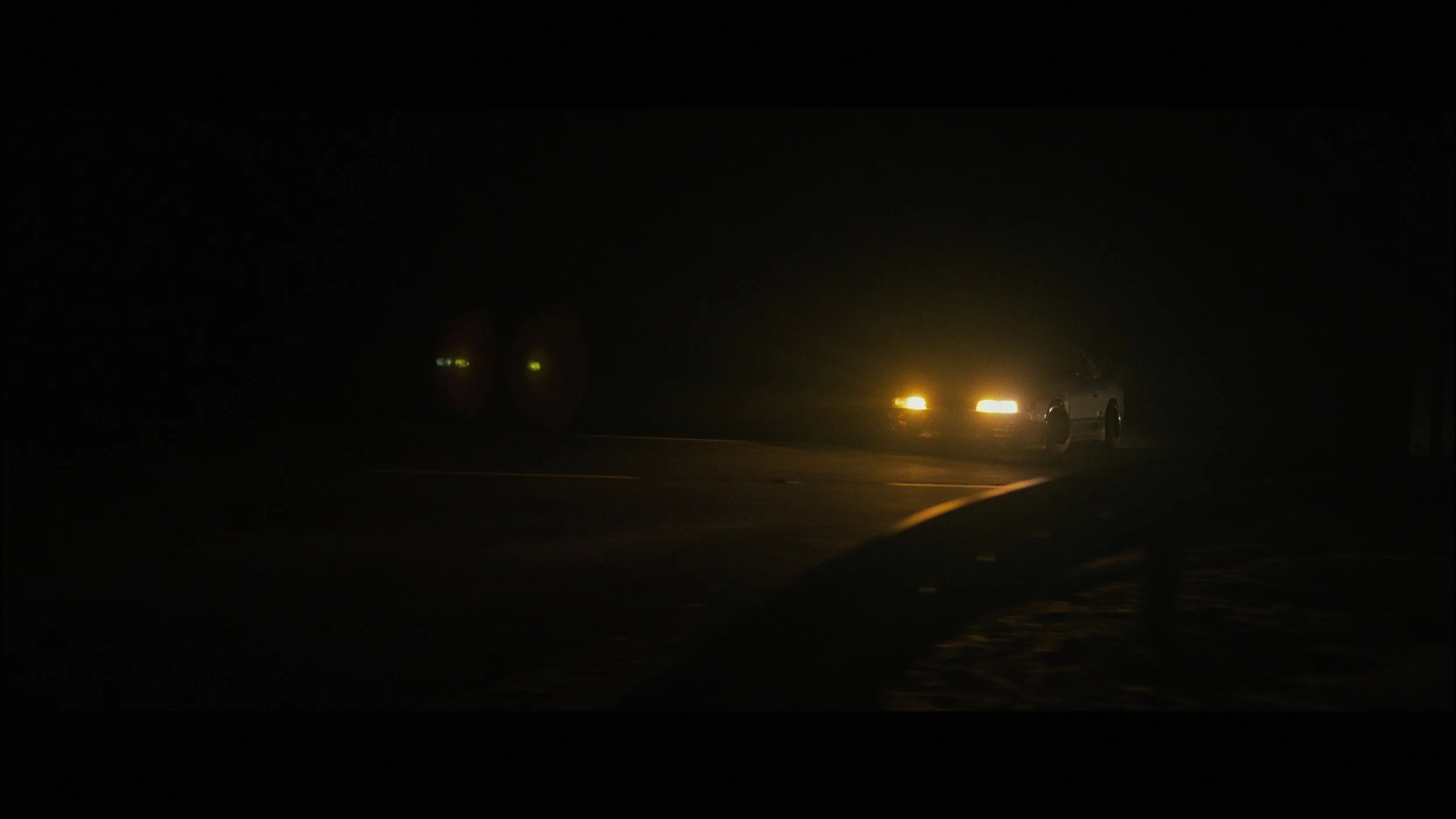
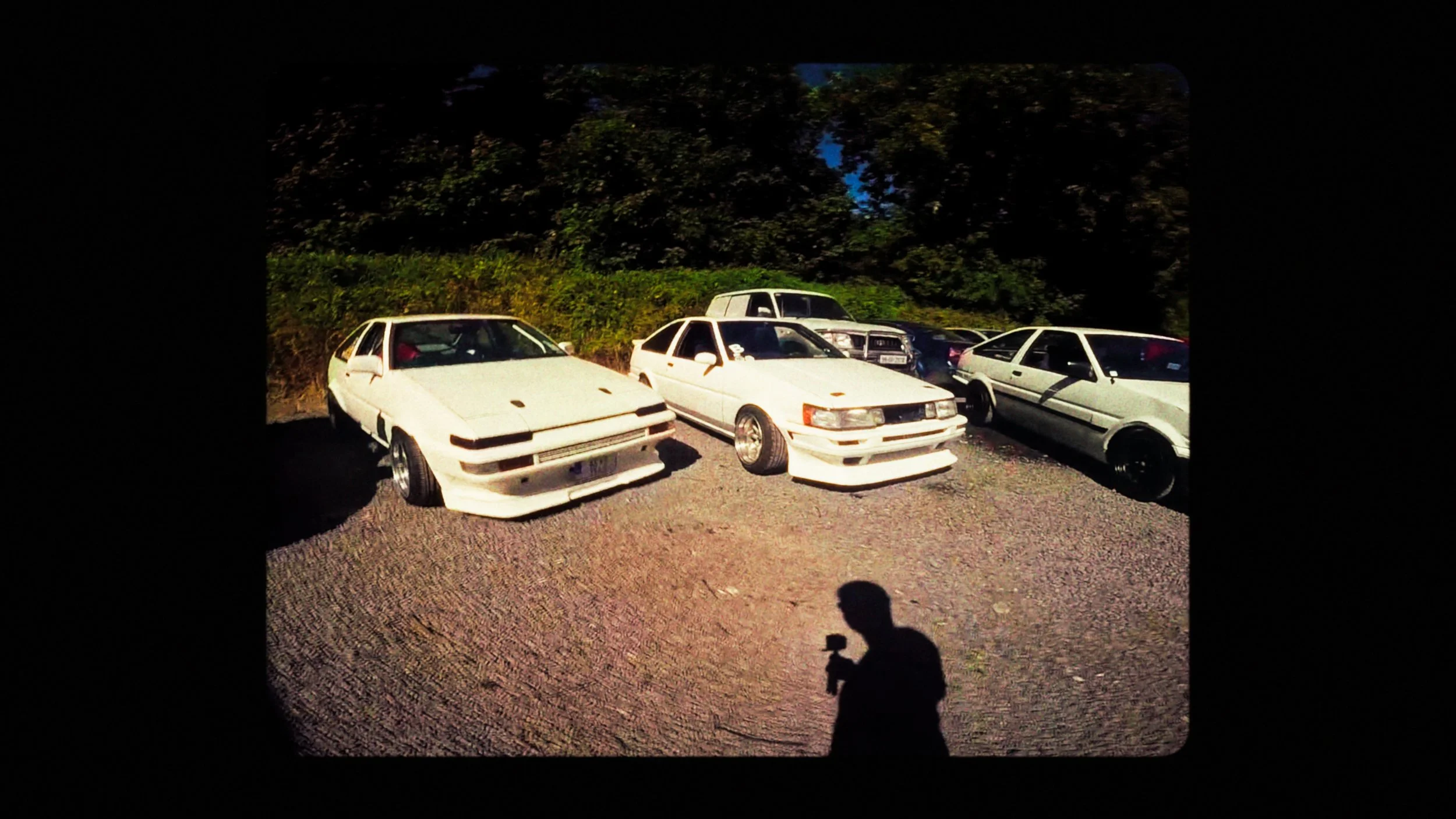
These days, I’m far more protective of that. I still love everything about Japanese cars, still love the late nights, the road trips, the quiet moments in a cold shed fitting something that only three people on earth will ever notice. But I try to do it with people who keep me grounded, not performative. People who remind me that there’s a life outside this, and that it’s okay to step away from the noise from time to time.
ZeroTeam is my way of documenting it all. Not just how Irish car culture has evolved, but how my relationship with it has evolved too. The teenage version of me wanted to be part of any scene that would have him. The version of me now wants to build something honest, even if it’s smaller, even if it’s quieter.
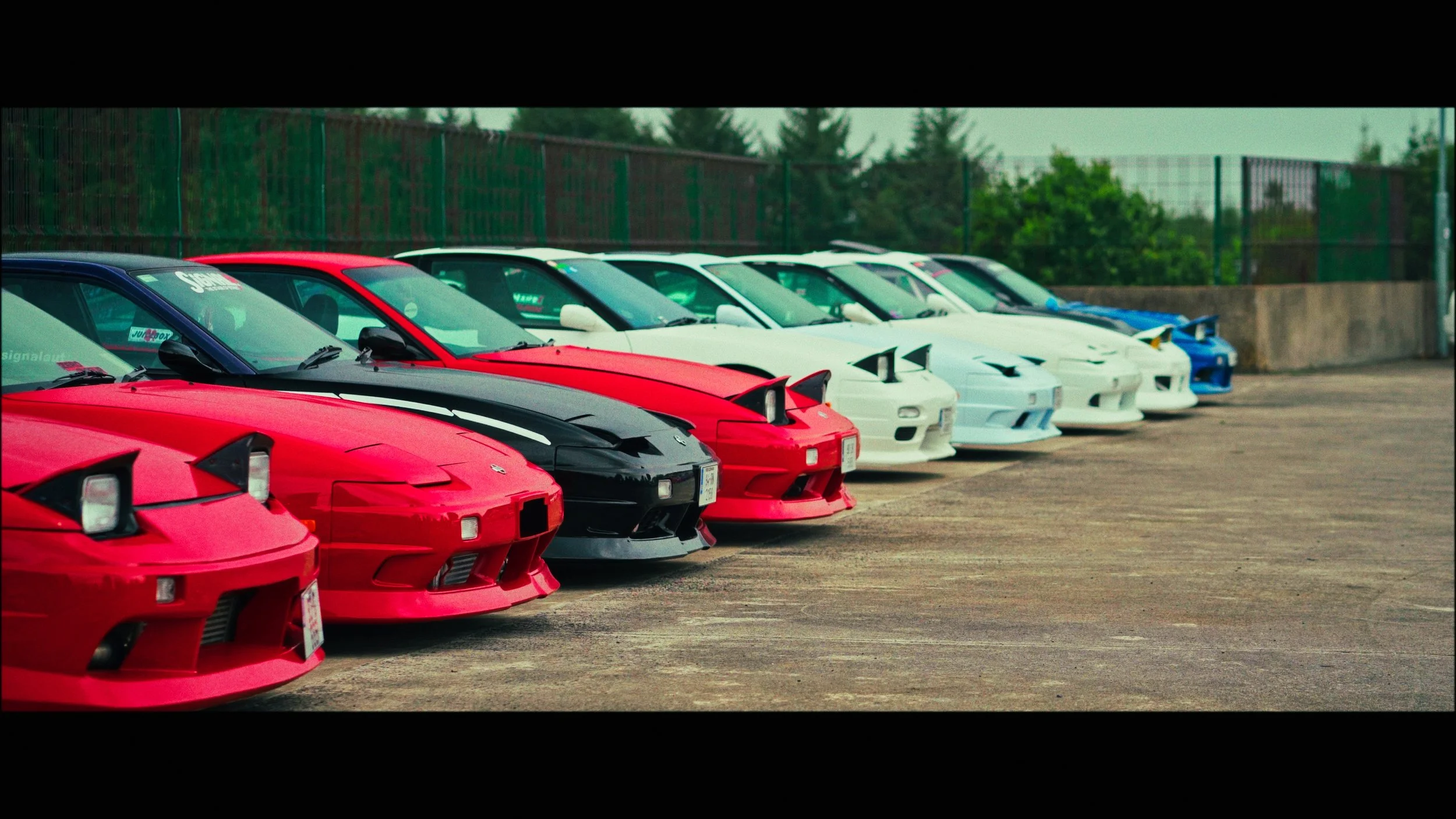
If you see a bit of yourself in any of this — in the good parts or the uncomfortable parts — you’re not alone. We’re all trying to find our place in this thing. Just make sure that in the process of chasing the cars and the culture, you don’t lose sight of the person driving.
Thanks for watchin'
Mind yourself.
