

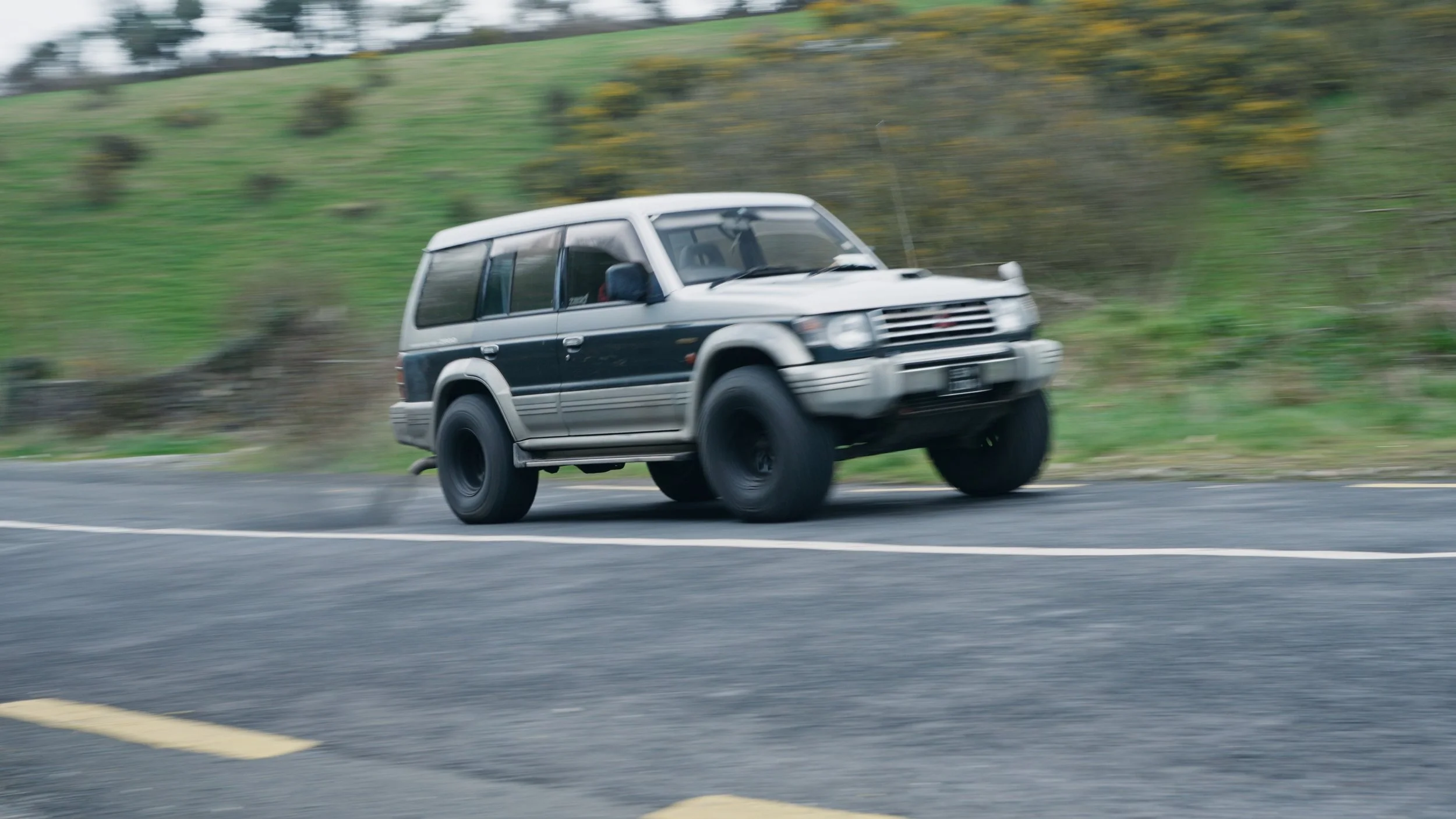
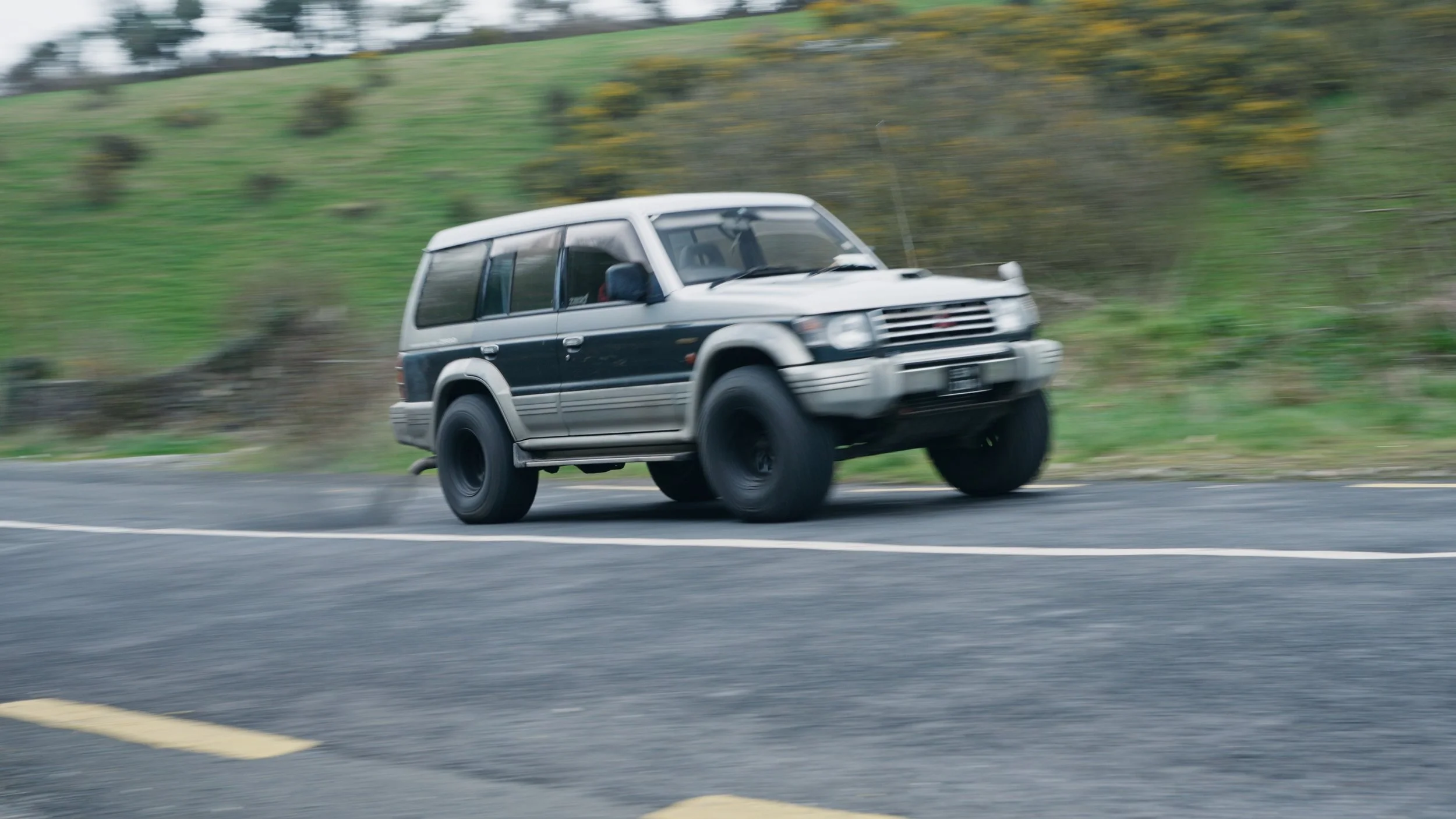
This is my 1995 Mitsubishi Pajero
Another three thousand kilometres. The same Pajero, similar journeys but a very different story. Since the last video, the Pajero’s been back with Brian at Old Timer Automotive for a bit of refinement. Nothing too major — just the kind of work that keeps a thirty-year-old diesel tickin' over.
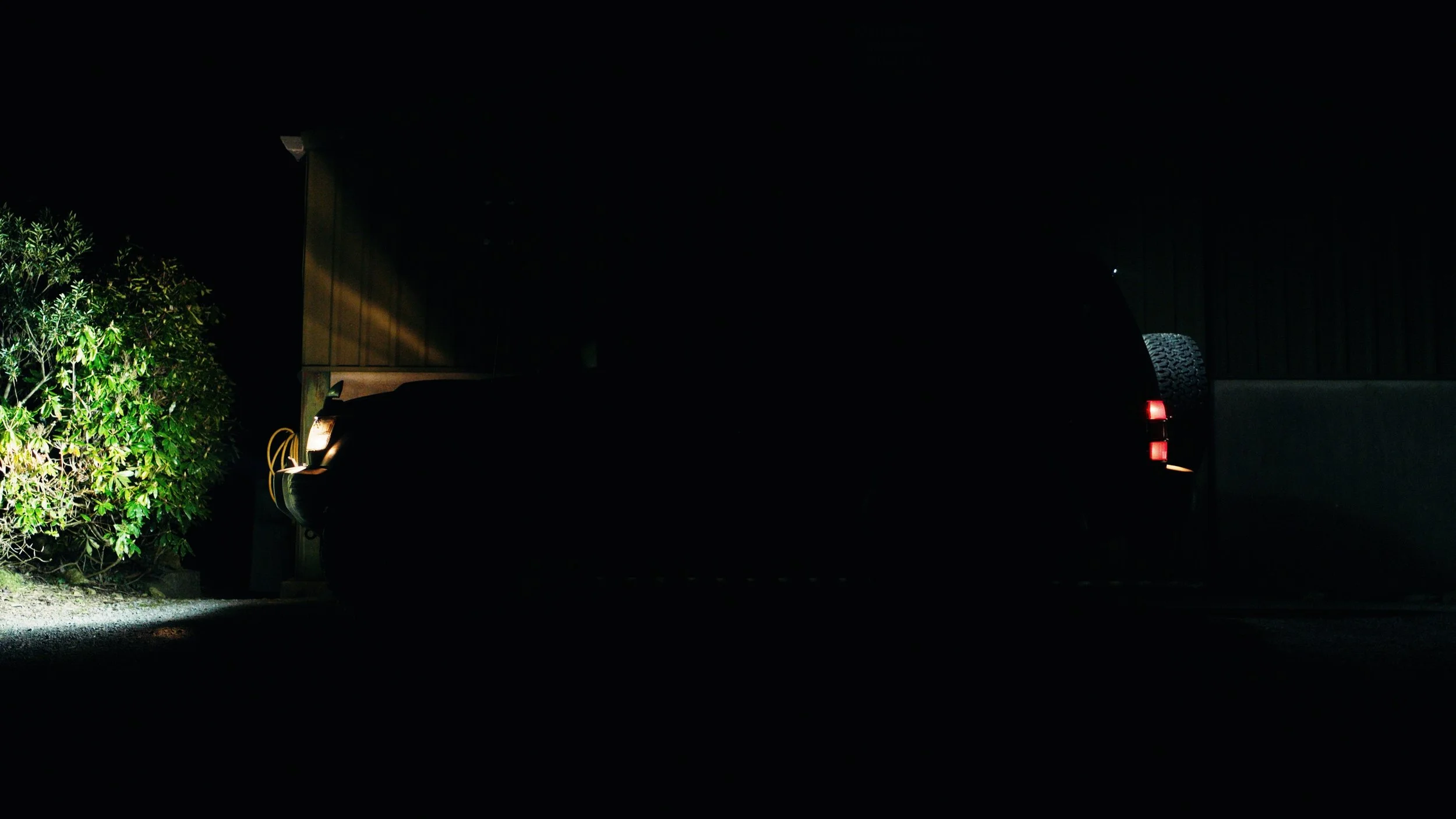
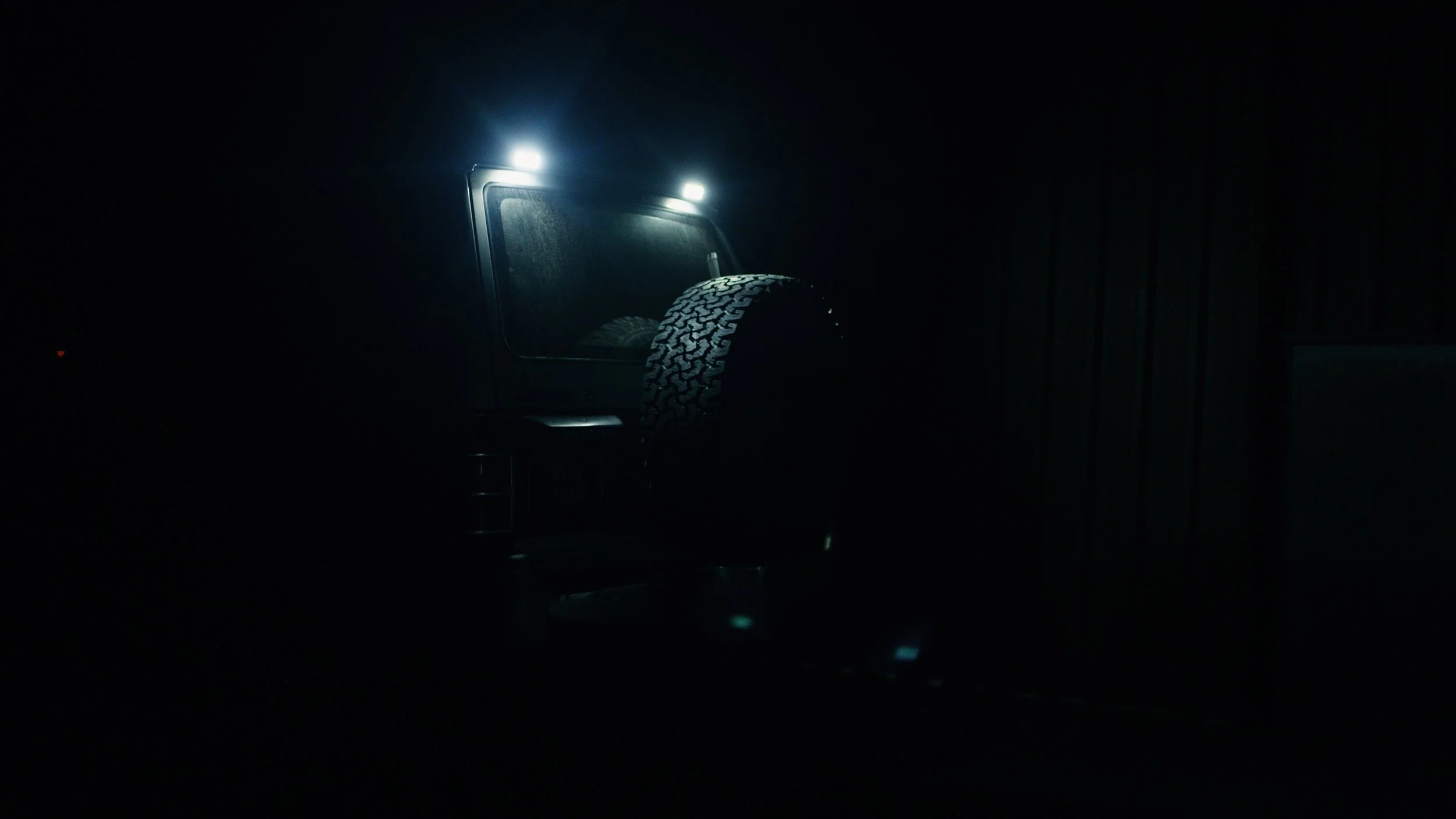
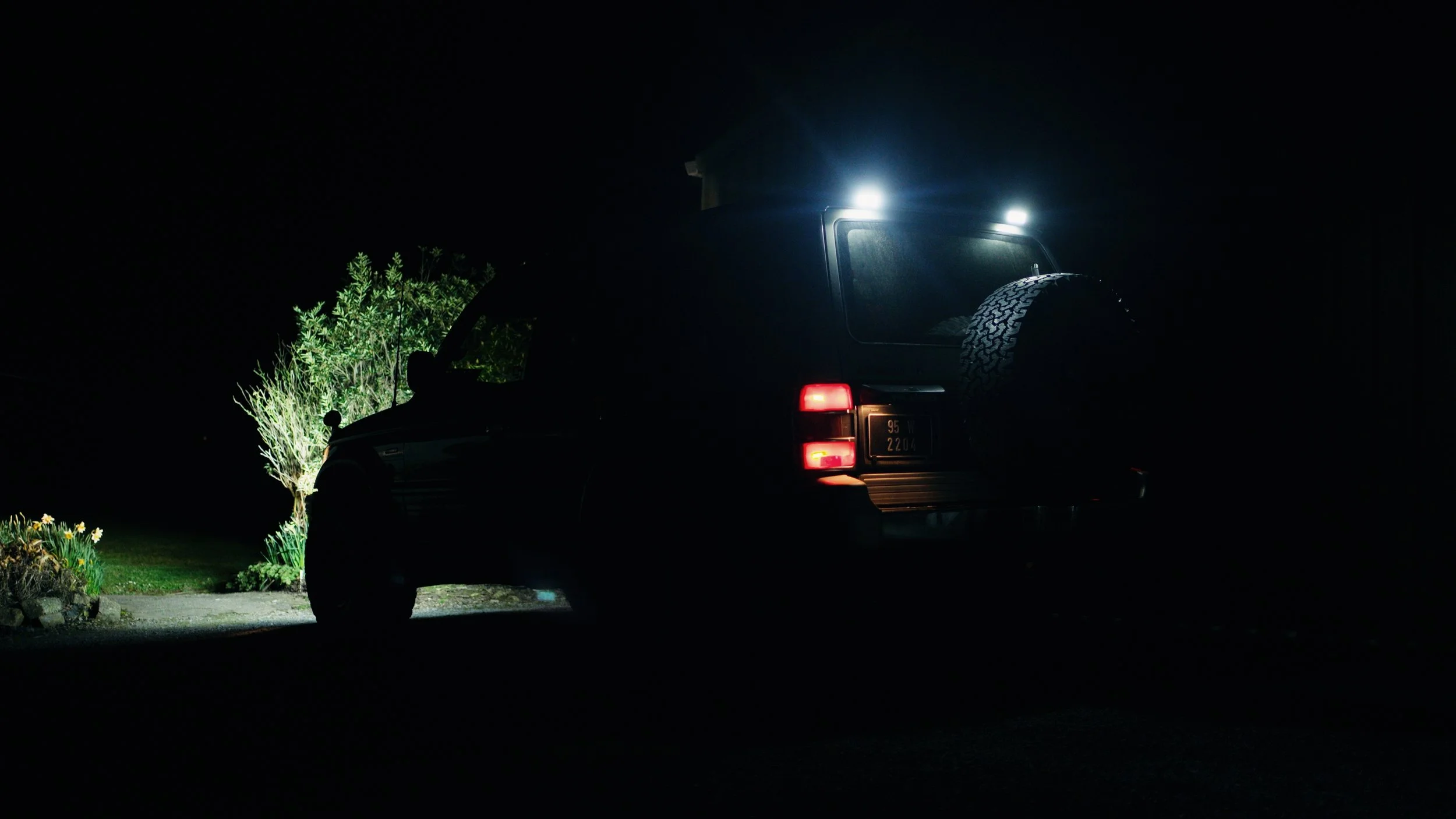
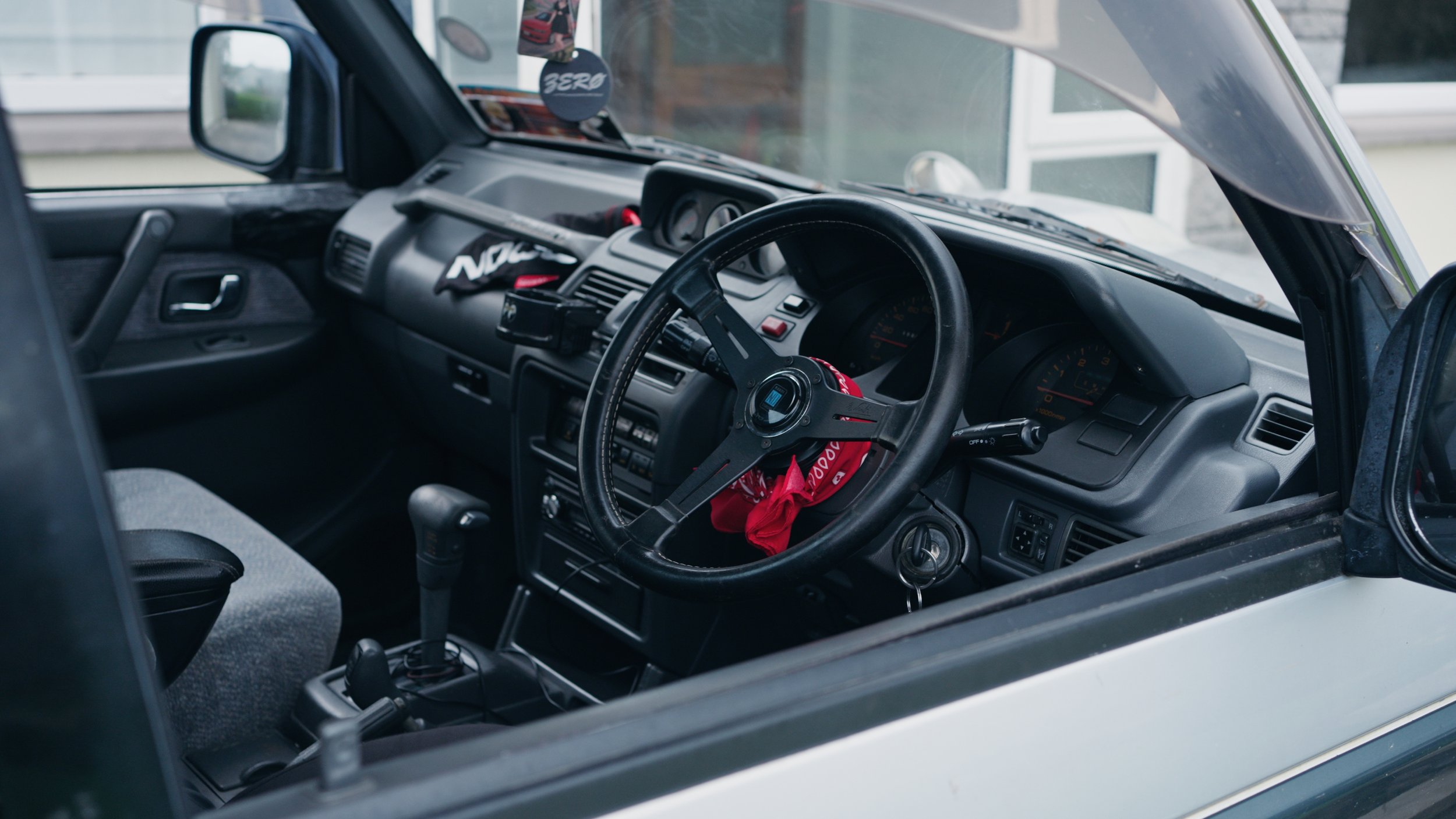
Brian fitted a fresh set of injectors, a new radiator, and a fan shroud which I sourced direct from Mitsubishi Japan. Whilst he was under the bonnet he tidied up a few oil leaks that had been marking their territory under the jeep for the last few months. While it was there, I also asked him to wire in a pair of LED spotlights on the rear. Something practical — not flashy — but properly useful. They’ve been a huge help when I’m loading up a trailer late at night, working from the back of the jeep, or even just reversing down an unlit road in the middle of nowhere. Around the same time, I had Brian install a basic independent water temperature gauge into the centre console, right where the old inclinometer used to sit. The 4M40 in these Pajeros has a bit of a reputation for running hot and warping the head, and with some towing on the horizon, I wanted a better idea of what was going on under the bonnet.
It’s small additions like these that make ownership easier. The kind of things you don’t notice until you really start using a vehicle properly, in a multitude of situations. And speaking of proper use — the Pajero’s first big job of the year came in January, towing my Corolla up to Mondello Park for round three of the XLi Cup with JDM Classics. Dave kindly loaned me his trailer for the trip — and it couldn’t have gone smoother. The Pajero just settled into the job like it was built for it. No complaints, no fuss, just steady power and confidence the whole way there and back.
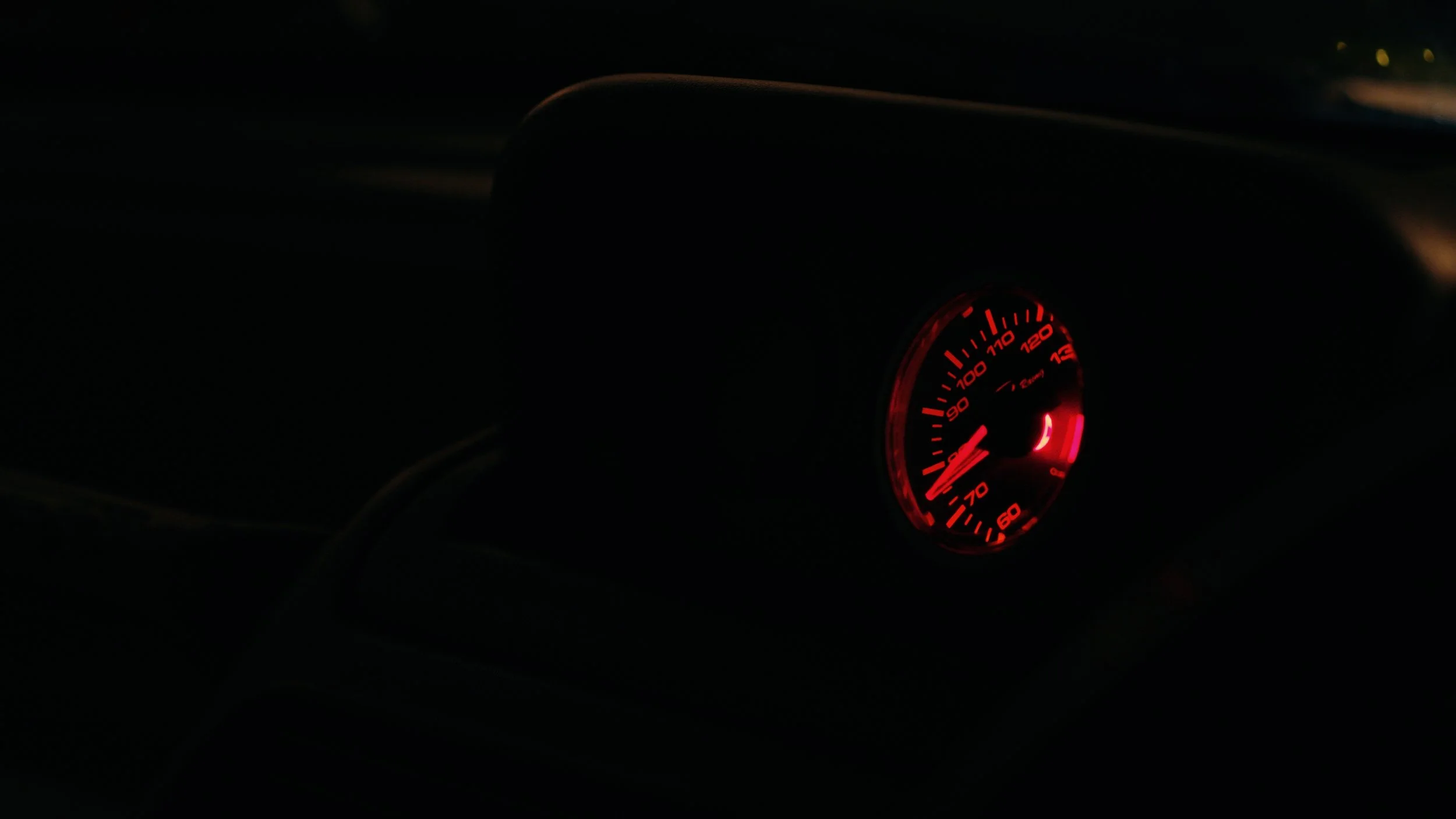
That run to Mondello did teach me something about that first temp gauge, though. Its range was tiny — 40, 60, 80, 120 — so while I could see the needle move, it was hard to tell exactly what the engine was doing. When I got back, I decided to swap it out for a better unit from MCG, made by Depot Racing, with a much wider and more useful scale. Any little jump in temperature would be that bit easier to spot.
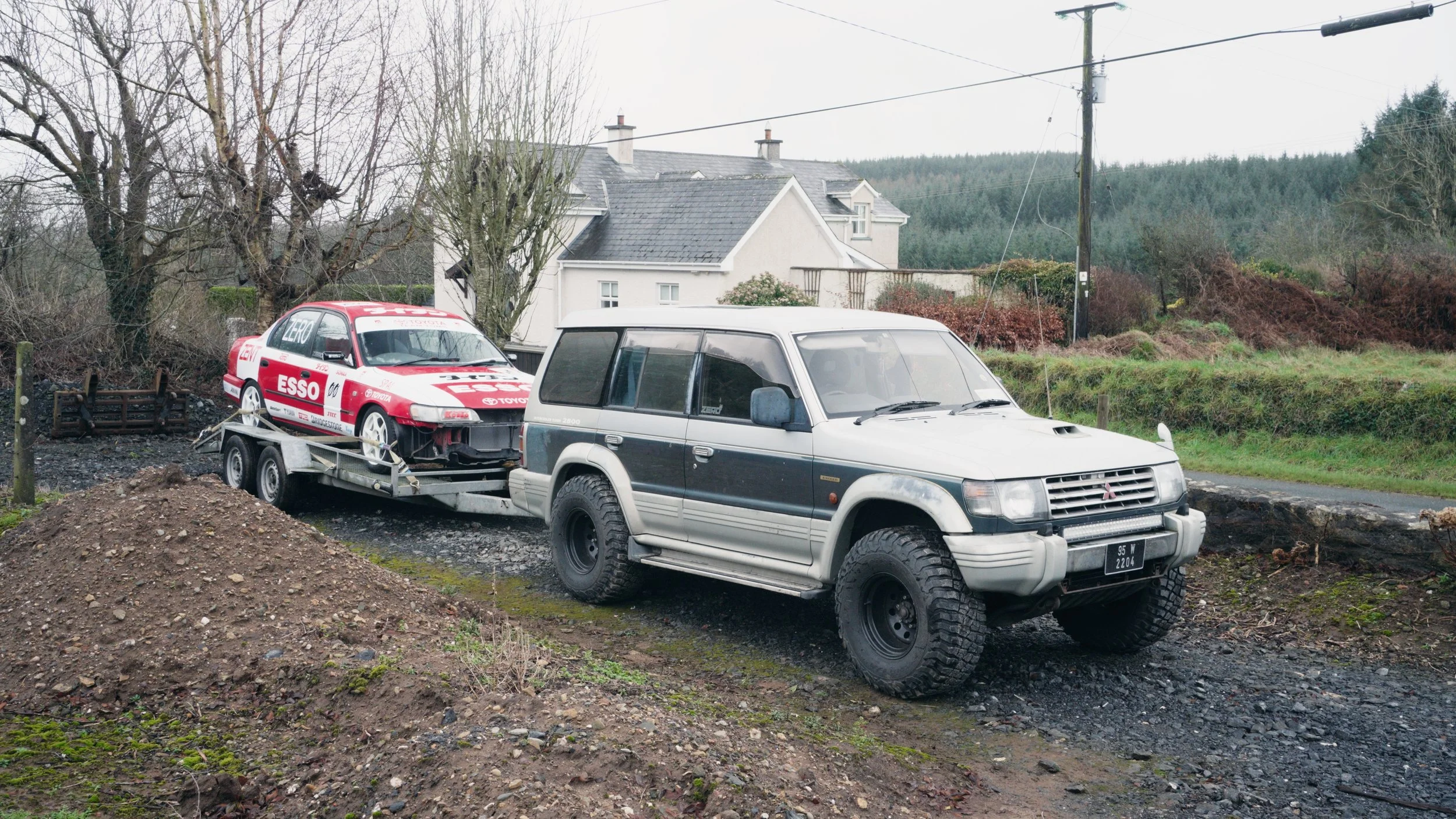
There’s something surreal about seeing one of your cars pulling another. The Corolla’s a lot lighter than most things people tow with these, but still — it proved that the Pajero isn’t just a weekend cruiser. It’s a proper workhorse when you need it to be.
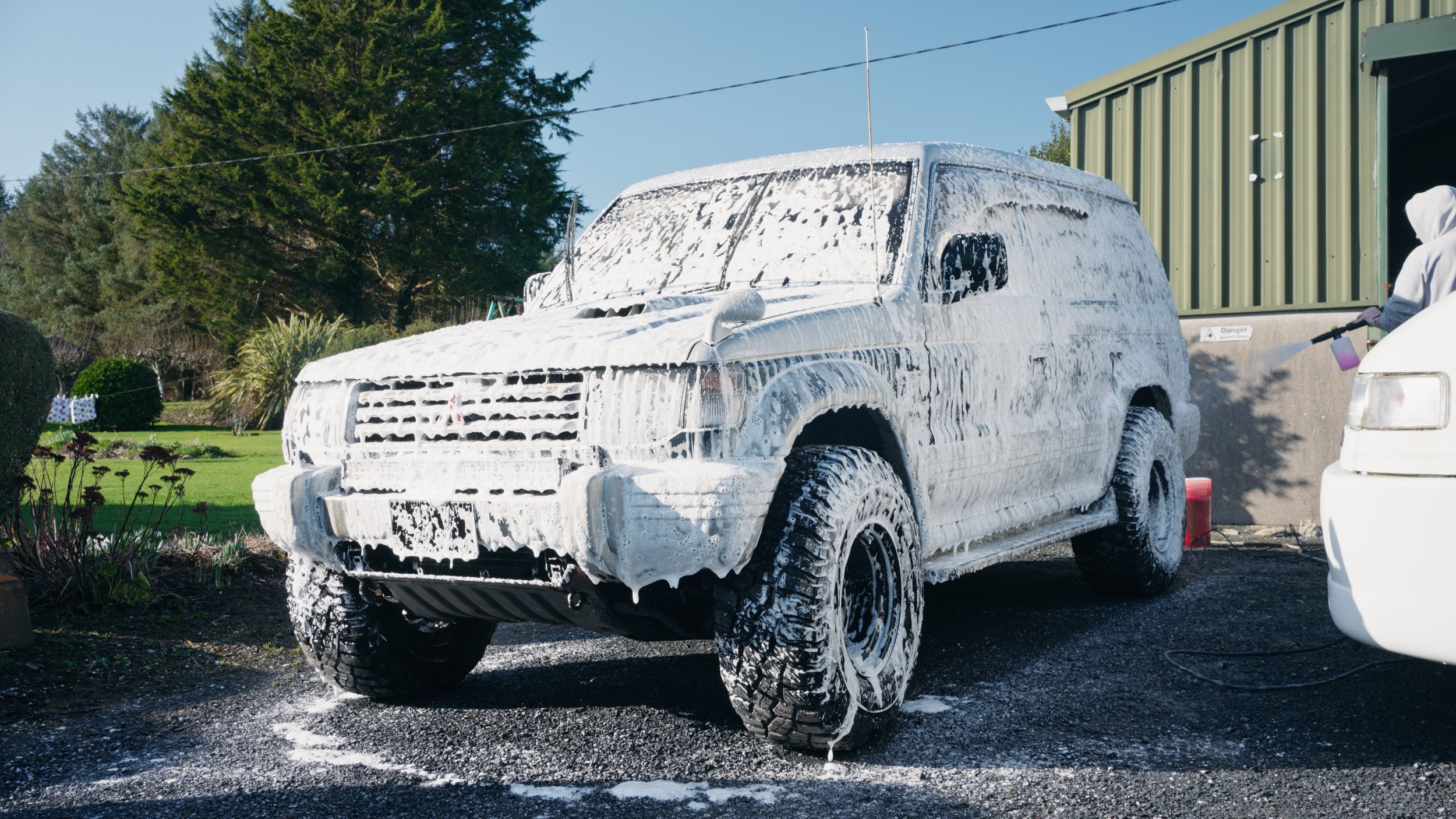
After its first big day out, I had taken the following day off work and decided to treat the jeep to its first wash since I've owned it. Its no small undertaking, washing something of this size, however, when theres so much moss on the sideskirts that someone nearly slips on them, its probably time to break out the power washer.
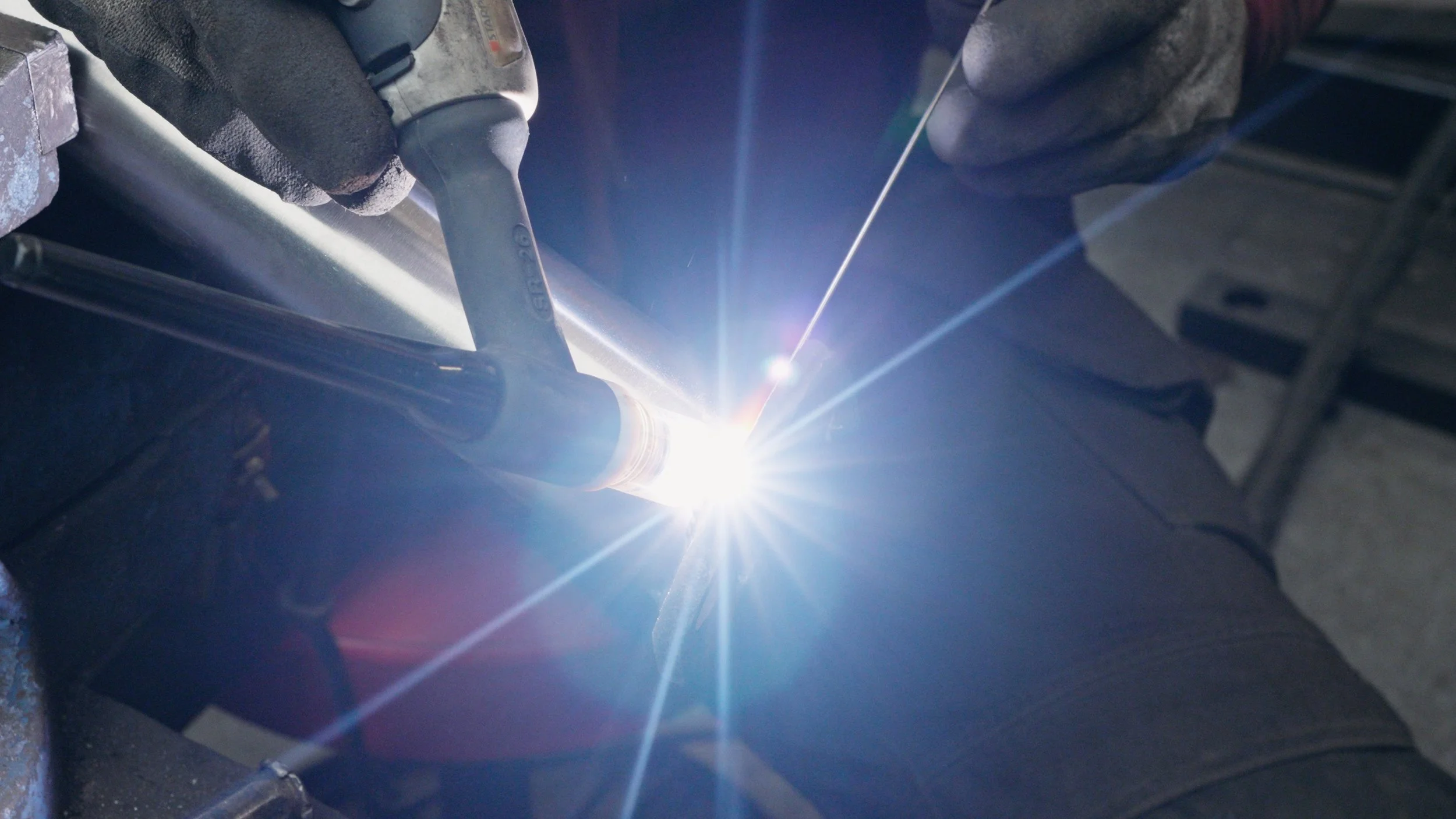
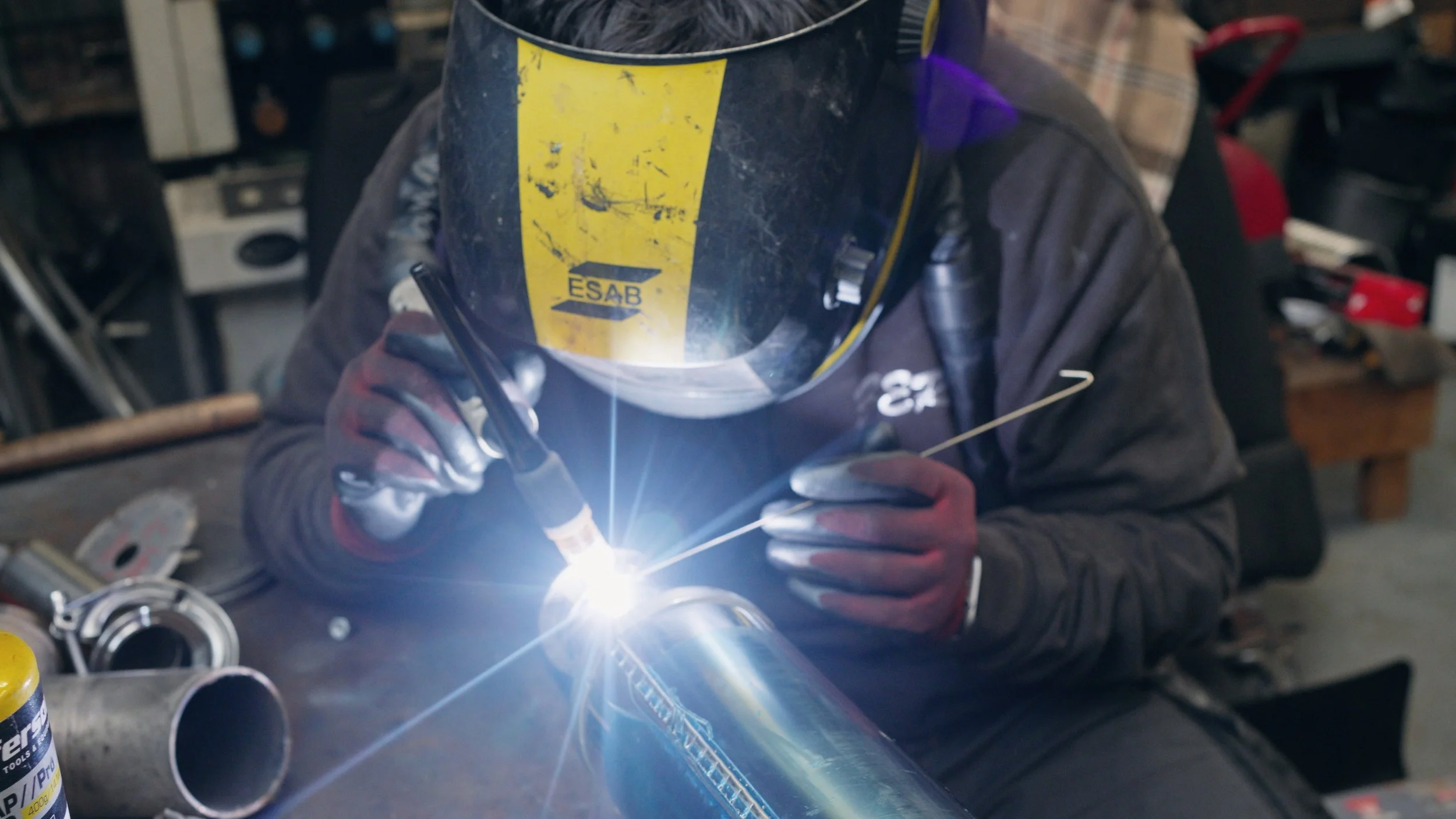
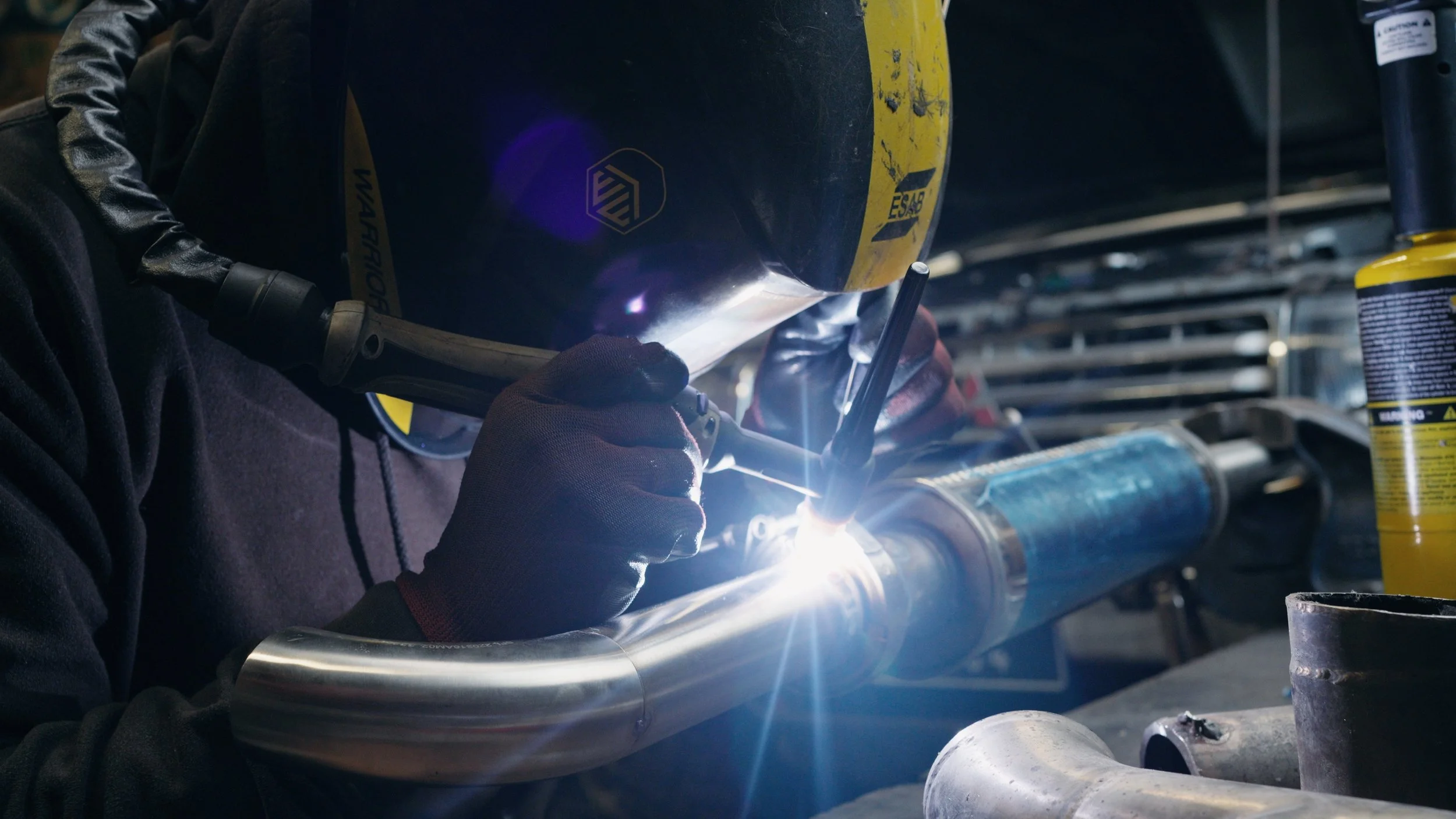
After a few more early starts, I also noticed the jeep beginning to sound a bit rough on colder mornings. On closer inspection, the culprit was familiar: the bracket that adjusts the cold-start timing had cracked again. It was already split when I first bought the Pajero, and when it’s broken it constantly advances the timing which introduces a really harsh diesel knock, especially when the engine is cold. Tracking down a replacement has been harder than you’d think — it’s not available to buy on its own as its considered a component of the fuel pump — so for now I’ve been resigned to welding it back together and hopefully it doesn't fail me again.
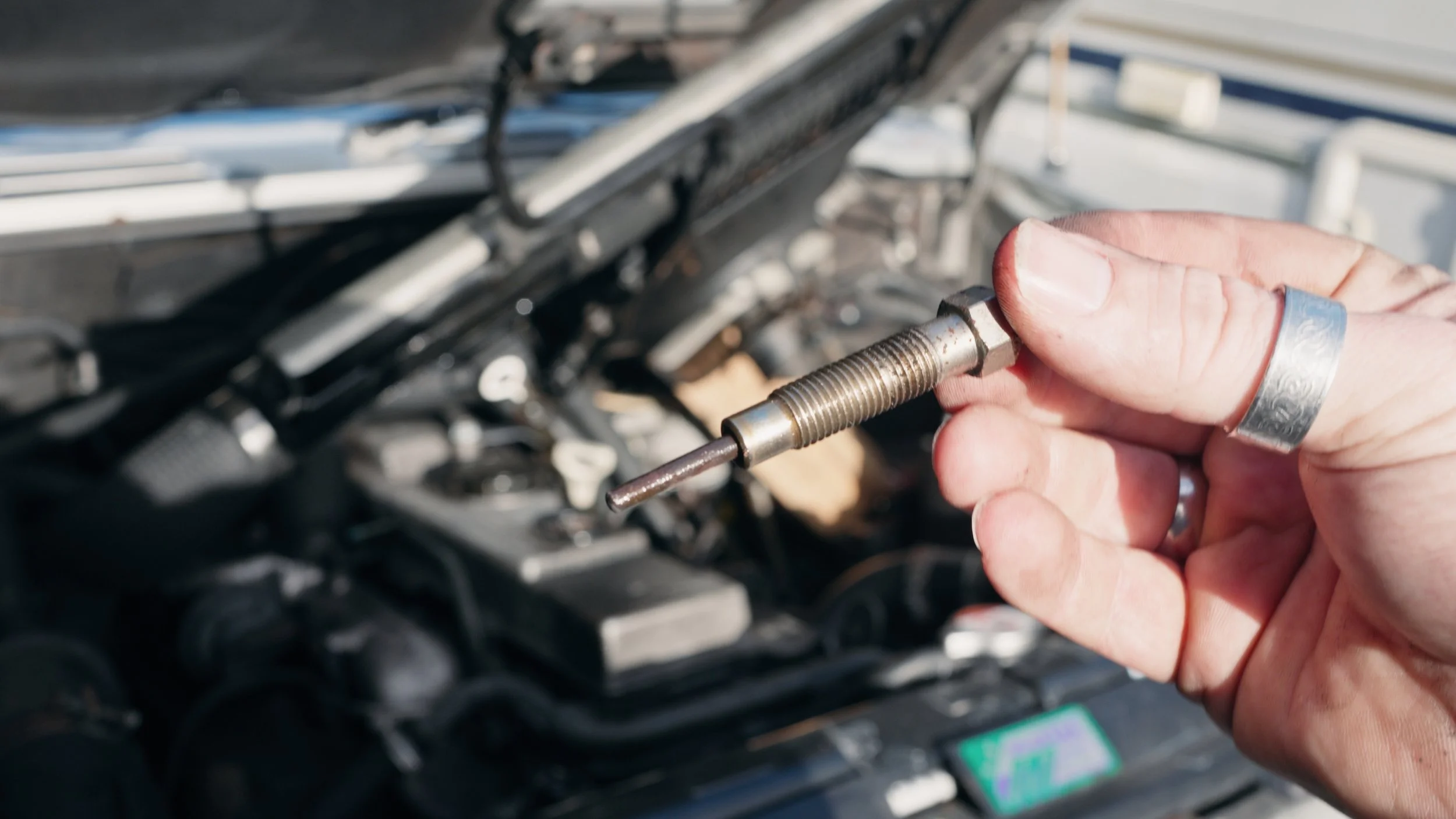
After tidying up some residual oil on the chassis from the previously mentioned leaks, it was time to make some everyday improvements. A new set of glow plugs drastically reduced that previously mentioned cold start knock. On closer inspection, the plugs I removed were dated December 2017 so its fair to say the 30 euro I paid for new ones was money well spent.
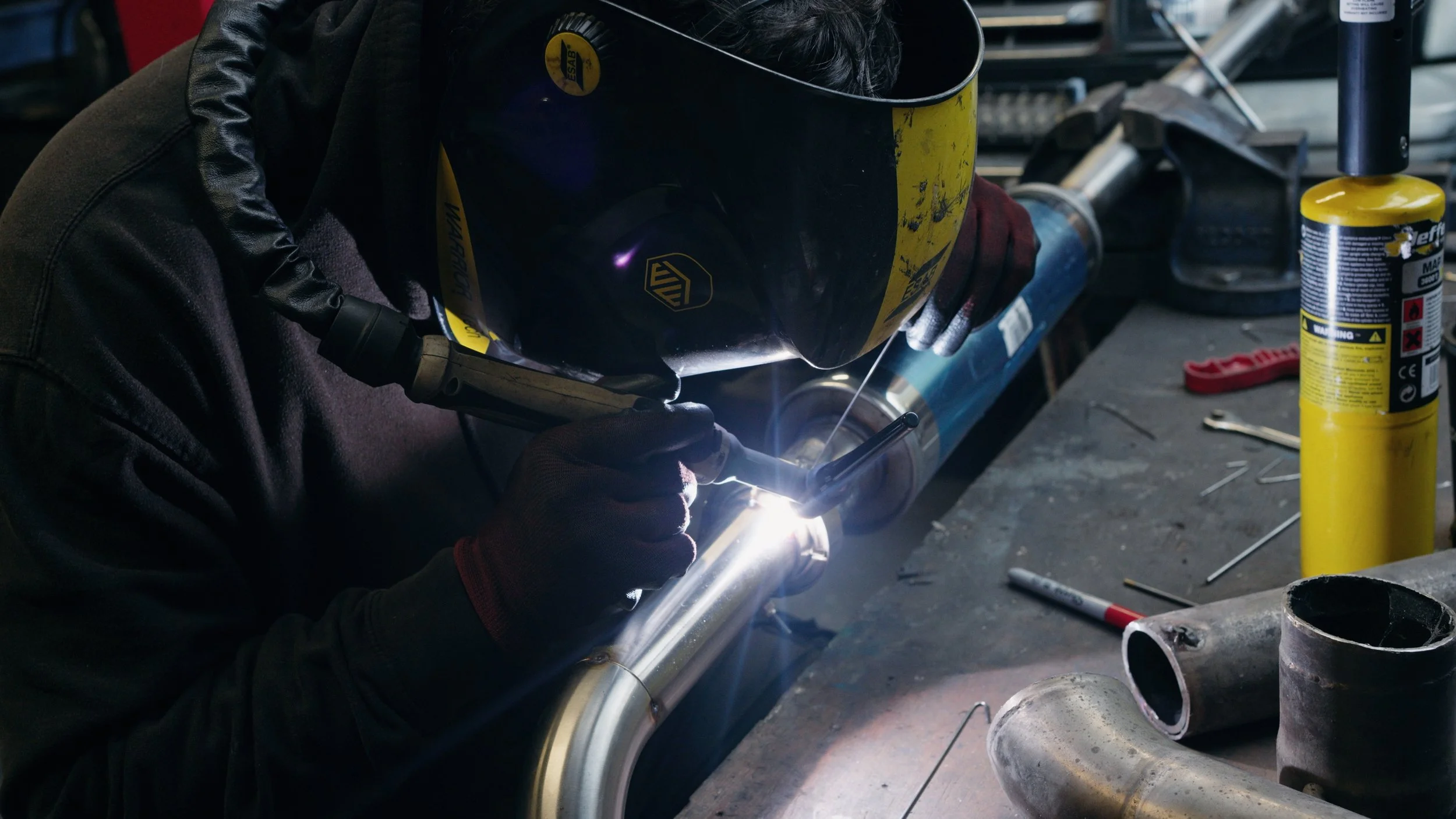
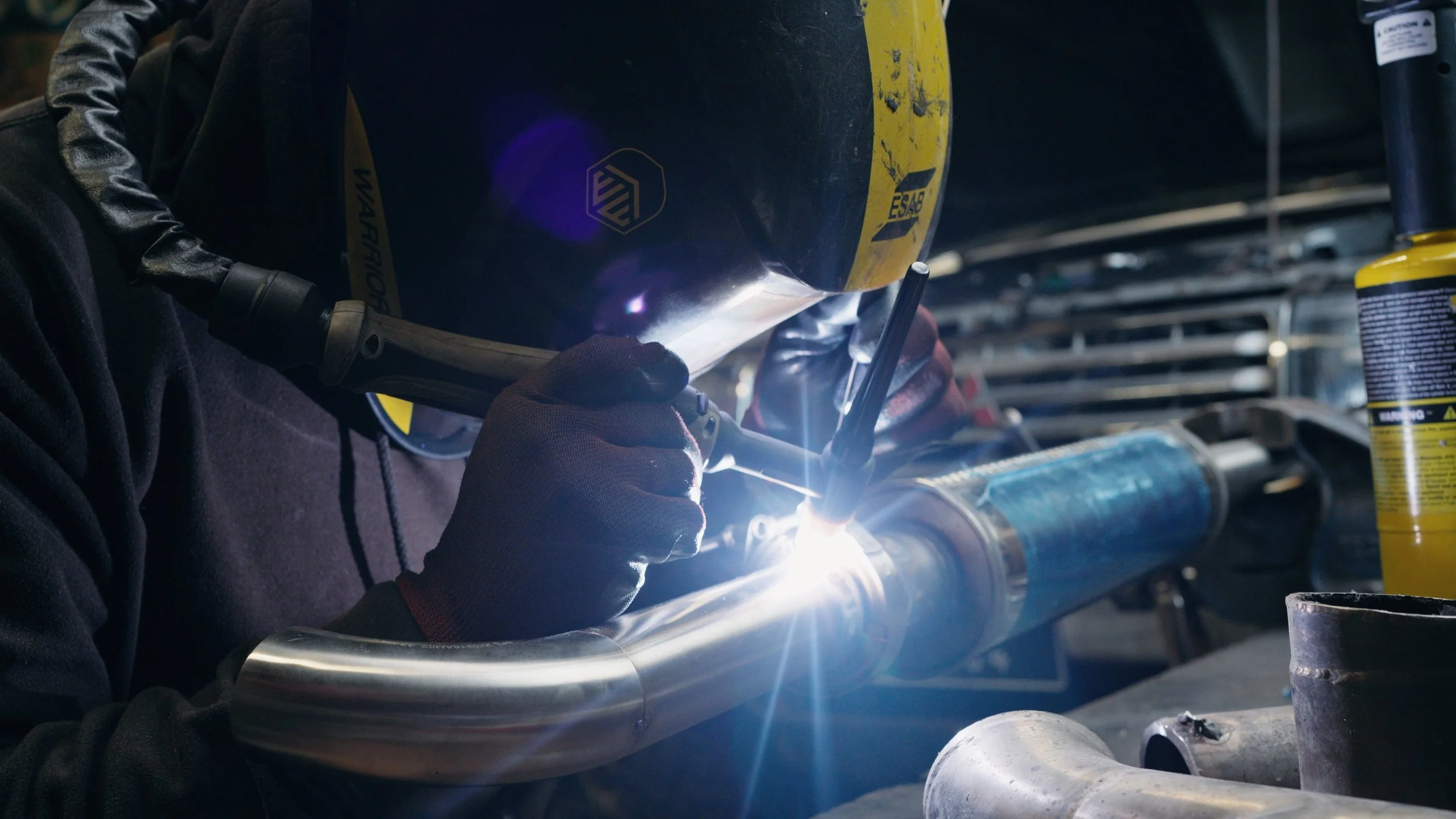
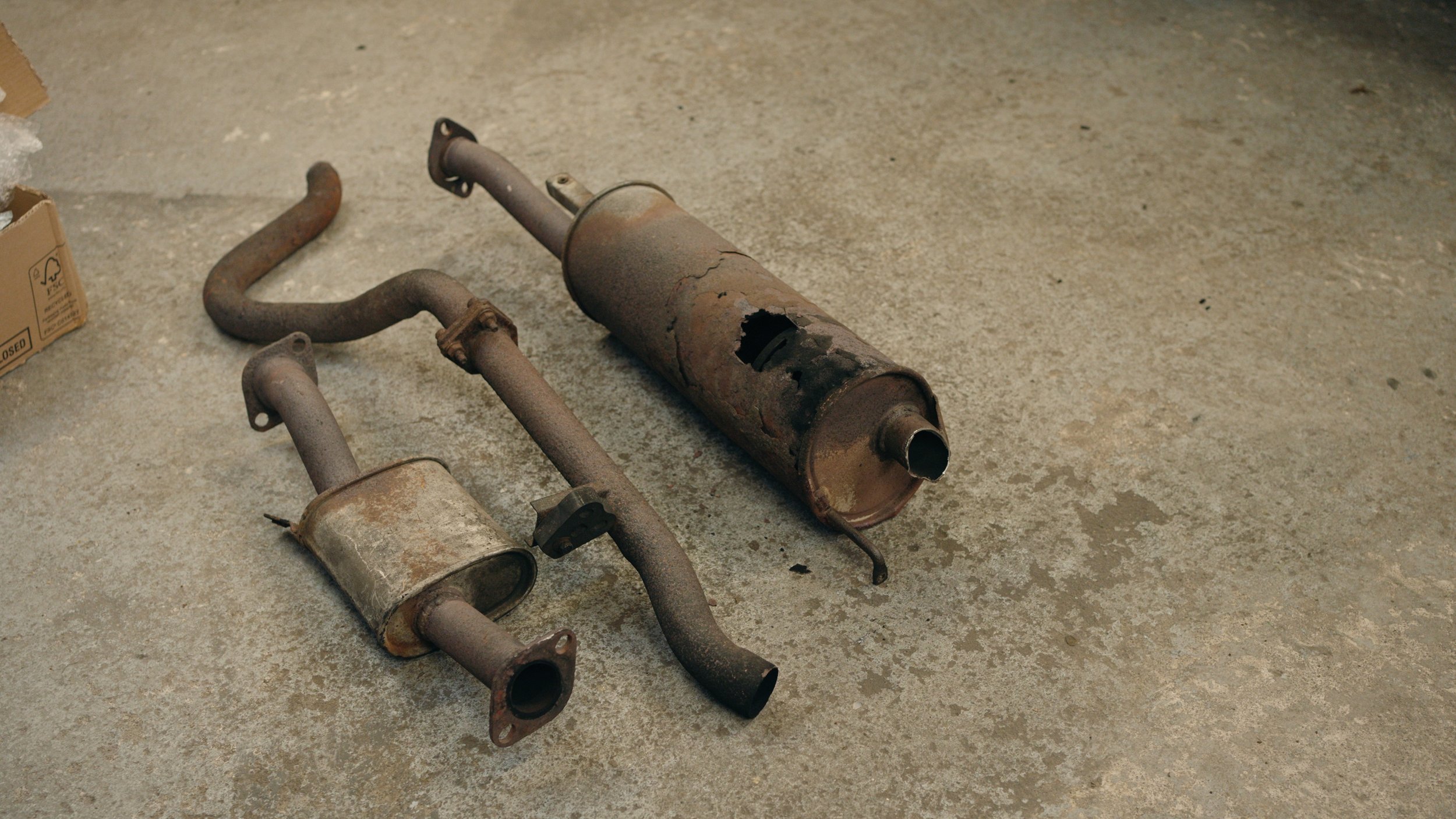
That trip to Mondello also highlighted a few weak spots I already suspected were there. The standard exhaust, which Dave had patched for me after the Valentia trip last September, finally gave up. The mid‑box has completely collapsed, and a few of the joins have split and separated. I could have gone online, spent somewhere between three and five hundred euro on a replacement system, bolted it on and moved on with my life — but that’s not particularly interesting, is it?
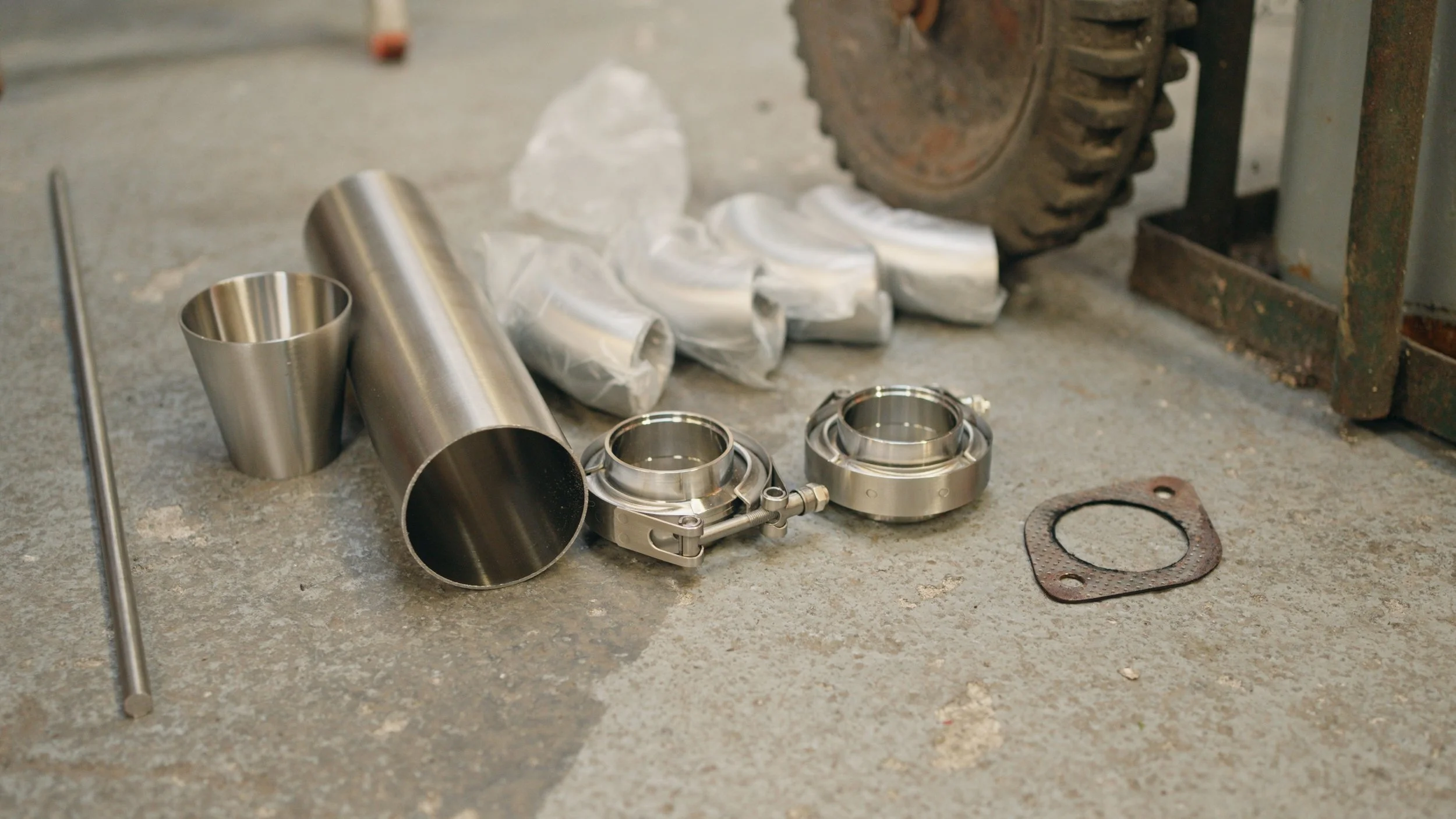
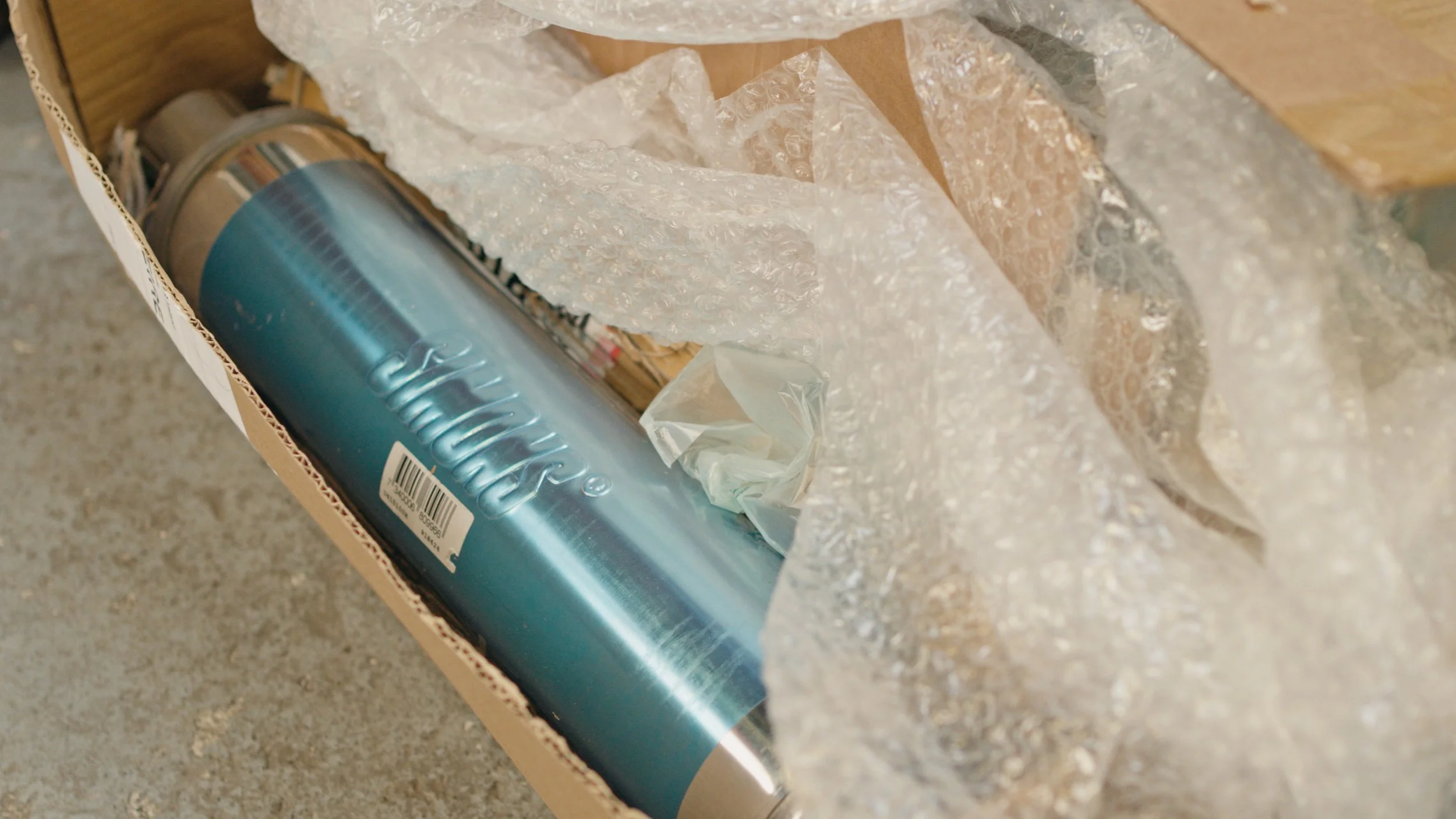
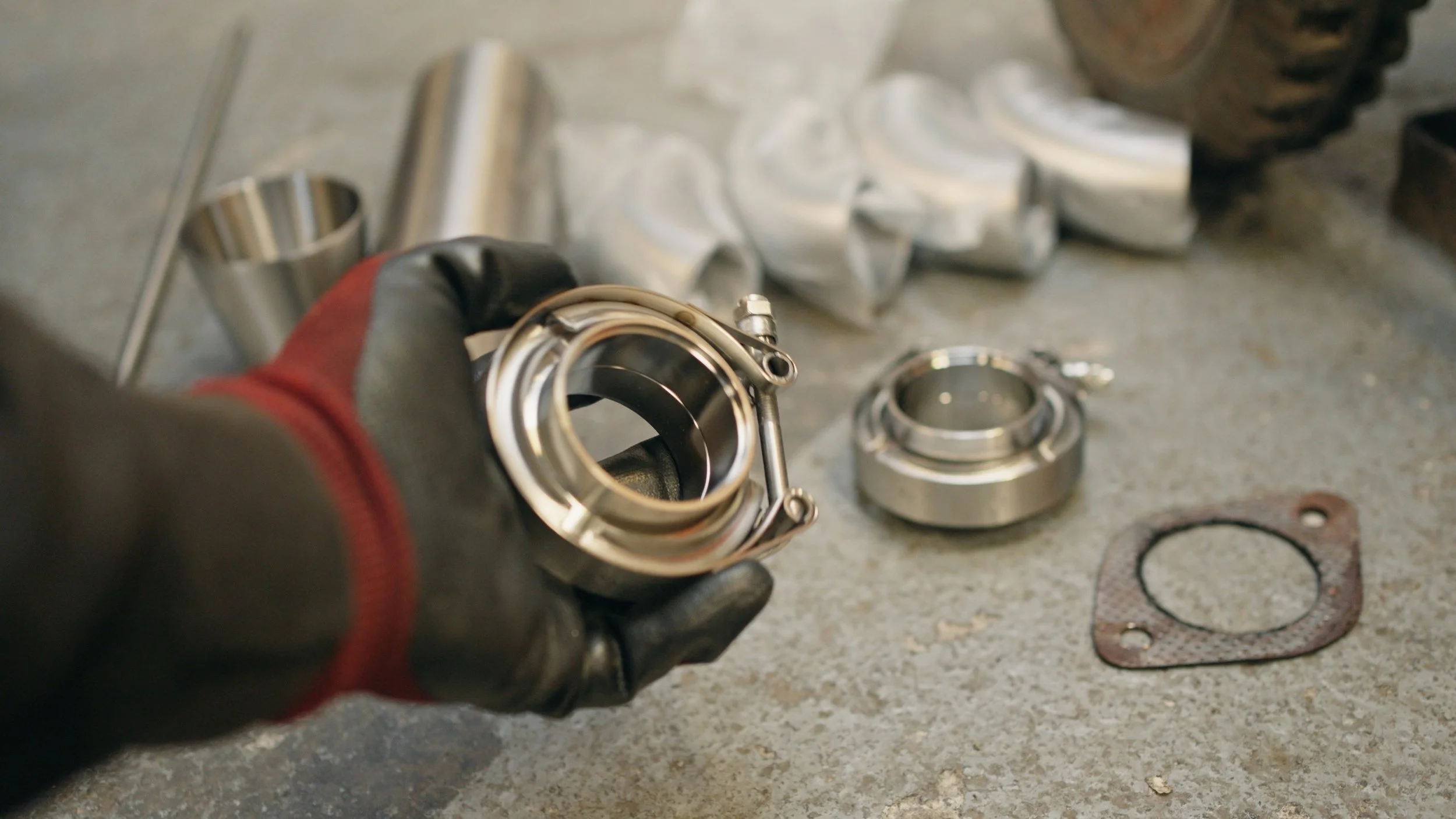
After many years, and many threats, I thought this was finally the time to learn to weld and make my own exhaust. I picked up a mid‑box and a set of v‑bands from Group‑D, and my local fabrication place supplied the raw pipework for a great price.
The downpipe and flexi had already been replaced not long ago, so I decided to keep those to save some money.
All in, this cat‑back setup has cost me about two hundred and ten euro. It’ll be two‑inch pipework running into a three‑inch turndown rear section, exiting just ahead of the right‑rear wheel in a sort of ‘truck’ style. It should sound a bit more purposeful, tidy up what’s left of the original system, and, hopefully, be the start of me actually learning how to weld properly.
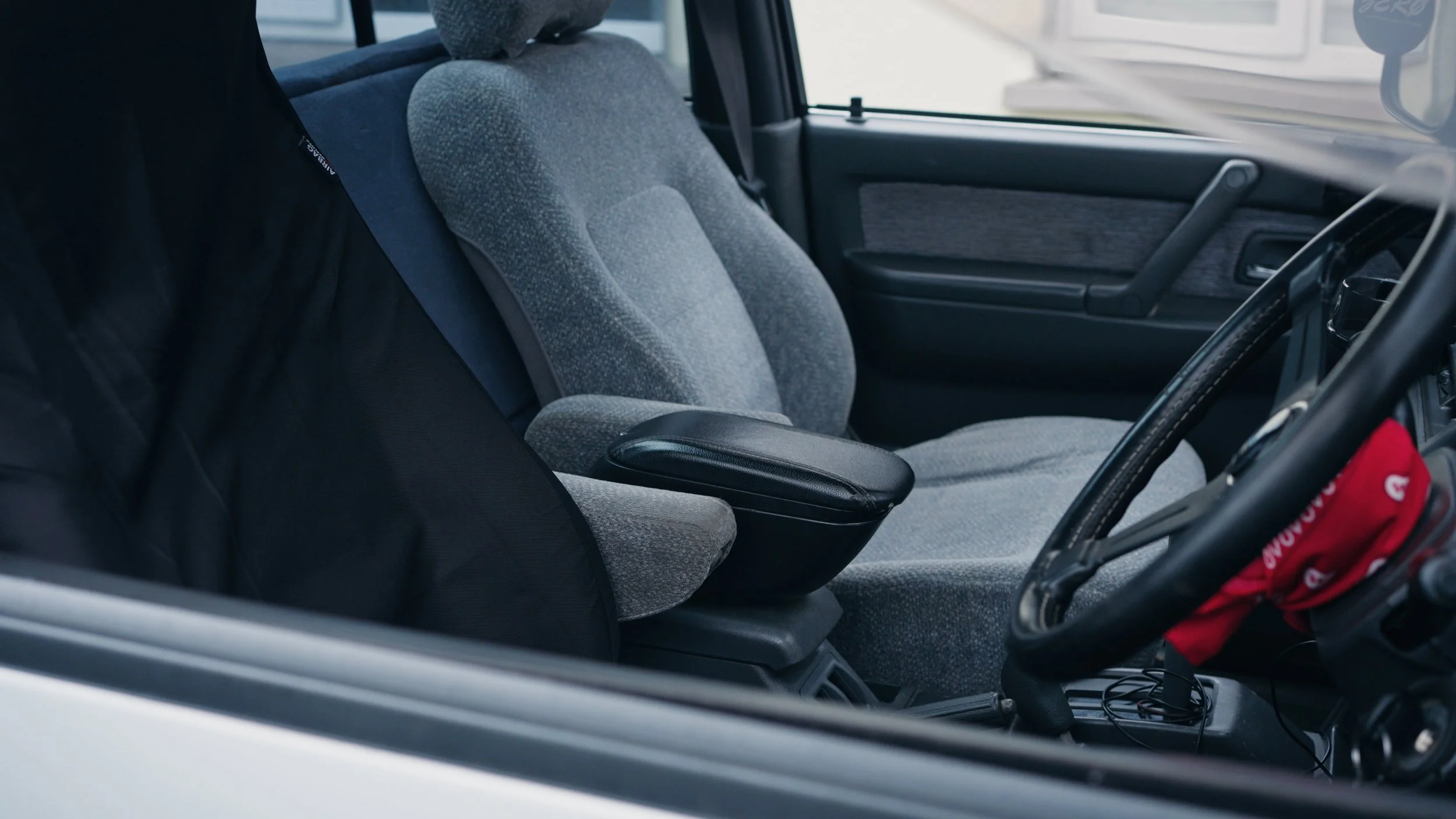
Comfort has crept up the priority list too. The seats that I initially picked up for the jeep were from a three-door Pajero — they were available and for a good price, they did the job, but they didn’t have armrests. After driving Brian’s Pajero a few times, I realised just how much I liked them and wanted them in my own. This sounds like a weird case of Pajero snobbery but if you've driven one with armrests you'll know what I referring to. A set of five-door seats popped up in Carlow for one hundred and fifty euro on Facebook. They needed a serious clean, but there were no rips, no burns — just dust and grime. A couple of hours with some cleaner and a wet vac, and they were ready for a second life.
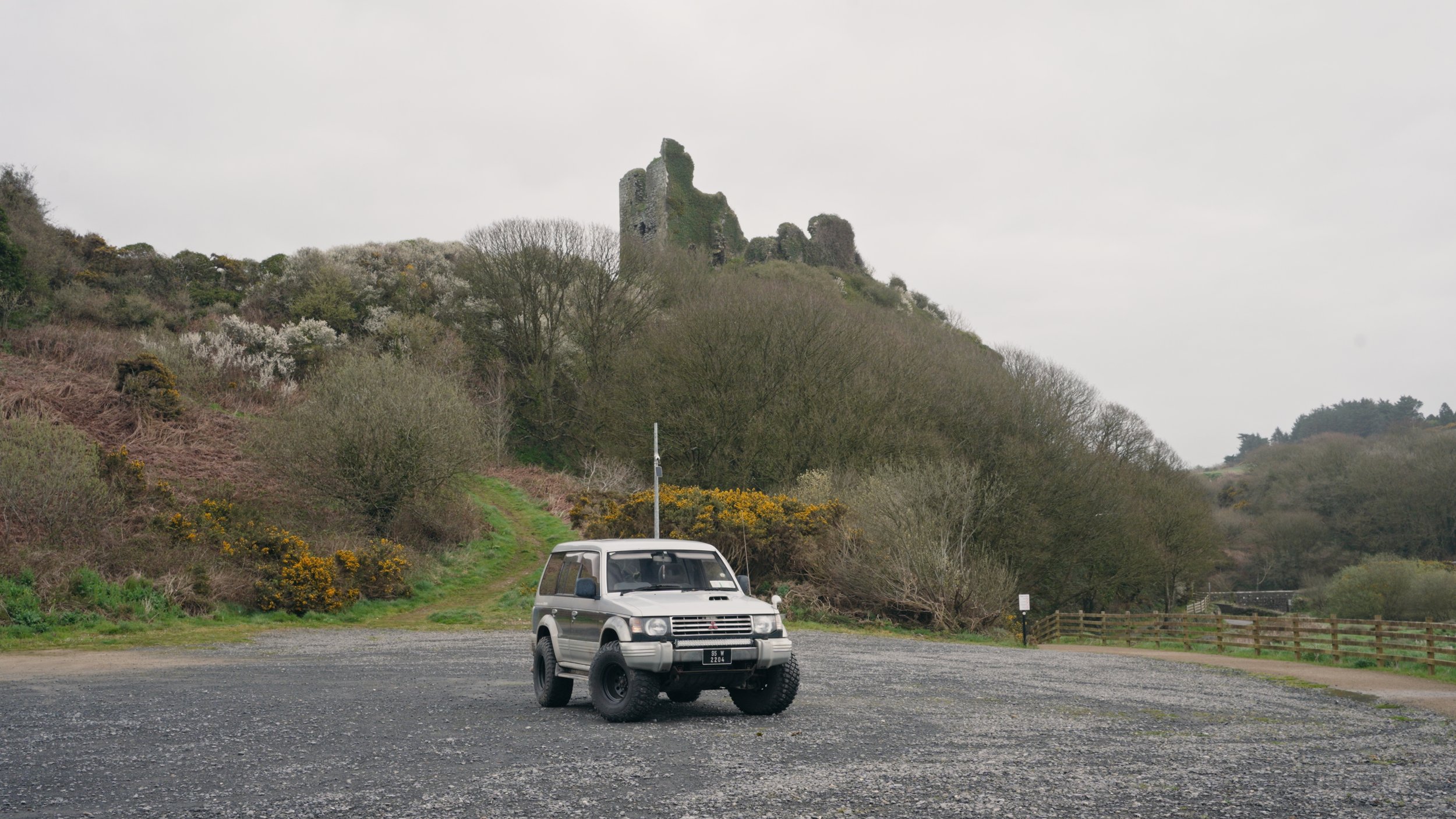
Of course, it hasn’t all been plain sailing. When it came time for the NCT, the Pajero managed to fail on both the steering wheel and the wheels themselves — the exact same setup it had passed with back in September. No explanation. No clear reason why. Just a fail dangerous sticker on the window for the wheels sticking out past the bodywork by an inch. Thanks lads, really appreciate the due diligence this time round. It’s frustrating, especially when you’ve done everything right and the car hasn’t changed. But at this stage, I’ve learned not to let it get to me. The following week it went back through with a borrowed steering wheel from Brian and some borrowed wheels from another.
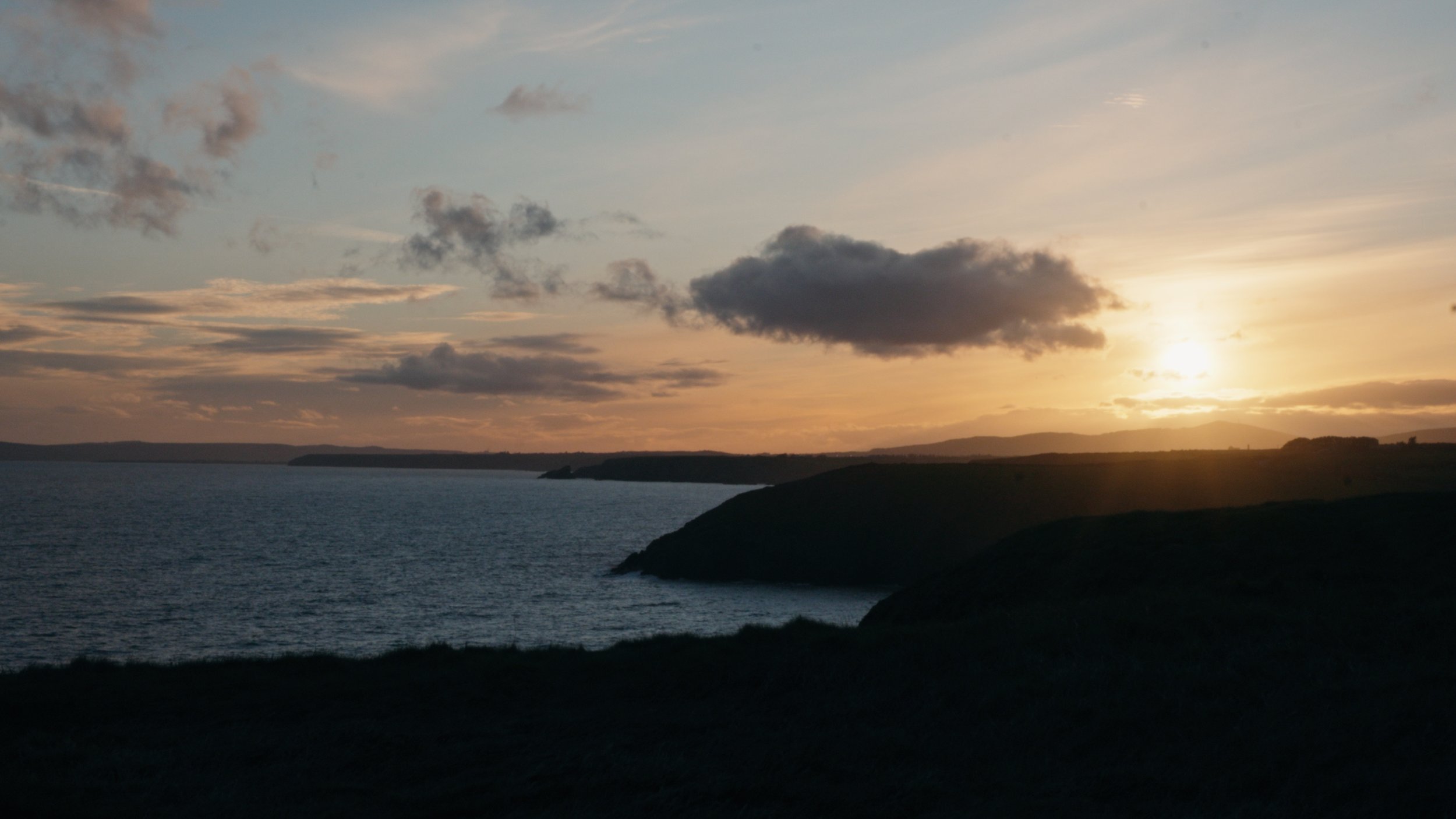
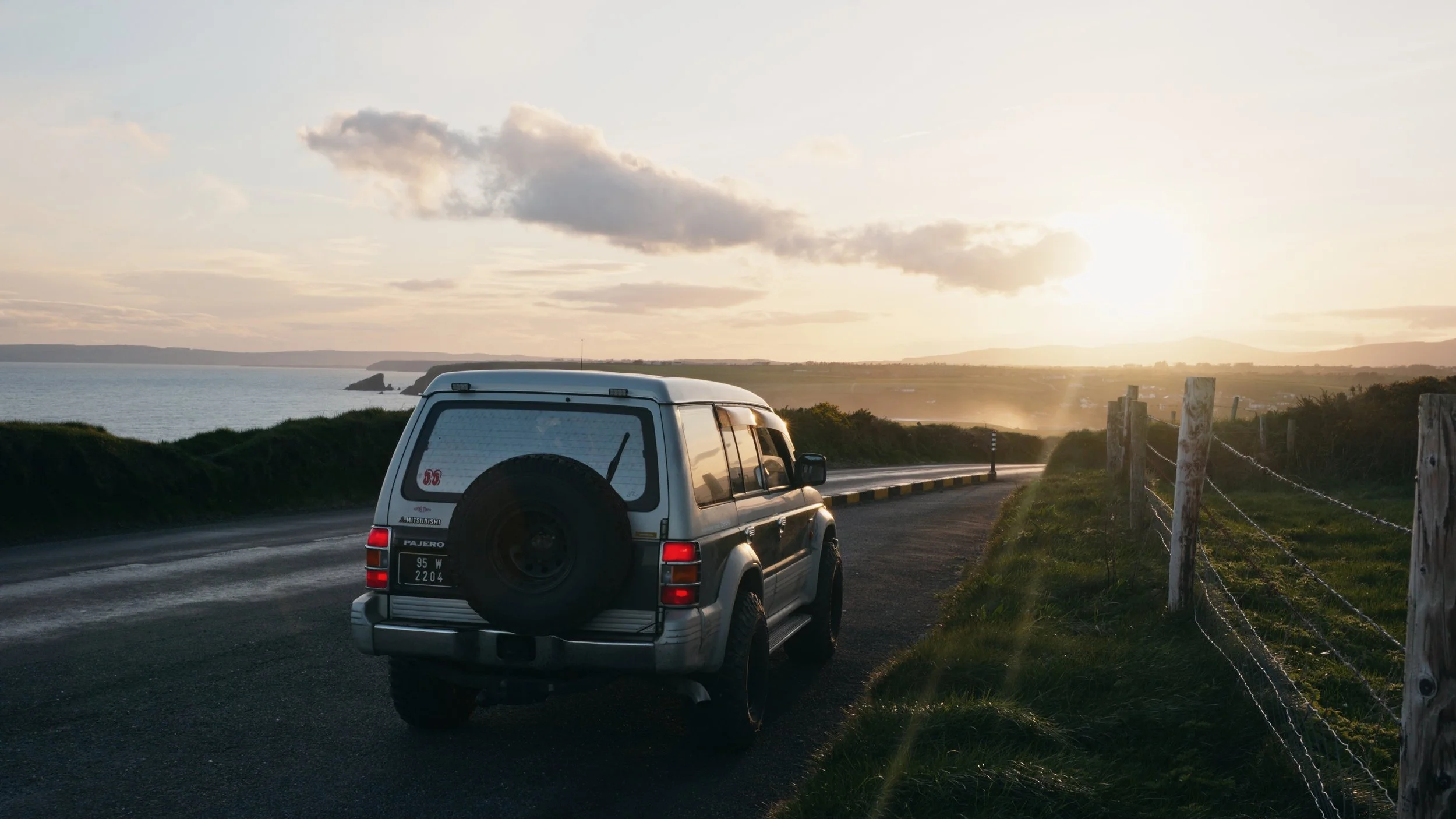
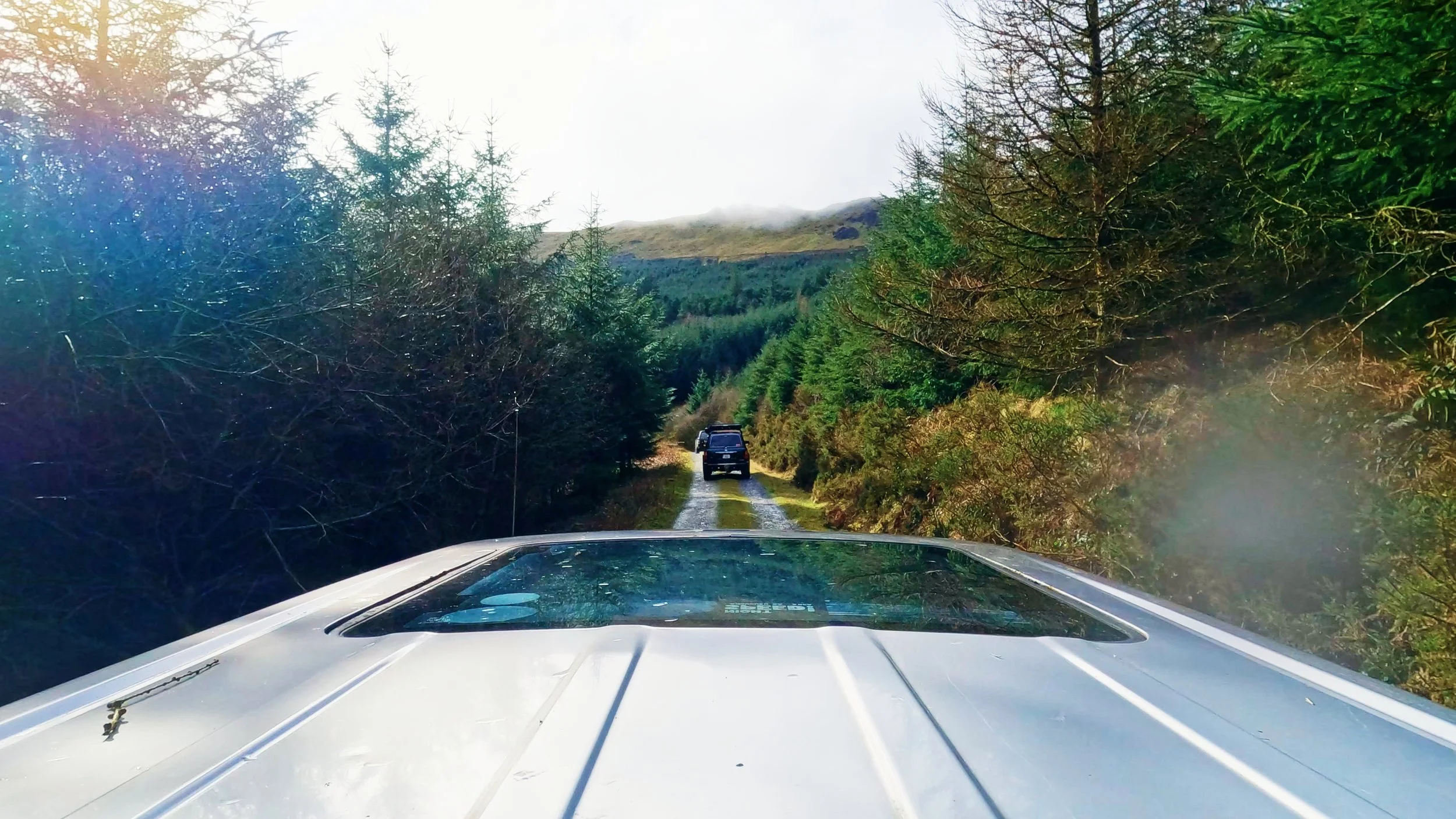
The last few months has been nothing but rain. Proper, relentless, Irish rain. 50 continuous days at one point. But honestly — the Pajero has been perfect for it. Flooded backroads, slick mountain trails, even the odd commute to work when everything else in the shed just feels like too much effort. It’s one of those machines that makes bad weather truly enjoyable. You just stick it in drive and go wherever you need to.
I think that’s what I’ve come to appreciate most about this thing. It’s sheer versatility. Comfortable doing the hard work, but still rewarding when you’re just cruising home after a long day. It’s not precious. And it’s not trying to be more than it is. And that’s kind of why it fits my life so well.
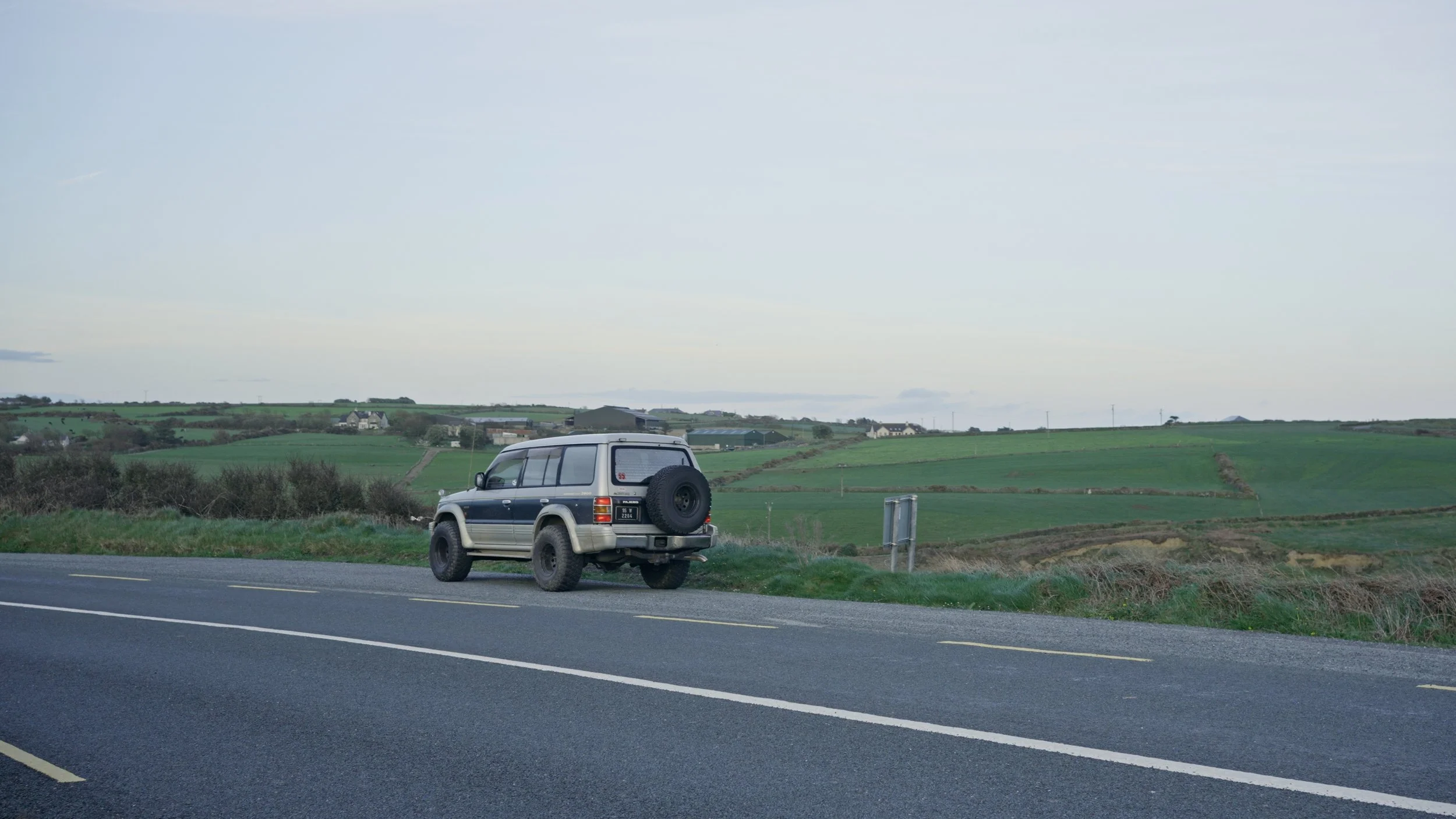
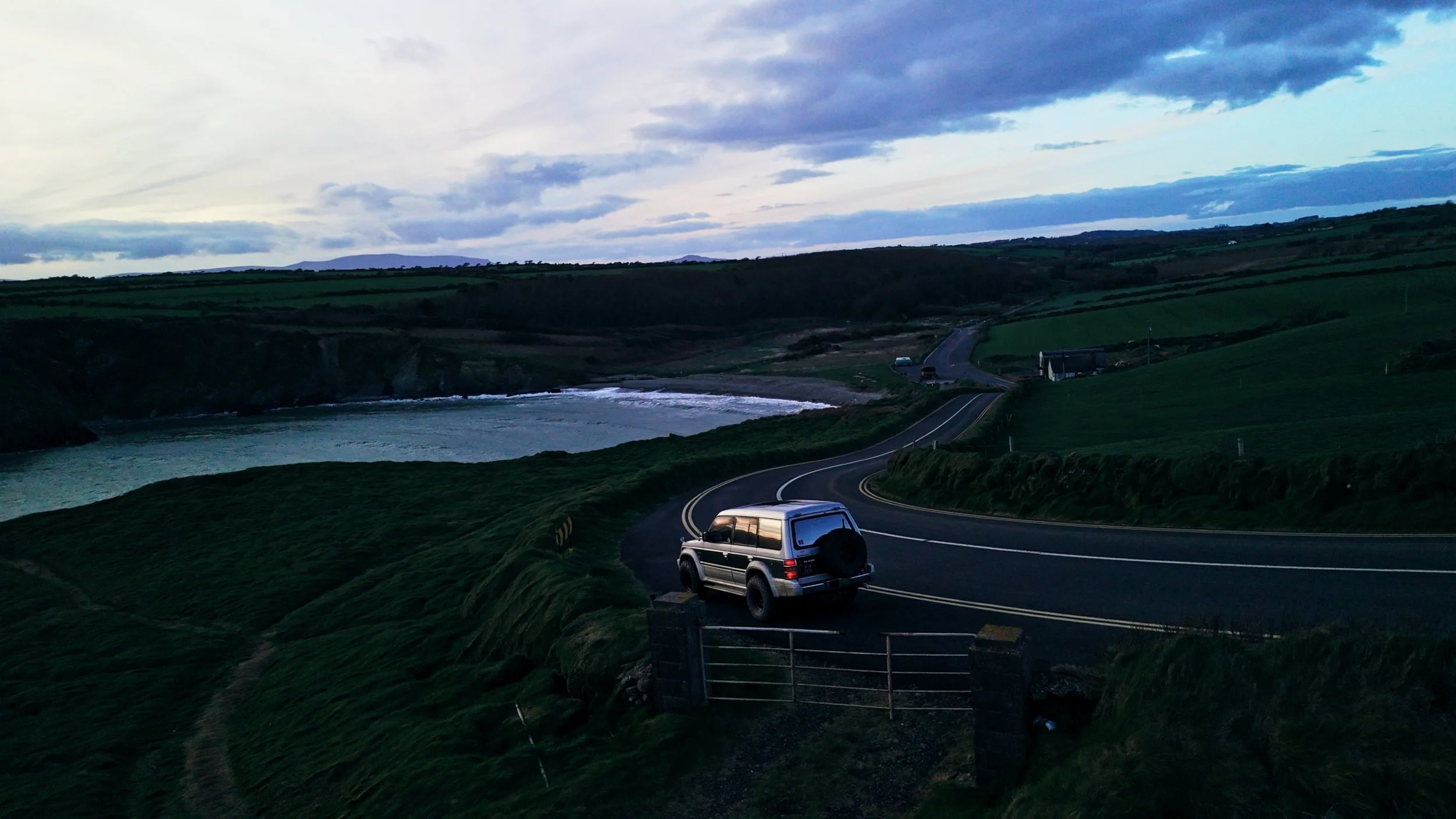
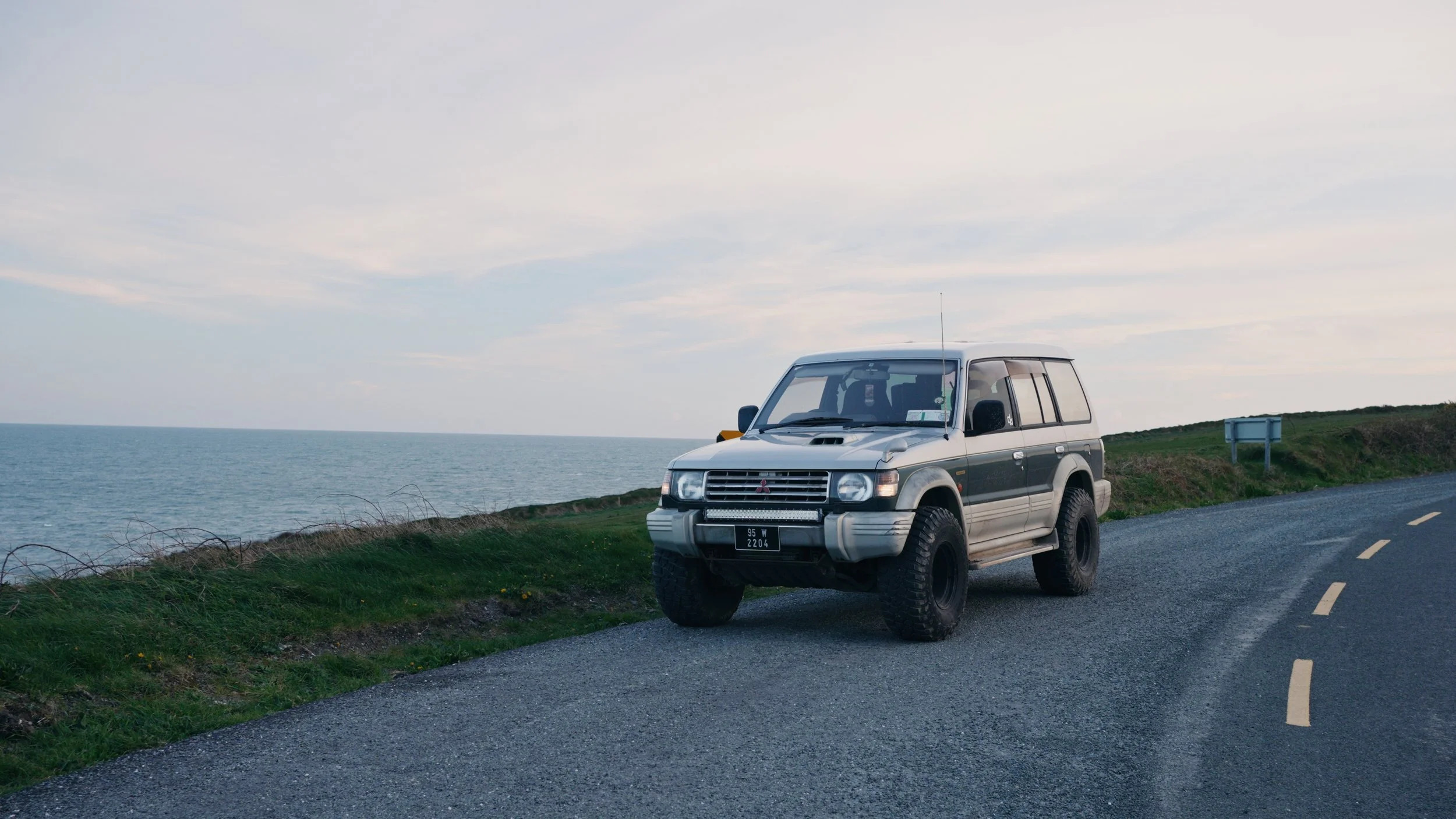
Another three thousand kilometres. More mileage, more weather, more use. It’s not a project anymore. It’s just reliable, capable, and full of incredible amounts of character. Big thanks again to Brian at Old Timer Automotive for keeping it sharp, Dave for the trailer and anyone else whos pitched in here and there. The Pajero’s proving itself all the time — and I’ve got a feeling the next few thousand kilometres will be just as good.
Thanks for watchin'.
Mind Yourself.
